

Last updated November 18, 2026








Free written scope consultation - allowances, timeline, and change-order rules on paper before a single trade is scheduled
Kitchen Remodeling Maintenance Schedule: What to Do and When
Silicone caulk at the joint where your backsplash meets the counter has a working life of about 18 to 24 months before it starts letting moisture past. Most homeowners don’t touch it until the drywall behind it is soft and stained. That gap between when a seal fails and when you notice it is where remodel money quietly disappears. A kitchen is not a finished product you install and forget. It’s a set of materials on a maintenance clock that starts the day the crew packs up. This guide maps that clock month by month, so a $40,000 Oakland kitchen still looks like a $40,000 kitchen at year five.
Quick Answer
Check cabinet hardware and appliance leveling at 30 days, reseal grout and inspect caulk joints at 6 months, and lubricate drawer slides and replace the range hood filter at 12 months. After the first year, repeat the six-month and twelve-month tasks on a fixed calendar. The tasks that protect your written warranty are the caulk and grout work and any manufacturer-registered product care; the rest, like polishing cabinet faces and tightening hinges, is optional upkeep that extends material life.
Styles & brands we work with
- Kitchen remodeling
- Bathroom remodeling
- Home additions & ADU
- Roofing
- Windows & doors
- Driveway & pavers
- Fence
Table of Contents
- The First-Year Calendar: 30, 6, and 12 Months
- Maintenance That Protects Your Warranty vs. Maintenance That’s Optional
- Cabinet Finish Care by Material: Painted, Stained, and Thermofoil
- How Oakland’s Marine Layer and Micro-Movements Change the Schedule
- Countertops, Backsplash, and Sink Seals
- Building a Written Maintenance Log That Holds Up
- Seasonal Tasks for the Long Haul
The First-Year Calendar: 30, 6, and 12 Months
The first year is when your kitchen settles. Wood moves as it adjusts to indoor humidity, appliances shift slightly on their feet, and caulk that looked perfect at handoff begins its slow cure-and-shrink. Miss the first three service intervals and you’ll spend year two fixing things that a ten-minute check would have caught.
Here’s the schedule we hand homeowners at project close, and the one we recommend whether Penhallow did the work or not:
- Day 30 – cabinet hardware torque and appliance leveling. Open every door and drawer and check each screw. Hinges and pulls loosen as wood acclimates. Re-level the fridge and range so doors close on their own and the range sits flat for even heating.
- Month 6 – grout seal and caulk joints. Test grout in the splash zone by dripping water on it; if it darkens and soaks in, it needs resealing. Inspect every caulk line at the backsplash-to-counter joint and around the sink for gaps or peeling.
- Month 12 – drawer slide lubrication and range hood filter. Wipe slides with a dry cloth and apply a light silicone lubricant (not oil, which attracts grit). Replace or wash the range hood filter depending on type; grease-loaded filters cut airflow and let odors linger.
In our experience, the 30-day check catches 90 percent of the small issues before they become service calls. It’s also the easiest interval to skip, because nothing looks broken yet.
Maintenance That Protects Your Warranty vs. Maintenance That’s Optional
Not all upkeep is equal. Some tasks keep your coverage intact, and some simply make materials last longer. Knowing which is which matters when you file a claim.
- Protects your warranty: keeping caulk and grout sealed so water can’t reach the substrate behind tile, registering and following manufacturer care for countertops and cabinets, and not using abrasive cleaners that void finish warranties. If water damage traces back to a failed seal you never maintained, that’s usually on the homeowner, not the installer.
- Optional but extends life: polishing cabinet faces, tightening hinges that aren’t loose, replacing under-cabinet bulbs, and re-caulking a decorative seam that’s still holding. None of these affect coverage, but they stretch how long materials look new.
This is where a written guarantee earns its keep. Our Kitchen Remodeling in Oakland work comes with the 365-Day Done Right Promise: if something we installed fails in the first year, we come back and fix it at no charge. The flip side is that the promise depends on you doing the seal maintenance that keeps water out. We put both obligations in writing so there’s no argument later about who owned which problem.
Cabinet Finish Care by Material: Painted, Stained, and Thermofoil
Most homeowners clean every cabinet the same way, and that’s how finishes get ruined. Painted, stained, and thermofoil fronts each have different rules, and using the wrong cleaner on the wrong surface can dull, cloud, or peel it.
Painted cabinets (common with the KraftMaid and Wellborn lines we install) want a soft, damp cloth and mild dish soap. Skip anything abrasive, and don’t scrub. Touch-up paint handles small chips; deep cracks at joints are worth a call.
Stained wood cabinets have a clear topcoat over the stain. Wipe with a damp cloth and dry immediately. Avoid oil-based polishes that build up and attract dust, and keep water from sitting on seams, where it lifts the finish.
Thermofoil cabinets are a vinyl wrap over a core. Heat is the enemy: don’t put a dishwasher or oven right against a thermofoil panel without checking clearance, and never use a steamer or hot rag. A damp cloth and gentle cleaner is the whole routine. Peeling at edges is a defect, not a cleaning problem, so document it and call it in.
In Oakland homes we remodel, painted and stained tend to dominate. If your kitchen leans thermofoil on the uppers, take extra care near the range – that’s where heat damage shows up first.
How Oakland’s Marine Layer and Micro-Movements Change the Schedule
Oakland’s climate is not inland California’s climate, and the maintenance calendar should reflect that. The marine layer pushes cool, damp air through neighborhoods like Rockridge, Temescal, and the flatlands near Lake Merritt for much of the year. That steady humidity accelerates caulk failure and makes grout more prone to holding moisture. Homes up in the hills see more temperature swing, which works wood harder.
We also live on fault lines. The constant micro-movements that come with that don’t crack foundations, but they do open hairline gaps at seams over time – between counter and backsplash, around window trim, at cabinet-to-wall joints. Those gaps are exactly where water and pests get in.
Practical adjustments for an Oakland kitchen:
- Shorten the grout reseal interval to every 12 months in the damp flatlands and near the water; inland-schedule advice of every 18 to 24 months is too relaxed here.
- Check caulk joints at 6 months, not 12, and re-inspect after any noticeable tremor.
- Run the range hood and bath fans to move humid air out, especially in winter when windows stay shut.
- Keep an eye on seams at exterior-adjacent walls, where the marine layer does the most work.
This is the local knowledge that a generic national checklist misses. A kitchen built for Oakland needs an Oakland maintenance rhythm.
Countertops, Backsplash, and Sink Seals
The horizontal surfaces take the most abuse and hide the most damage. Here’s the routine by material, using the brands we install most.
- Quartz (Cambria, Silestone, Caesarstone): wipe daily with mild soap and water. Quartz is non-porous, so it doesn’t need sealing, but it can be damaged by heat – always use a trivet. Avoid harsh chemicals that dull the finish.
- Natural stone: reseal every 12 months; test by dripping water and watching for absorption. Use a stone-safe cleaner, never vinegar or citrus.
- Backsplash tile and grout: reseal grout annually in Oakland’s humidity, and inspect the caulk at the counter joint every 6 months.
- Sink seals (Kohler, Moen, Blanco): check the caulk ring around the sink rim and the seal under the faucet base. A failing rim seal is the most common source of cabinet-floor water damage we see on callbacks.
If any of this starts to feel like guesswork, our General Contractor in Oakland team can walk the kitchen with you and tell you what genuinely needs attention and what can wait.
Building a Written Maintenance Log That Holds Up
A maintenance log is a simple document that does two jobs: it reminds you what’s due, and it proves you took care of the kitchen. That proof matters when you file a warranty claim or sell the home. Here’s how to build one that a future buyer or adjuster will actually trust.
- Start with a plain page or spreadsheet with columns for date, task, product used, and who did it.
- Log every seal and reseal – caulk, grout, stone – with the product name and date. This is the record that defends a warranty claim.
- Note appliance and cabinet brand service dates for anything under a manufacturer warranty.
- Keep receipts and product labels in the same folder, digital or paper.
- Review it at each 6-month and 12-month interval and update as you go, not in a panic later.
When a kitchen sells, a clear service record reads as a well-kept home and supports the asking price. When water damage happens, it shows you maintained the seals. Either way, the log pays for itself. For major projects where the log needs to align with a written service record, our Bathroom Remodeling in Oakland and full remodel agreements both document the same way.
Seasonal Tasks for the Long Haul
After year one, the schedule compresses into a twice-a-year rhythm. Spring and fall are the natural checkpoints.
- Spring: reseal grout and stone, inspect caulk after the wet season, clean the range hood filter, check under-sink for moisture.
- Fall: lubricate drawer slides and hinges, tighten hardware, check appliance leveling before heavy holiday use, test smoke and CO detectors in and near the kitchen.
- Every 5 years: budget for a full reseal and a professional look at any tile or substrate showing wear.
We install James Hardie and quality cabinetry because those materials reward good upkeep. The maintenance is what unlocks the value, and it’s the part most homeowners never get told. When you evaluate who builds your kitchen, weigh the maintenance guidance as part of the package. Our Penhallow Remodeling Oakland home page explains how the written price and the written guarantee work together on every job.
Common Mistakes to Avoid
- Skipping the 30-day check. New kitchens settle, and loose hardware and off-level appliances are easiest to fix right away. Waiting until something breaks costs more.
- Using the wrong cleaner on the wrong cabinet. Heating a thermofoil panel or scrubbing a painted door with an abrasive dulls or peels the finish permanently.
- Treating caulk as permanent. It lasts 18 to 24 months. In Oakland’s marine layer, plan on resealing sooner, not later.
- Ignoring the sink rim seal. A failing seal around the rim quietly rots the cabinet floor; check it every 6 months.
- Not resealing grout in damp neighborhoods. Rockridge, Temescal, and the flats near the lake are humid enough to need an annual reseal, not the inland every-18-months advice.
- Dismissing tremor gaps. Hairline seams after micro-movements let moisture in; inspect and re-caulk instead of painting over them.
- No written log. Without records, a warranty claim becomes your word against the installer’s, and a home sale loses a credible service history.
See the difference
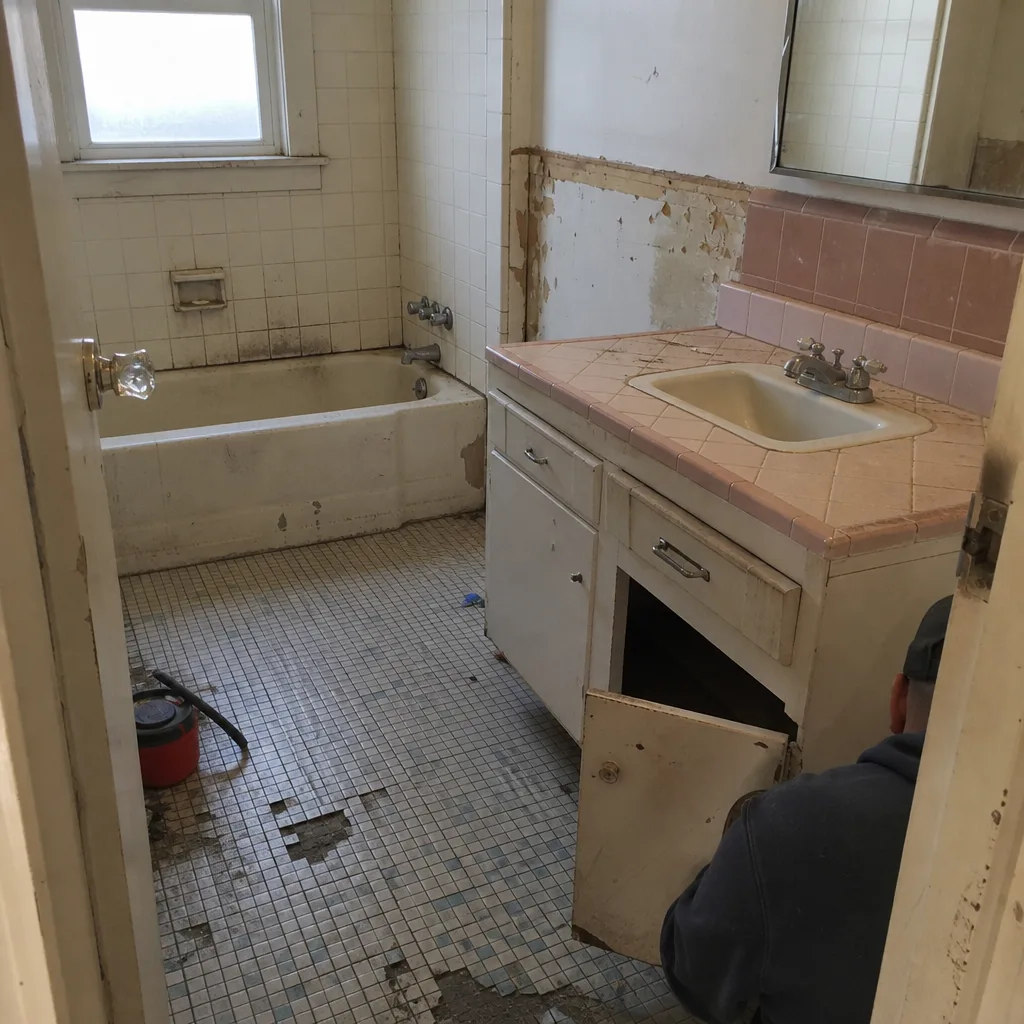 Before
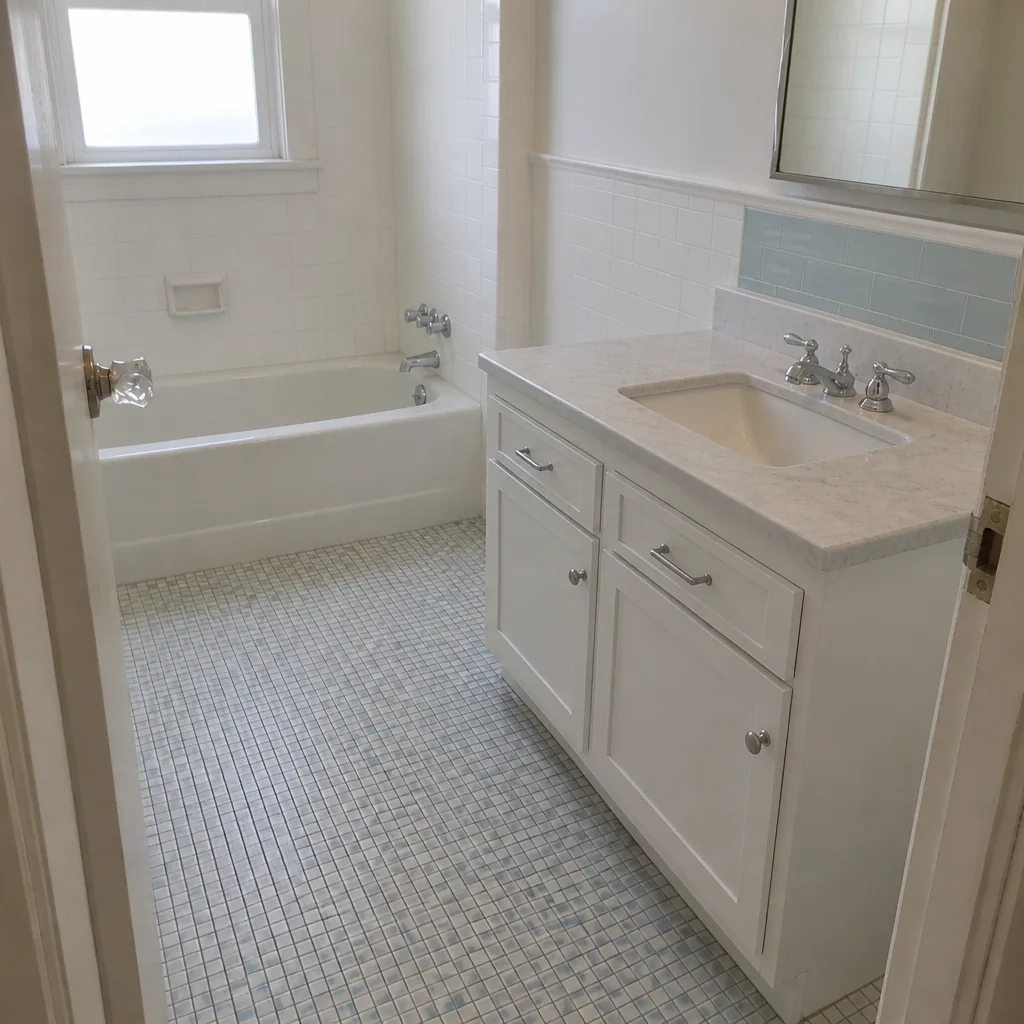 After
 Before
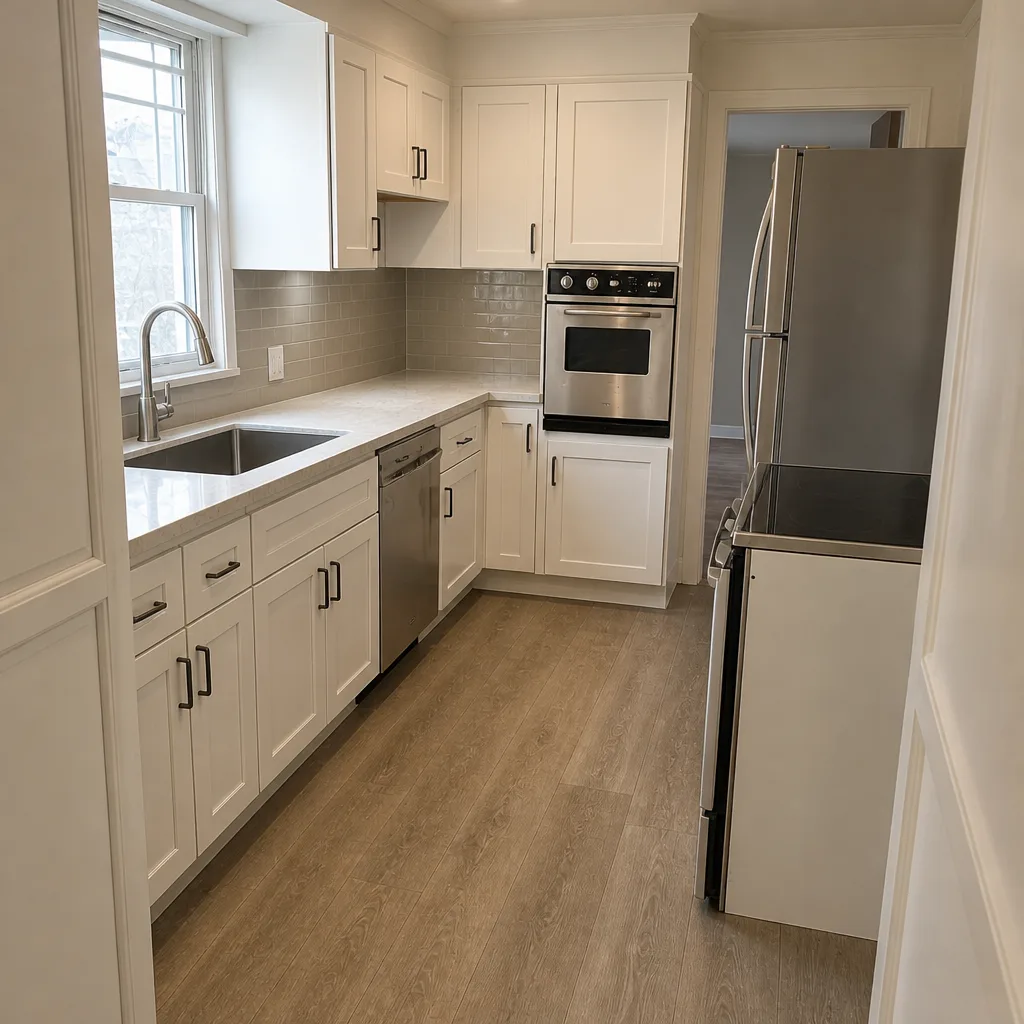 After
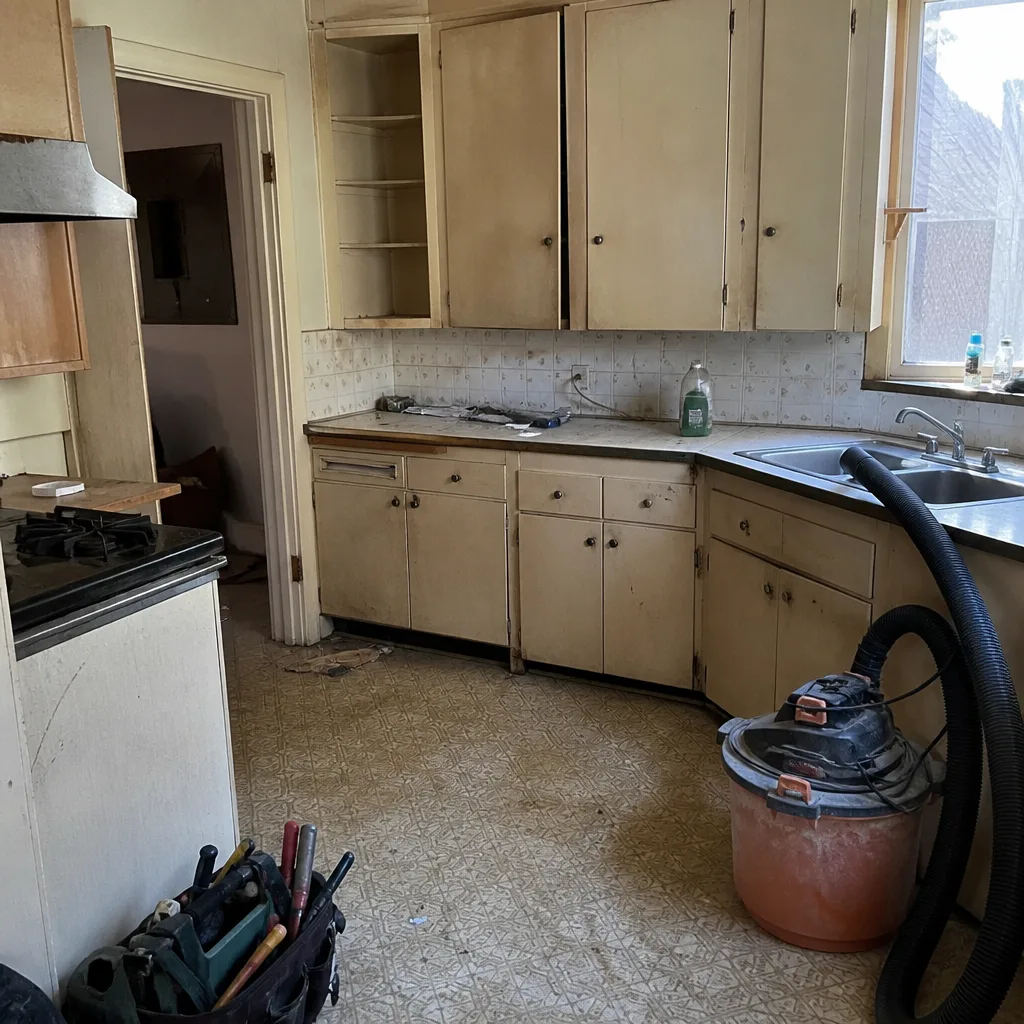 Before
 After
When to Call a Professional
Most of this schedule is homeowner work. Some of it isn’t. Call a professional if you see soft or stained drywall behind the backsplash, water pooling under the sink or at a cabinet base, tile that has lifted or cracked, or a caulk failure that keeps returning in the same spot – that usually signals a substrate problem, not a caulk problem. Also call if cabinet doors are out of alignment beyond a simple hinge adjustment, or if anything under a written guarantee is failing. Penhallow Remodeling Oakland offers free estimates in Oakland – call (888) 403-1237. Every quote comes as a written price before any work starts, backed by the 365-Day Done Right Promise, so the number on day one is the number on the invoice.
Frequently Asked Questions

Silicone caulk at the backsplash-to-counter joint should be inspected every 6 months and replaced every 18 to 24 months. In Oakland’s marine layer, plan on the shorter end because the humidity speeds failure. Call (888) 403-1237 for a free estimate if a seal keeps failing in the same spot.
No. Quartz from Cambria, Silestone, and Caesarstone is non-porous and doesn’t need sealing, but it does need a trivet – heat is what damages it. Natural stone like granite does need resealing every 12 months. Call (888) 403-1237 to talk through what your counters need.
Failed caulk or grout seals that lead to water damage are usually the homeowner’s responsibility, not an installation defect, so maintaining seals is what keeps your coverage intact. The 365-Day Done Right Promise covers our work, and we put both sides of that in writing. Call (888) 403-1237 for the details.
Painted cabinets take a soft damp cloth and mild dish soap with no abrasives, while stained wood takes a damp cloth dried immediately and no oil-based polish. Thermofoil needs the gentlest treatment of all because heat damages it. Call (888) 403-1237 if you want us to check a finish that’s peeling.
Yes. Marine-layer humidity in neighborhoods like Rockridge and Temescal speeds caulk and grout failure, and fault-line micro-movements open hairline seams, so reseal grout annually and inspect caulk every 6 months rather than following inland advice. Call (888) 403-1237 for a free estimate on any repair.
At 30 days, check cabinet hardware torque and appliance leveling, since wood and appliances settle first. Then plan the 6-month grout and caulk inspection. Call (888) 403-1237 if anything feels loose or off.
The Bottom Line
A renovated kitchen is a maintenance commitment, not a one-time purchase. The clock starts the day the job ends: hardware and leveling at 30 days, grout and caulk at 6 months, drawer slides and hood filter at 12, then a spring-and-fall rhythm for the long haul. Some of that work protects your warranty and some just extends the life of your materials, but both are what keep a $40,000 kitchen looking like one. In Oakland, the marine layer and micro-movements make the schedule a little tighter than inland advice suggests. Keep a written log, reseal on time, and know what’s a homeowner task versus a professional one. The payoff is a kitchen that ages well and a service record that stands up when it counts.
Ready to plan or protect your kitchen? Call Penhallow Remodeling Oakland at (888) 403-1237 to schedule your free estimate.
Written by the team at Penhallow Remodeling Oakland.