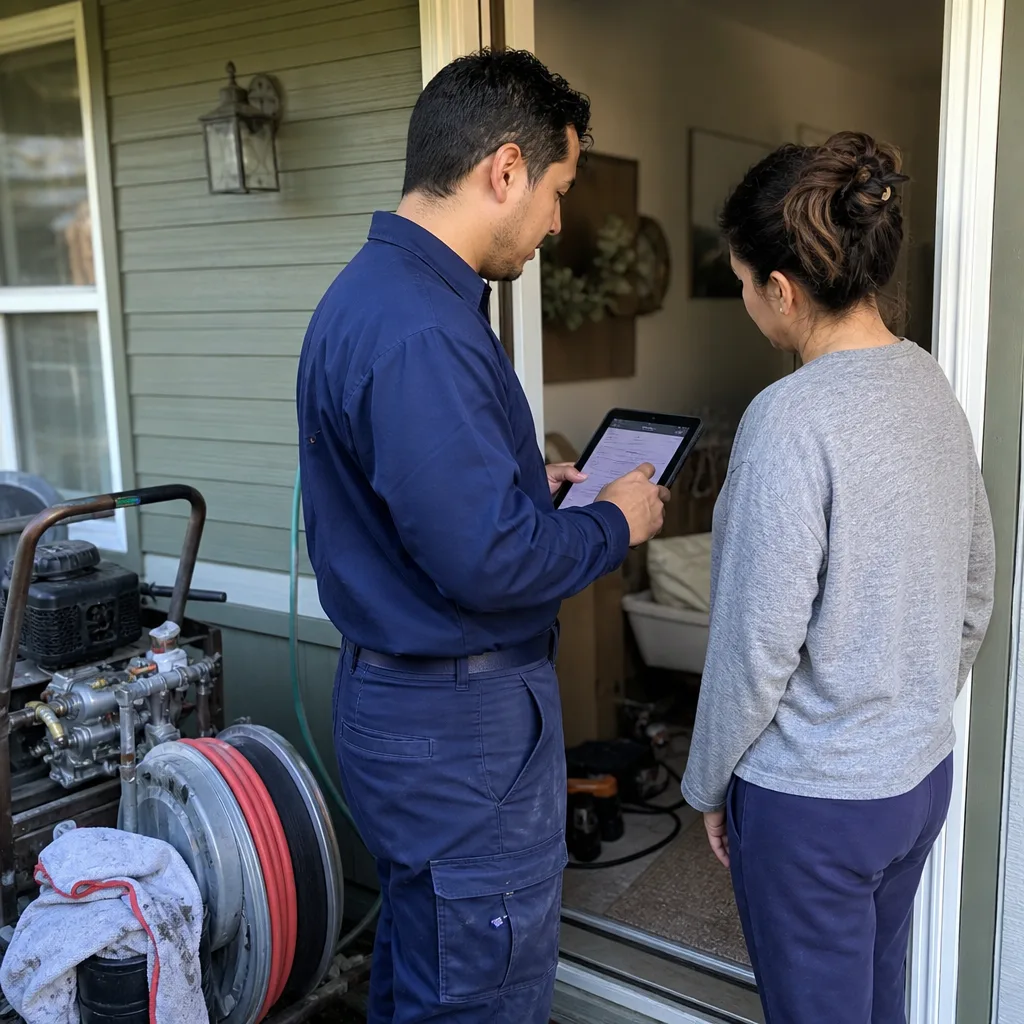
Last updated November 18, 2026


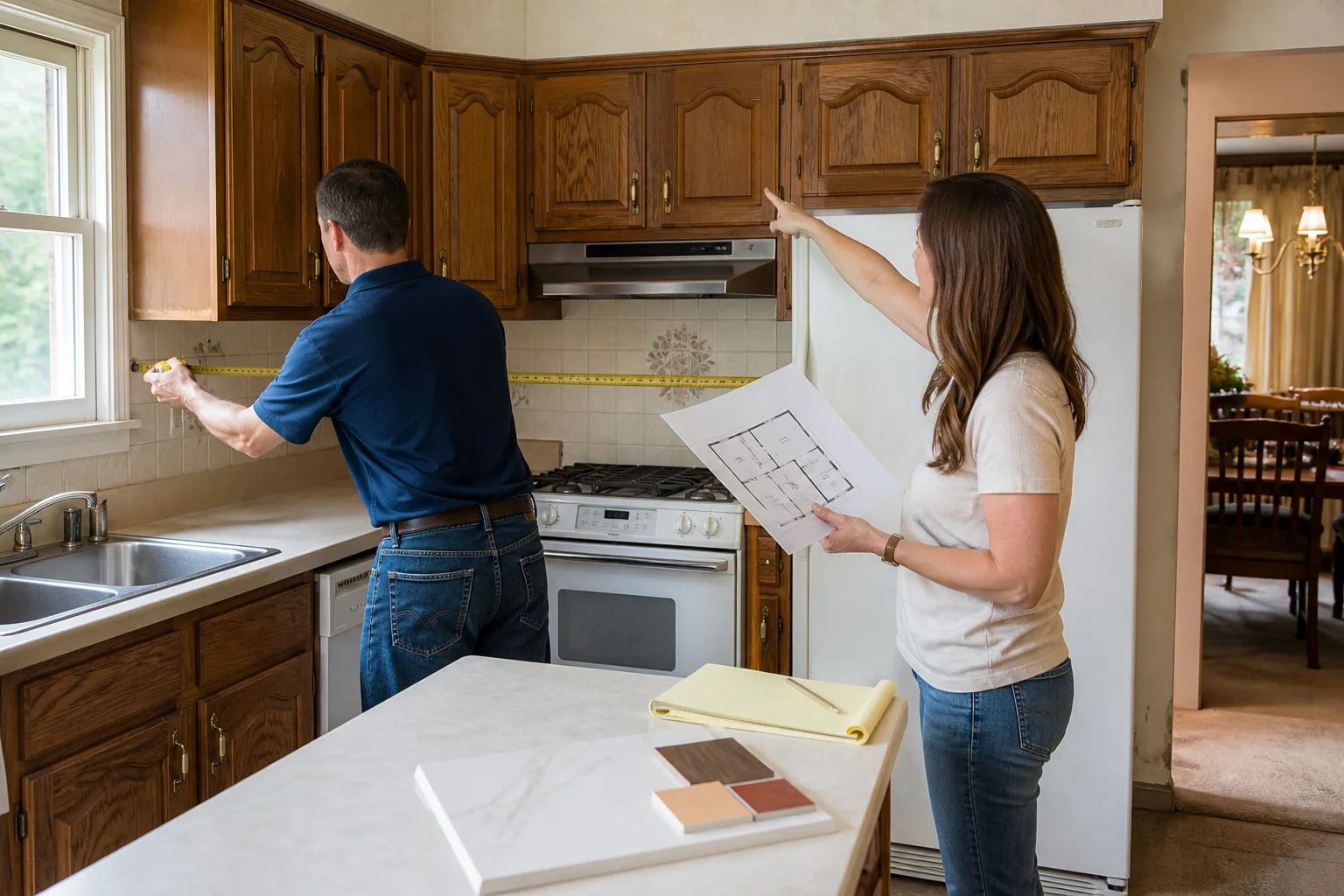
Free written scope consultation - allowances, timeline, and change-order rules on paper before a single trade is scheduled
DIY vs Professional Bathroom Remodeling: What’s Safe to Do Yourself
You can legally paint your bathroom, swap a vanity light fixture with the breaker off, and replace a toilet yourself in California. But the moment you move a drain line or add a circuit, you’re in permit-required, licensed-trade territory, and your homeowner’s insurance is paying attention. That’s the line this guide draws, honestly, without cheerleading for either side. Bathrooms pack more permit-triggering work into 40 square feet than any other room in the house, which is exactly why the cost of an amateur mistake climbs so fast. We’ve walked into enough Oakland bathrooms halfway through a stalled DIY job to know where the real boundaries sit, and we’ll show you which tasks you can own and which ones belong to a licensed pro.
Quick Answer
In California, painting, hardware swaps, mirror hanging, caulk refresh, and direct replacement of a toilet or light fixture (same location, same amperage, power off) are generally safe DIY bathroom tasks. Anything that moves plumbing supply or drain lines, adds or relocates an electrical circuit, installs a shower pan, or changes the room’s footprint requires a permit and licensed trades. Tile and waterproofing can be DIY but fail most often at the shower pan and backer board stage, which is where a professional earns the fee back.
Styles & brands we work with
- Kitchen remodeling
- Bathroom remodeling
- Home additions & ADU
- Roofing
- Windows & doors
- Driveway & pavers
- Fence
Table of Contents
- The California Code Thresholds: Where DIY Ends and Licensed Work Begins
- Waterproofing: The Most Consequential DIY Risk in Any Bathroom
- Genuinely DIY-Safe Bathroom Tasks, Rated by Skill Level
- How to Structure a Partial-DIY Bathroom Project
- Unpermitted Work, Resale, and How Alameda County Buyers’ Inspectors Look at Bathrooms
- What DIY Actually Saves You (and What It Costs Later)
- Oakland-Specific Considerations: Climate, Older Housing Stock, and Code
The California Code Thresholds: Where DIY Ends and Licensed Work Begins
California gives homeowners a real right to work on their own home, but that right stops well short of the work most bathroom remodels involve. The California Plumbing Code and California Electrical Code both treat bathrooms as wet, high-risk locations, and the permit thresholds follow.
Here’s what you can legally do as the homeowner-occupant in most Alameda County jurisdictions, and what triggers a licensed contractor and a permit:
- Allowed for a homeowner (no license required): painting, replacing a toilet in the same location, swapping a light fixture or vanity fixture with matching voltage, replacing a vanity faucet, hanging a mirror, refreshing caulk and grout, and installing accessories.
- Requires a permit and licensed plumber: moving a toilet, relocating a sink or shower drain, adding a new supply line, converting a tub to a shower with a new drain assembly, or adding a second sink.
- Requires a permit and licensed electrician: adding an outlet, relocating a GFCI receptacle, installing a new exhaust fan where none existed, adding a heated floor circuit, or upgrading the bathroom’s dedicated circuit.
- Requires a permit and inspection: any tile work over a new shower pan or wet-area floor, any change to the room’s footprint, and any addition of a new fixture.
The kitchen has a similar code map. If you’re weighing a larger project, our guide to kitchen remodeling in Oakland covers the same permit terrain.
What trips up Oakland homeowners most is the GFCI requirement. Since the 2020 code cycle, bathrooms require GFCI protection on all receptacles, and any new circuit in a wet location requires it too. If you’re unsure whether your existing outlet is protected, a licensed electrician is the only person who can confirm it and sign off. The stakes here are genuinely not worth a shortcut: electrical work in a wet room carries shock and fire risk, and a permit that doesn’t exist will surface at resale.
Waterproofing: The Most Consequential DIY Risk in Any Bathroom
Waterproofing is where amateur bathroom remodels fail most often, and where failure is most expensive. A shower pan that leaks slowly can rot the subfloor and framing behind it before you ever see a stain. By the time you notice water coming through the kitchen ceiling in Oakland’s Rockridge or Temescal bungalows, you’re often looking at a $6,000 to $15,000 repair instead of a $400 fix.
The sequence itself is unforgiving:
- Substrate. Cement board (a moisture-resistant board that goes behind the tile) or a bonded waterproof membrane goes over the framing and drywall. Plywood or standard drywall in a shower is a fast path to mold.
- Shower pan. The pre-slope, liner, and mortar bed have to drain toward the weep holes by fractions of an inch. Get the slope wrong and water pools under the tile.
- Waterproofing membrane. Whether you use a liquid-applied membrane or a sheet membrane over cement board, coverage and thickness are specified by the manufacturer. Skimpy application is the most common DIY mistake.
- Flood test. Before tile goes down, the pan should hold water for 24 hours. If you skip this, you find the leak after the tile is set.
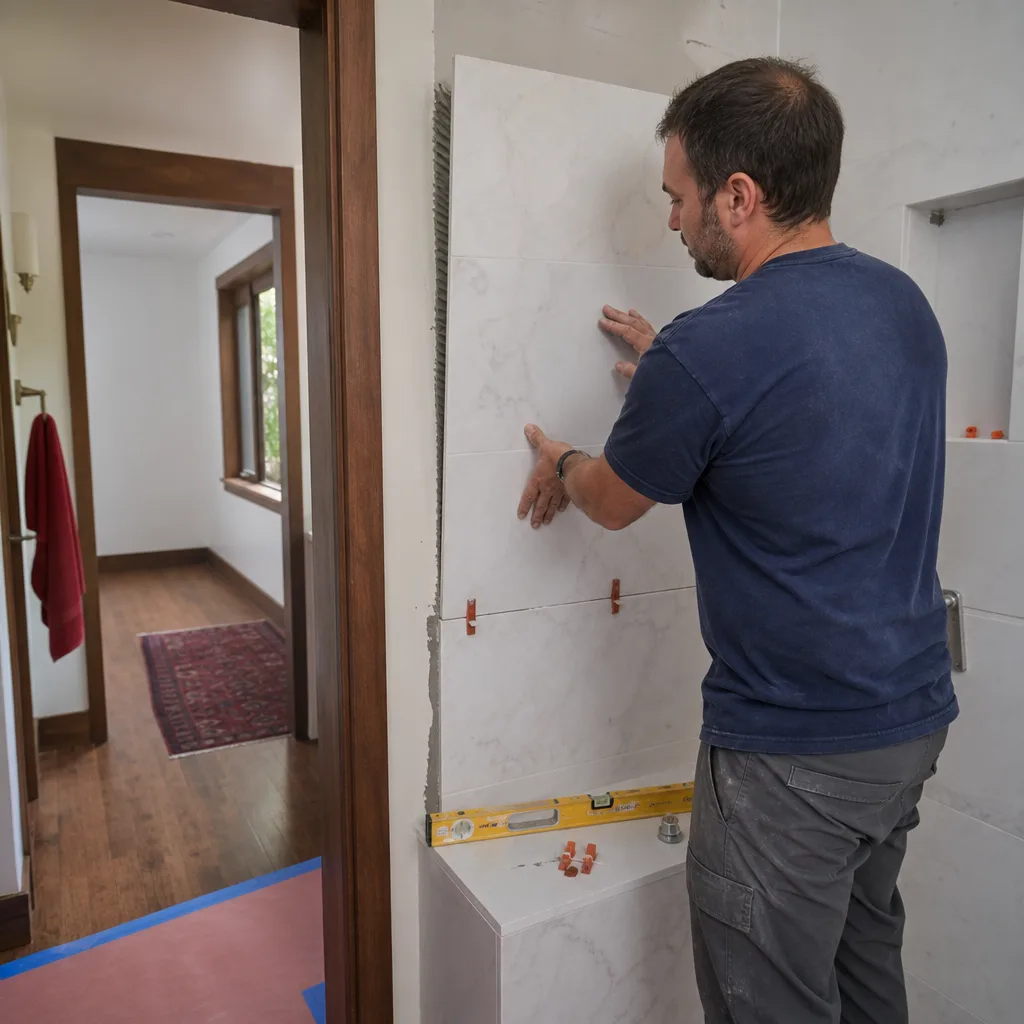
A properly waterproofed shower takes a skilled tiler one to three days just for the pan and backer board. It’s the step where we see the least patience and the highest stakes. If you’re going to hire out any single part of a DIY bathroom remodel, this is the one. A pro tiler with experience on wet areas will cost real money, but they’re the difference between a shower that lasts 25 years and one that shows mold in 18 months.
Genuinely DIY-Safe Bathroom Tasks, Rated by Skill Level
Here’s what a confident homeowner can realistically own. We rate each from 1 (beginner, under an hour) to 5 (experienced, multi-day, specialized tools).
- Paint the walls and trim (skill 1). Semi-gloss bath paint in white or a light tone. Two coats, proper prep, and ventilation. Nothing beats fresh paint for the money.
- Replace the toilet (skill 2). Direct swap, same location, same rough-in. Shut the water off first, replace the wax ring, and don’t skip the supply line.
- Swap a vanity or light fixture (skill 2). Turn the breaker off at the panel, not just the switch. Confirm what you’re taking out matches what you’re putting in on voltage and mounting. If the box or wiring looks old, stop and call a licensed electrician.
- Replace vanity faucets and showerhead (skill 2). Same fixture location, same supply connections. Wrapping threads in Teflon tape takes five minutes to learn.
- Refresh caulk and grout (skill 2). Remove the old caulk fully before recaulking. This is one of the highest-return tasks in terms of look versus cost.
- Hang a mirror, towel bars, shelves, and accessories (skill 2-3). Anchor into studs or use proper tile anchors. A mirror dropping off drywall is a $300 mistake.
Note what’s not on that list: anything that moves water or power. To swap out the toilet or faucets for Kohler or Moen fixtures, the plumbing doesn’t need to move – the fixture replaces in place. That’s the dividing line.
If your bathroom task expands to cabinet or vanity replacement, that’s a carpentry job with plumbing and electrical at the edges. Our bathroom remodeling in Oakland page walks through what a full-vanity swap involves.
How to Structure a Partial-DIY Bathroom Project
The smartest approach for many homeowners is not all-DIY or all-hire, it’s partial-DIY. You keep the jobs you’re genuinely competent at, and you hand off the permit-heavy and waterproofing work to licensed trades. Here’s how to structure it so the project doesn’t stall.
- Hire the plumbing and electrical first. Get the permits pulled and the rough-in done before you touch anything cosmetic. Doing demo before the plumber has seen the wall cavity is how DIY projects double in length.
- Do your own demo, then stop. Removing tile, fixtures, and drywall is noisy work you can absolutely handle. Haul it out yourself and save the disposal fee.
- Hand off waterproofing and tile. This is the single most consequential hire in a partial-DIY remodel. Treat the shower pan, in particular, as a licensed-trade job even if the tiler you hire is a specialist.
- Do your own paint, caulk, mirror, and accessories. All the finish work you’ve read about above. This is also where the aesthetic payoff lands.
- Have the final inspection walked through. Your permits close here. Don’t skip it – the paper trail matters at resale.
The partial-DIY model is a good fit for Oakland’s older housing stock, particularly the 1920s to 1940s bungalows where bathrooms often need a mechanical upgrade (old galvanized supply, cloth-wrapped wiring) but the cosmetic surfaces are what the homeowner wants control over.
We help Oakland homeowners scope which parts of a bathroom remodel they can safely own and which need licensed trades, with a written price before work starts. If you’d like to talk through that boundary on your own project, our team at Penhallow Remodeling Oakland provides free estimates and line-item scoping for partial-DIY plans.
Unpermitted Work, Resale, and How Alameda County Buyers’ Inspectors Look at Bathrooms
Two things happen when bathroom work is done without a permit: the county doesn’t know, and your future buyer’s inspector finds out. Both matter more than homeowners expect.
Start with insurance. Most homeowners’ policies cover sudden water damage from a failed fixture, but many exclude or reduce coverage for losses traced to work that was installed without permit or by an unlicensed contractor. If a shower pan you installed floods the hallway and the source is unpermitted work, expect a harder conversation with the adjuster.
Then resale. When a buyer’s inspector pulls tile and finds a shower pan without a permit, or spots an electrical panel with bathroom circuits unaccounted for, they don’t just flag it – they recommend further evaluation by a licensed contractor. That often delays close of sale, gives the buyer a price-reduction lever, or both. In Alameda County, bathroom additions and significant remodels done without permits often surface in the title report or disclosure package, and buyers’ brokers price that risk in.
What protects you:
- Pull the permit for any plumbing, electrical, or structural work, even if you’re doing the labor yourself.
- Keep the inspection record. It’s the paper trail an inspector and a buyer both expect to see.
- Use licensed contractors for what requires a license. Their invoices document the work.
- Insist on a written scope and price before work starts. A paper trail protects you more than a handshake.
If you’re after the broader picture on Oakland remodeling, our Penhallow Remodeling Oakland home page covers the general approach we take to full-home projects.
What DIY Actually Saves You (and What It Costs Later)
DIY saves real money on the cosmetic tier and almost none on the licensed tier. Our honest breakdown, based on Oakland pricing:
- Paint: DIY total $250-$500 (materials plus paint). Hired $1,200-$2,500 including labor. Real savings.
- Toilet replacement: DIY $180-$450 (toilet plus wax ring plus supply line). Hired $600-$1,100. Real savings.
- Vanity faucet swap: DIY $150-$350 (fixture plus tools). Hired $450-$750. Real savings.
- Tile and waterproofing: DIY $900-$1,800 in materials. Hired $2,800-$6,500 depending on square footage and tile grade. Real savings on paper – but failure cost is $6,000-$15,000. Not worth the risk.
- Plumbing rough-in or relocation: Not a realistic DIY task. Any licensed plumber will charge $1,500-$4,500 for a bathroom rough-in plus permit, and the permit is not optional.
- Electrical circuit work: Also not a realistic DIY task. Licensed electrician $900-$3,200 depending on the scope, plus permit.
Total realistic DIY savings on a mid-range $22,000-$35,000 bathroom remodel in Oakland’s pricing band (typical for 40 to 80 square feet with tile, vanity, fixture, and finishes): roughly $2,000-$4,500. The single biggest line – waterproofing and tile – is the one where DIY failure is catastrophic, which is why our opinion is to hire it.
Oakland-Specific Considerations: Climate, Older Housing Stock, and Code
Oakland’s climate and housing stock shape how a bathroom remodel goes here in ways a national guide won’t mention.
The East Bay’s mild, damp winters mean bathrooms in Oakland bungalows and Rockridge four-squares often run higher indoor humidity than dry climates. A good exhaust fan, vented outdoors, is not optional – it’s the difference between a 20-year bathroom and a 7-year one. If your existing bathroom has no fan and only a window, adding a properly sized fan is a permit-triggering electrical job in most Alameda County jurisdictions.
Older Oakland homes also carry plumbing and electrical quirks that shift the DIY decision. Galvanized supply lines from the 1940s and ’50s are common in Temescal, Fruitvale, and West Oakland, and often fail the first time a fixture gets torqued. Knob-and-tube-adjacent or early cloth-wrapped wiring shows up around the same eras. If your DIY faucet swap discovers either, stop and call a licensed pro – it’s not a weekend project anymore.
Finally, Oakland uses the California Building Standards Code as adopted by Alameda County, with local amendments that typically tighten wet-location requirements and require inspection on any change to drain or supply layouts. If you’re in a Specific Plan area or historic district, exterior-facing work has extra layers. The pre-remodel conversation with the city’s permit office is short and free.
Common Mistakes to Avoid
- Starting demo before lining up trades. In Oakland, we regularly see spring remodels stall for weeks because the plumber couldn’t fit the homeowner in after demo, leaving an exposed wall cavity through the wet season.
- Assuming a permit is optional because nobody’s watching. The lack of a permit follows the house through resale. Buyers’ inspectors in Rockridge, Piedmont, and Montclair catch unpermitted showers reliably.
- Skipping the shower pan flood test. Twenty-four hours of standing water before tile is the cheapest insurance in the entire project. Almost every failed DIY shower skipped it.
- Thin waterproofing membrane application. Manufacturer specs specify coverage thickness and coats. Under-apply and the tile looks fine for 18 months, then mold starts.
- Electrical work with a light-switch-only “off.” The circuit must be off at the breaker. Bathroom outlets and lights share circuits more often than you’d expect, and GFCI misidentification is common.
- Skipping the exhaust fan. Especially in older Oakland homes with limited window area, no fan means chronic moisture and mold inside the wall cavity.
- Getting a verbal estimate from a trade contractor. Ask for the scope and price in writing before they touch anything. The number on the estimate should be the number on the invoice.
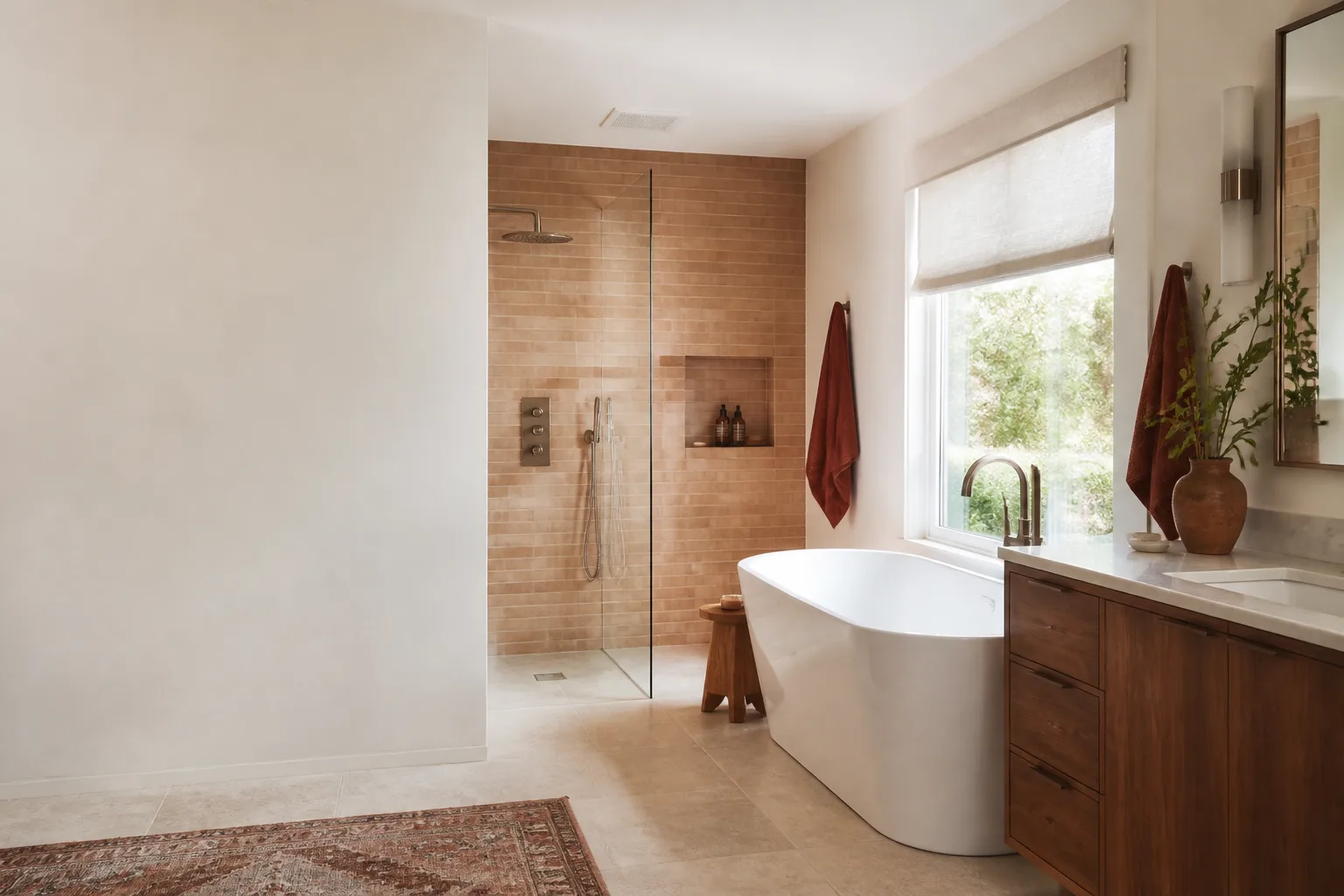
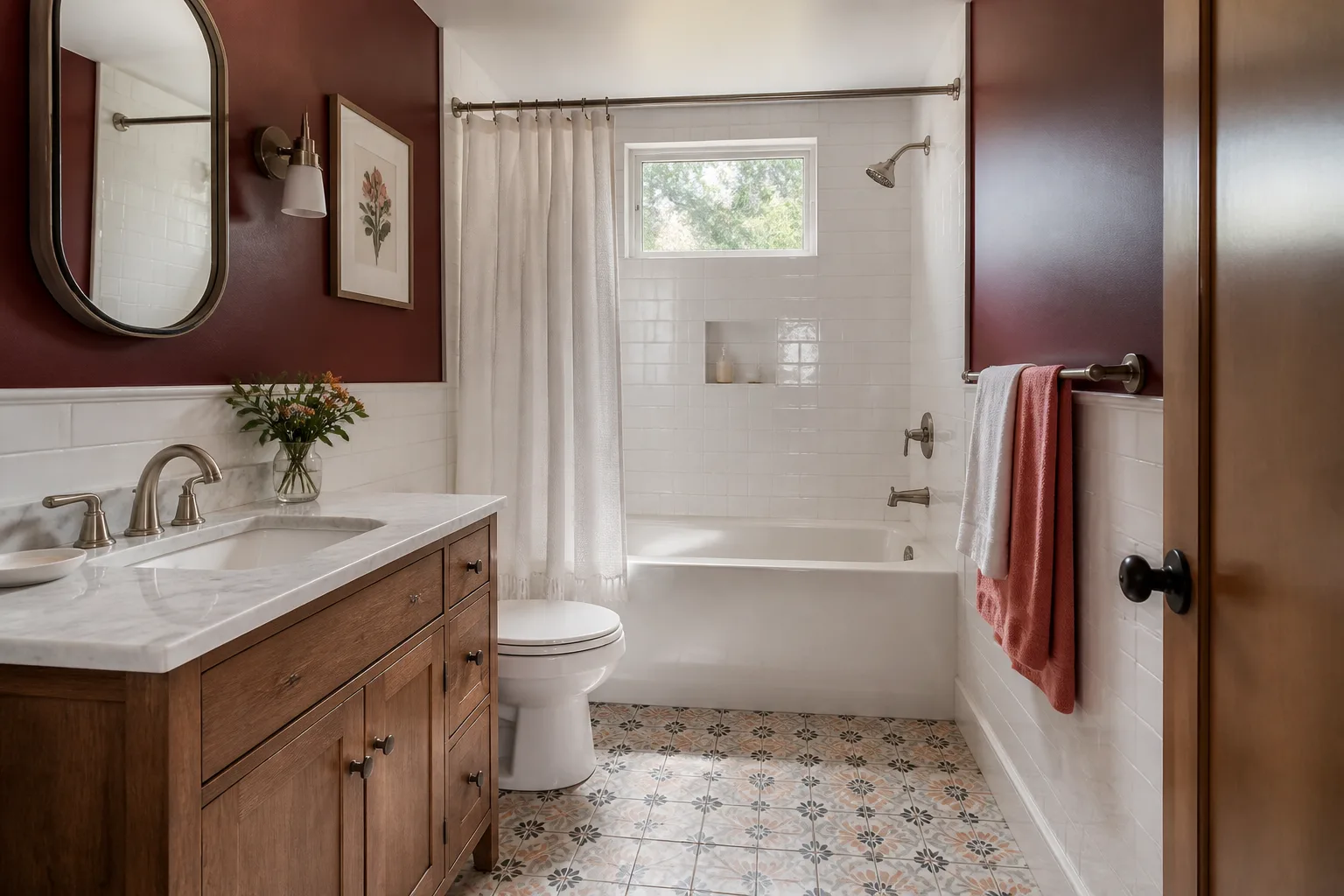
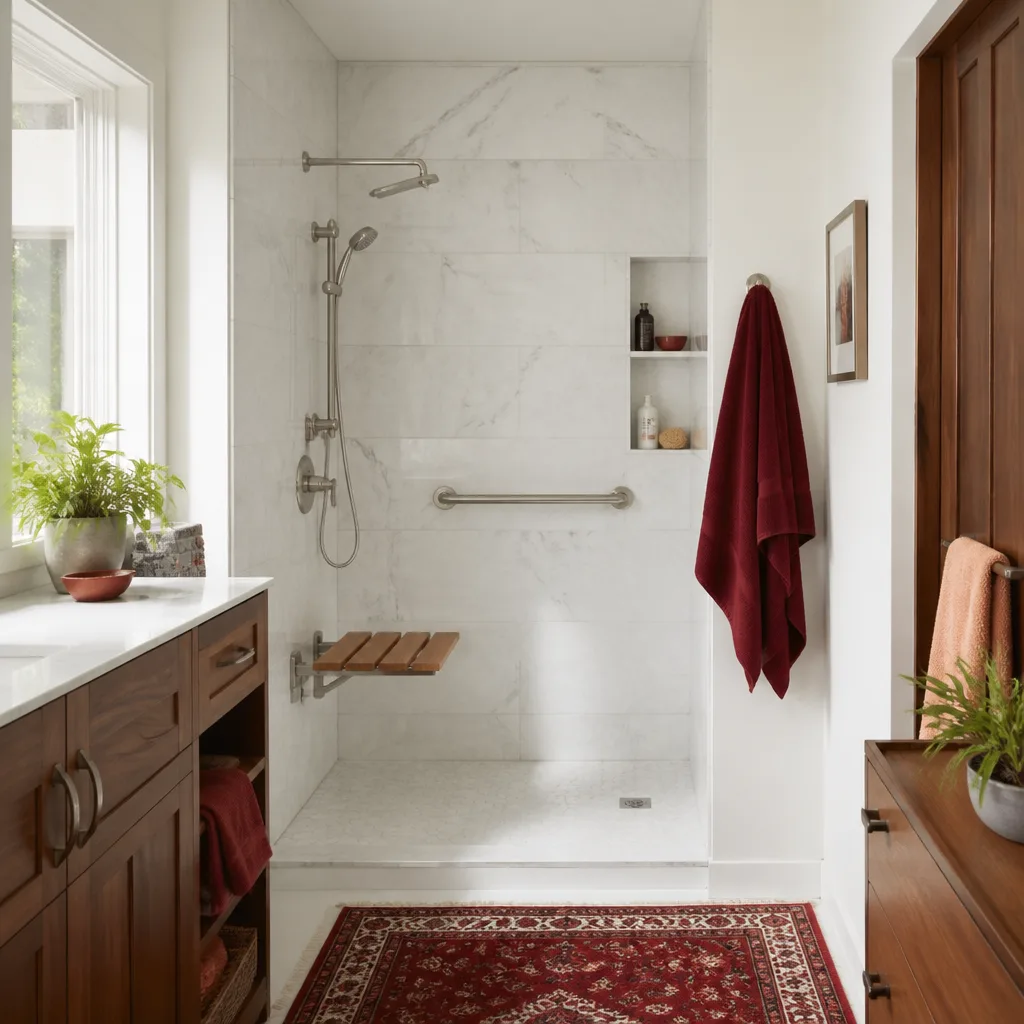
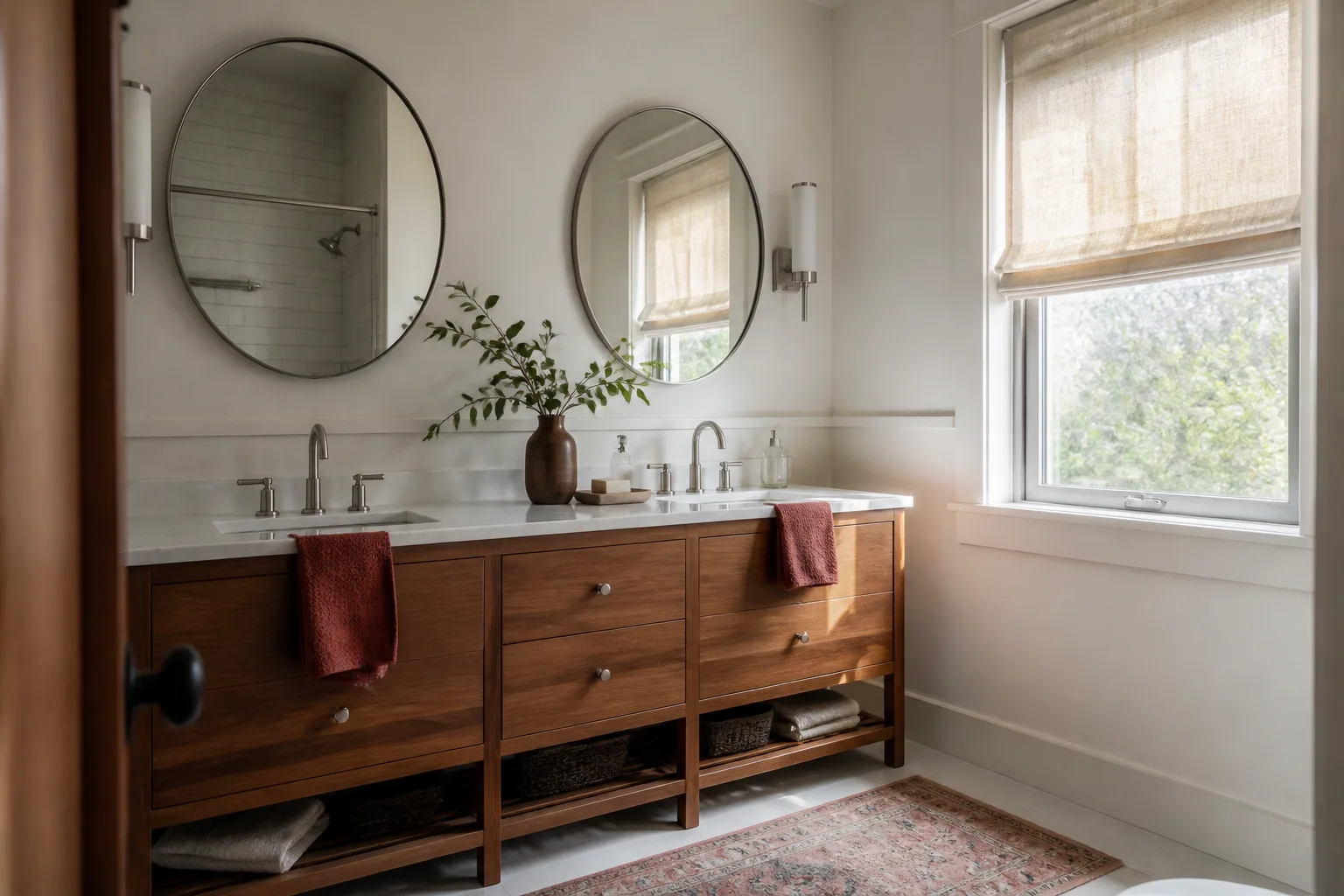
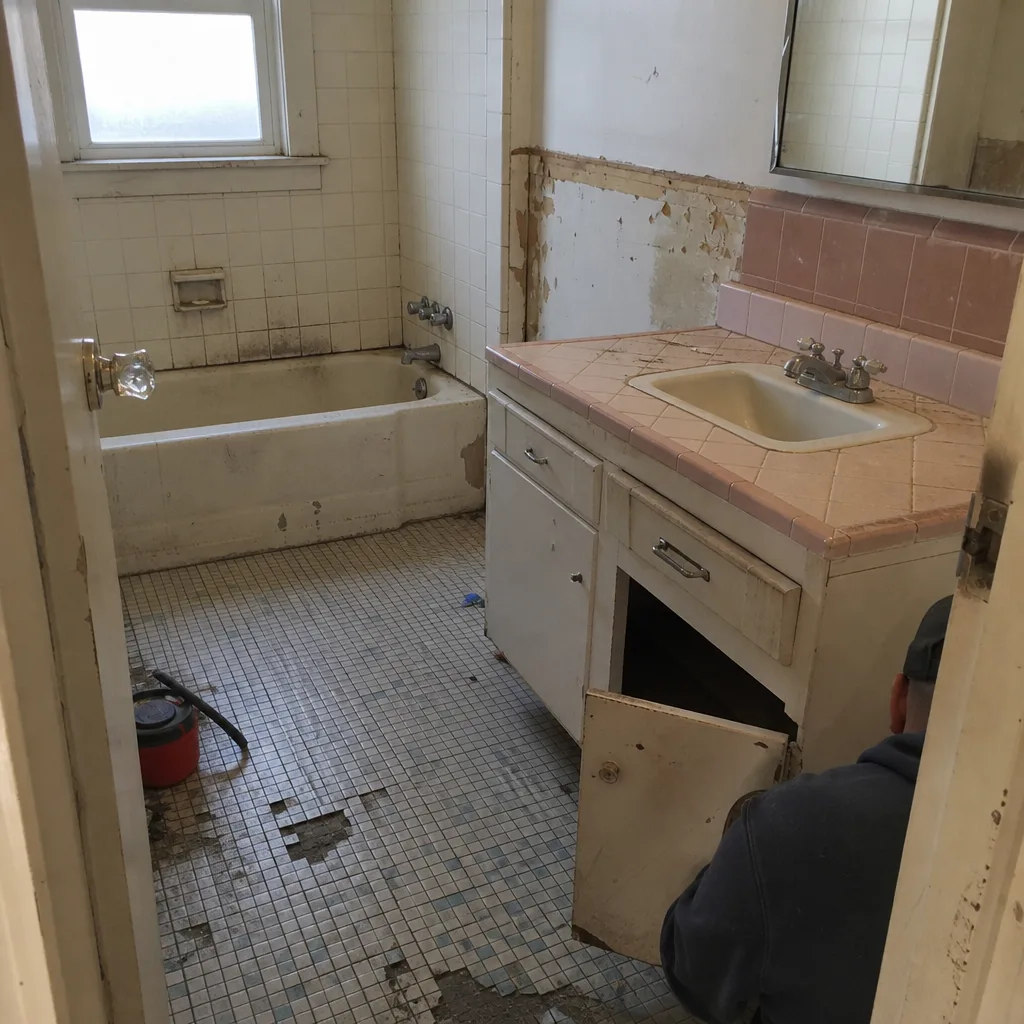
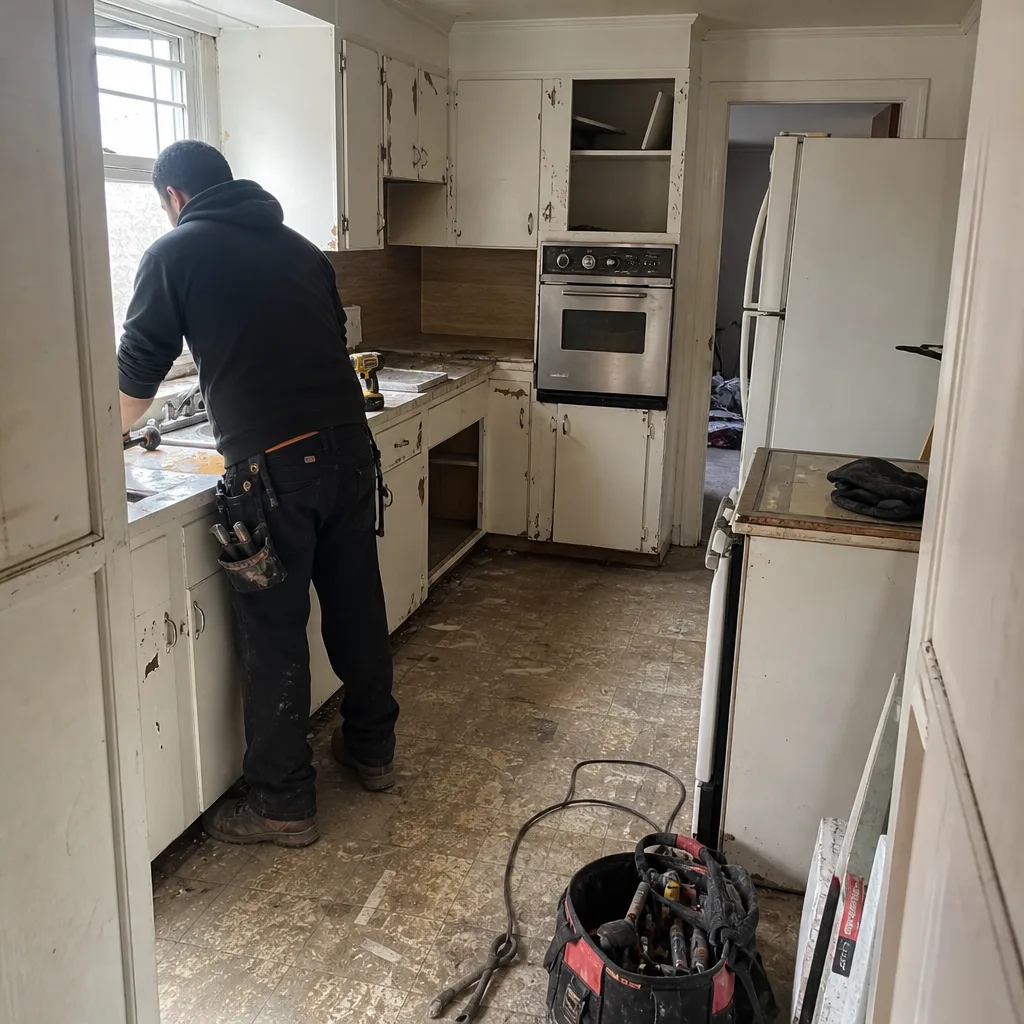
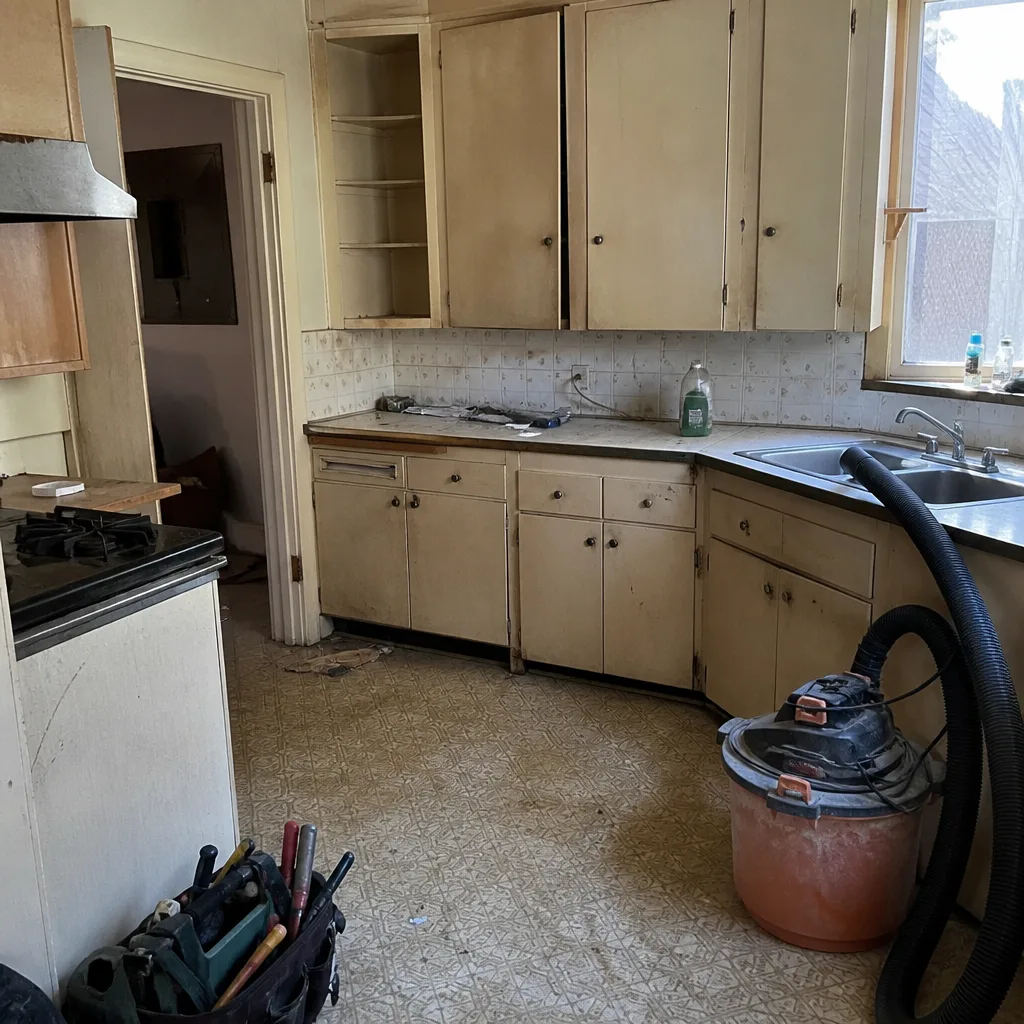
See the difference
 Before
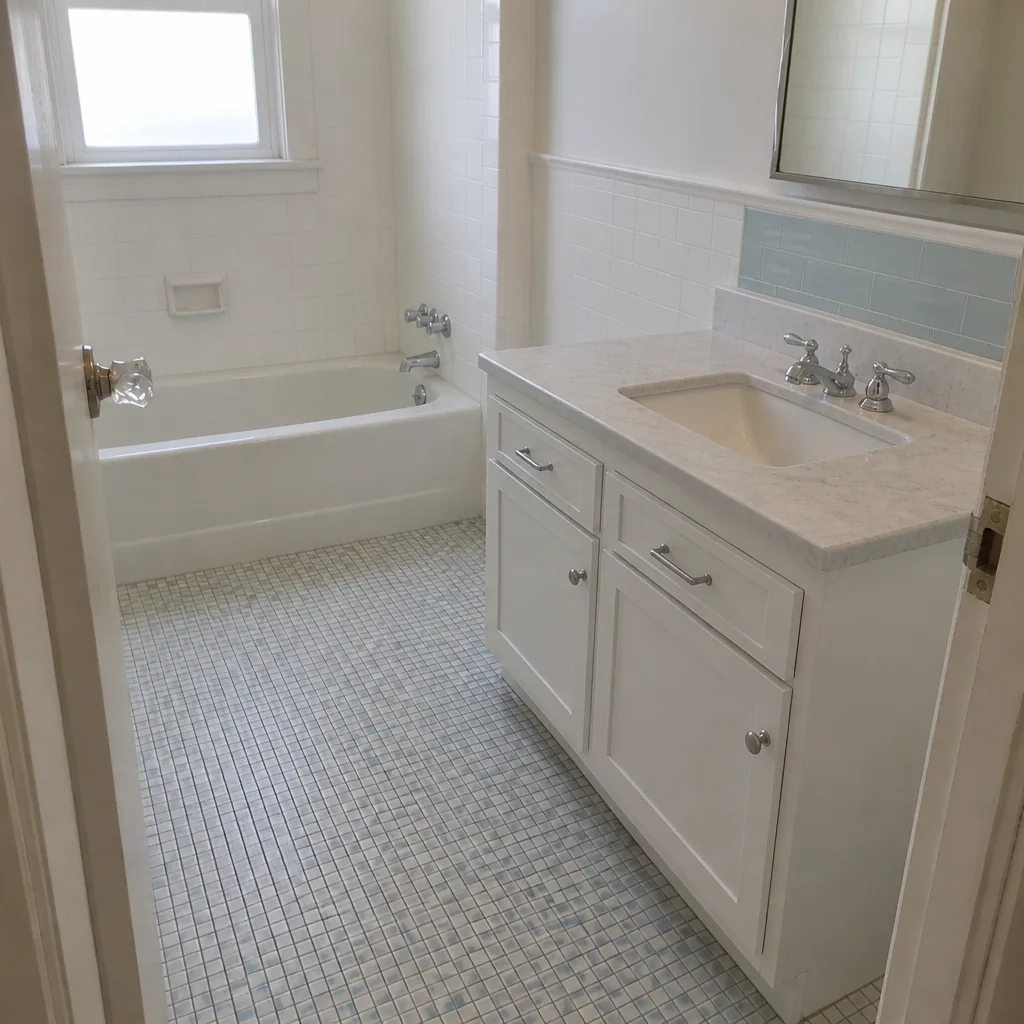 After
 Before
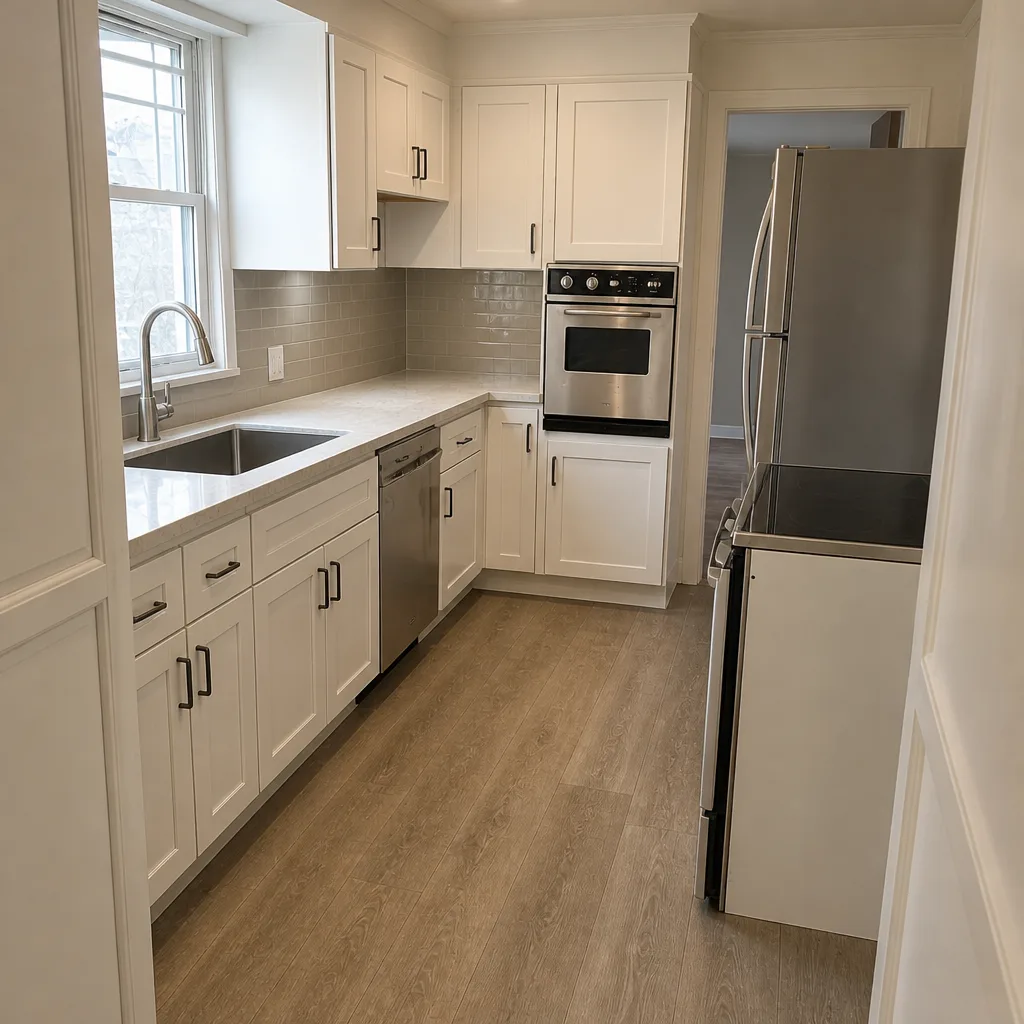 After
 Before
 After
When to Call a Professional
Call a licensed pro when your task involves: moving a toilet, sink, shower drain, or supply line; adding or relocating an electrical circuit or fixture; installing a new shower pan or wet-area waterproofing; adding an exhaust fan where none existed; any change to the bathroom’s footprint; and any structural work. Tile work over a new shower pan is a strong second-tier call, even for confident DIY’ers. We also get called to fix jobs that were paused mid-demo because a homeowner discovered galvanized plumbing, old wiring, or a subfloor that wasn’t sound. Penhallow Remodeling Oakland offers free estimates in Oakland, with a written price before work starts and our 365-Day Done Right Promise covering the finished work. Call (888) 403-1237 to talk through your scope.
Frequently Asked Questions
Yes, in part. California law allows a homeowner-occupant to do their own cosmetic work, direct fixture replacements, and paint, but requires a permit and licensed trades for anything that moves plumbing or electrical lines, installs a shower pan, or changes the room’s footprint. The DIY boundary sits at the water line and the electrical box.
Electrical work in a wet location is the highest safety risk, and a failed shower pan is the highest financial risk. Electrical mistakes can start fires and cause shock, and waterproofing failures typically cost $6,000-$15,000 in water damage before the leak is visible. Call a licensed electrician for circuit work and a professional tiler for the shower pan.
No. Direct fixture replacement in the same location – toilet swapped for a toilet, faucet swapped for a faucet – generally does not require a permit in Oakland or Alameda County. The permit trigger is relocating the fixture or changing the supply or drain connection. If you’re moving the toilet, get a permit and hire a licensed plumber.
Yes, and more than most homeowners expect. Unpermitted showers, electrical additions, and plumbing relocations typically surface in the buyer’s inspection and the title report, and often become a price-reduction lever or a delayed close of sale. Insurance coverage for water damage caused by unpermitted work can also be reduced or denied. Get the permits pulled – the paper trail protects your home’s value.
Legally, yes, for a homeowner-occupant in Alameda County, provided you pull the required permit and pass inspection. Practically, no – shower pan and waterproofing failures are the single most common reason we’re called into a stalled or failing DIY bathroom, and the repair cost typically exceeds the savings by 3 to 5 times.
Roughly $2,000-$4,500 on a mid-range $22,000-$35,000 Oakland bathroom remodel, assuming you keep the licensed-trade work hired out. The savings come from paint, demolition, fixture swaps, and finish work. Trying to save on tile, waterproofing, plumbing, or electrical usually nets negative – the failure cost is larger than the savings. Call (888) 403-1237 for a free estimate and we’ll scope which parts of your project you can safely own.
The Bottom Line
DIY the cosmetic tier: paint, hardware, mirror, caulk, direct fixture replacement. Hire out the water-and-power tier: plumbing relocation, electrical circuits, shower pan and waterproofing, exhaust fan installation, and anything that changes the room’s footprint. Pull the permits even for the work you do yourself, because unpermitted bathroom work costs you at resale and complicates insurance. The savings from DIY are real at $2,000-$4,500 on a mid-range Oakland bathroom, and negative if a shower pan fails. Get a written price for the licensed portion of the project before the first hammer swings – the number on the estimate should be the number on the invoice.
If you’re planning a bathroom remodel in Oakland and want the licensed portion scoped with a written price and a real warranty before work starts, call Penhallow Remodeling Oakland at (888) 403-1237 for a free estimate. Every project gets the 365-Day Done Right Promise in writing, backed by materials from brands like Kohler, Moen, Cambria, and KraftMaid. A live person answers the phone, day or night.
Written by the team at Penhallow Remodeling Oakland.