Last updated November 18, 2026




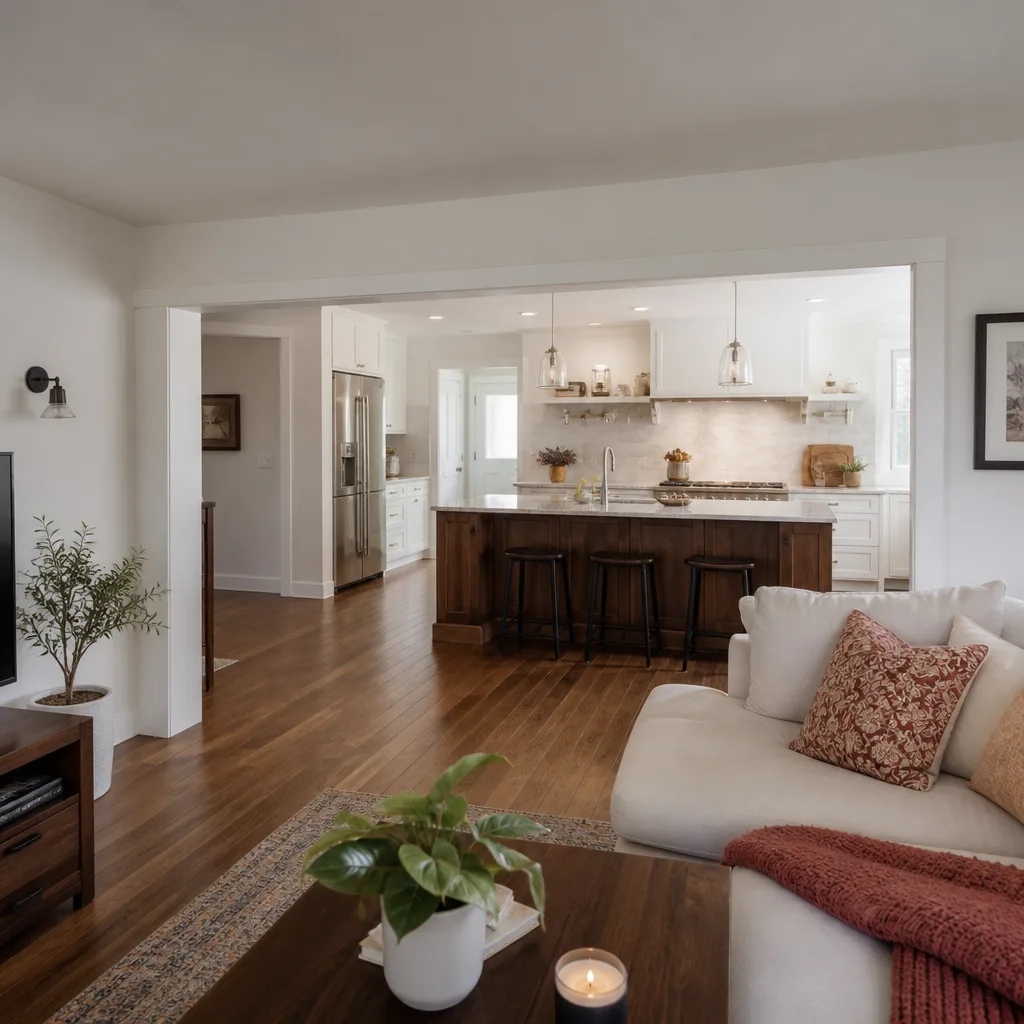
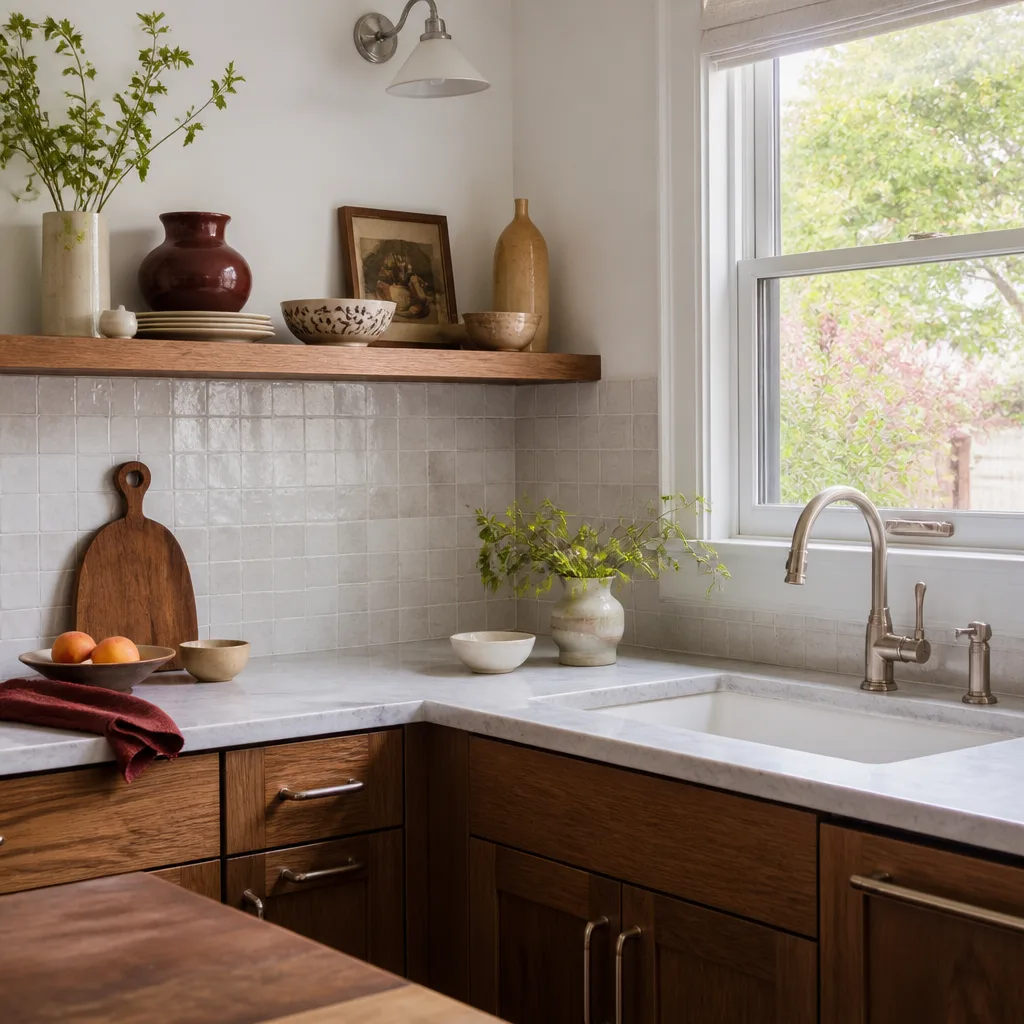
Free written scope consultation - allowances, timeline, and change-order rules on paper before a single trade is scheduled
How to Hire a Construction Contractor in Oakland: A Step-by-Step Guide
A verbal estimate is not a price. It’s an opening position. In Oakland’s remodeling market, the gap between what gets said across the kitchen table and what shows up on the final invoice can run into the thousands, and a handshake protects none of it. Most hiring guides start with “get three bids” and stop before the part that actually matters. This one walks the process backward from the contract, so by the time you pick up the phone you already know what to demand. You’ll learn the five documents to hold before you authorize any work, how to check a California license in under three minutes, and how to structure payments so you’re never exposed.
Quick Answer
To hire a construction contractor in Oakland, verify their CSLB license and classification first, then demand five things in writing before any work is authorized: a written scope, a written fixed price, a written payment schedule, written warranty terms, and proof of current insurance listing your address. Ask for a written proposal rather than a verbal estimate, confirm a specific arrival window, and keep payments tied to completed work. The contractor who resists any of these is telling you something useful before the job even starts.
Styles & brands we work with
- Kitchen remodeling
- Bathroom remodeling
- Home additions & ADU
- Roofing
- Windows & doors
- Driveway & pavers
- Fence
Table of Contents
- Why We Start With the Contract, Not the References
- The Five Documents to Have in Hand Before Work Starts
- How to Verify a California Contractor License in Under Three Minutes
- A Free Estimate vs. a Written Fixed-Price Proposal
- What a Real Arrival Window Commitment Looks Like
- How to Structure the Payment Schedule (and the 10% Rule)
- Oakland-Specific Things That Affect Your Remodel
- Questions to Ask Before You Sign Anything
Why We Start With the Contract, Not the References
Every hiring guide tells you to check references, and you should. But a reference tells you how a past job ended, and the document tells you what happens if yours goes sideways. That’s why we work backward from the contract here. In our experience reviewing failed projects around Oakland, the dispute almost never starts with bad craftsmanship. It starts with a scope that was never written down, or a price that was described as “around” a number, or a payment that moved ahead of the work.
Oakland’s remodeling market makes this sharper than most. The housing stock is old – a lot of pre-1940 bungalows in Temescal and Rockridge, stucco over wood frame in the Fruitvale flats, and a deep inventory of Victorians in West Oakland where nothing is square and nothing is standard. Add California’s seismic code, Title 24 energy requirements, and the fact that much of the city sits in a liquefaction zone, and the cost of an unclear scope multiplies fast. A contractor quoting verbally can absorb those surprises by adjusting the number after demo day. A contractor who wrote the number down has to eat them, or explain exactly why the scope changed.
That’s the whole thesis. The contract is not paperwork that follows the agreement – it is the agreement. Get it right and the references are a formality. Get it wrong and no reference in the world saves you.
The Five Documents to Have in Hand Before Work Starts
Before you authorize a single day of labor, you should be holding five documents. Not promised. Holding. Ask any contractor you’re considering to provide all five, and watch how they respond – the reaction itself is the interview.
- Written scope. A line-by-line description of what will be done, what materials will be used, and what is explicitly excluded. The exclusions matter as much as the inclusions. “Demo, rough plumbing, tile” is not a scope; “remove existing 60-inch tub, rough-in for new Kohler shower valve, install cement board substrate (the moisture-resistant layer behind the tile), tile walls to 8 feet” is a scope.
- Written price. A fixed dollar figure, not a range and not a “starting at.” If a material is an allowance – “cabinetry allowance: $9,000” – the document tells you what happens when the actual choice comes in above or below.
- Written payment schedule. The deposit amount, the milestone dates, and the amount due at each one. You’ll want to compare this to completed work, not to a calendar.
- Written warranty terms. What’s covered, for how long, and what specifically happens if something fails. A handshake promise to “come back and look at it” is not a warranty.
- Proof of current insurance, with your address listed. General liability and workers’ compensation. The certificate should name your property address as the project location. A generic certificate that could apply to any job protects the contractor, not you.
Penhallow Remodeling Oakland hands over all five plus a written guarantee on every project, because the number on day one should be the number on the invoice. That’s not a favor – it’s the standard. If a contractor seems annoyed that you asked, that’s your answer. You can read more about how we approach this on our General Contractor in Oakland page.
How to Verify a California Contractor License in Under Three Minutes
California makes this easy, and a surprising number of homeowners skip it. Go to the Contractors State License Board (CSLB) website, enter the license number or the business name, and read the record. Three minutes, and you’ll know whether the person quoting your kitchen is actually licensed to build it.
What to look for on the record:
- Active status. “Expired,” “suspended,” or “revoked” means walk away. Don’t let anyone talk you past it.
- The classification. This is the part most people miss. A B – General Building Contractor license covers construction requiring more than two unrelated trades. A C-36 covers sheet metal. A C-33 covers painting. If your project is a kitchen remodel that touches framing, plumbing, electrical, and finish carpentry, you want a B license. Ask what classification the contractor holds and whether it matches your job.
- Bond and workers’ comp status. The record shows both. An active license with no workers’ comp on file is a warning.
- Complaint history. A single complaint can be anything. A pattern is a pattern, and the CSLB publishes the disposition.
Do this before you discuss price. In our experience, the conversation changes once the record is on the table. The one detail worth remembering: CSLB requires a written contract for any home improvement job over $500. So the written scope and price you’re demanding in the previous section aren’t optional favors – they’re the law in California. A contractor who resists putting it in writing is resisting more than your request.
A Free Estimate vs. a Written Fixed-Price Proposal
A free estimate is a number in the air. A written fixed-price proposal is a number on paper that you can hold the contractor to. Both may cost you nothing. Only one protects you.
Here’s how to tell which one you’re being handed before you sign anything:
- An estimate is range-based. “Kitchen remodel: $40,000 to $65,000” is an estimate. It tells you almost nothing except that they’ve done this before.
- A proposal is line-item. Cabinetry: $14,000 (KraftMaid, your chosen door style). Countertops: $6,800 (Cambria quartz, ~45 square feet, installed). Demo and disposal: $2,200. That’s a proposal. You can check the math and compare apples to apples.
- An estimate has escape hatches. “Plus unforeseen conditions.” “Plus change orders TBD.” A proposal names the allow items and states the fixed price for everything else.
- A proposal comes with a written guarantee attached. Ours is the 365-Day Done Right Promise: if the work fails inside the guarantee period, we come back and fix it at no charge. If the repair fails again, our second visit is free – no service call, no re-inspection fee. That commitment lives in writing, on the proposal, before you sign.
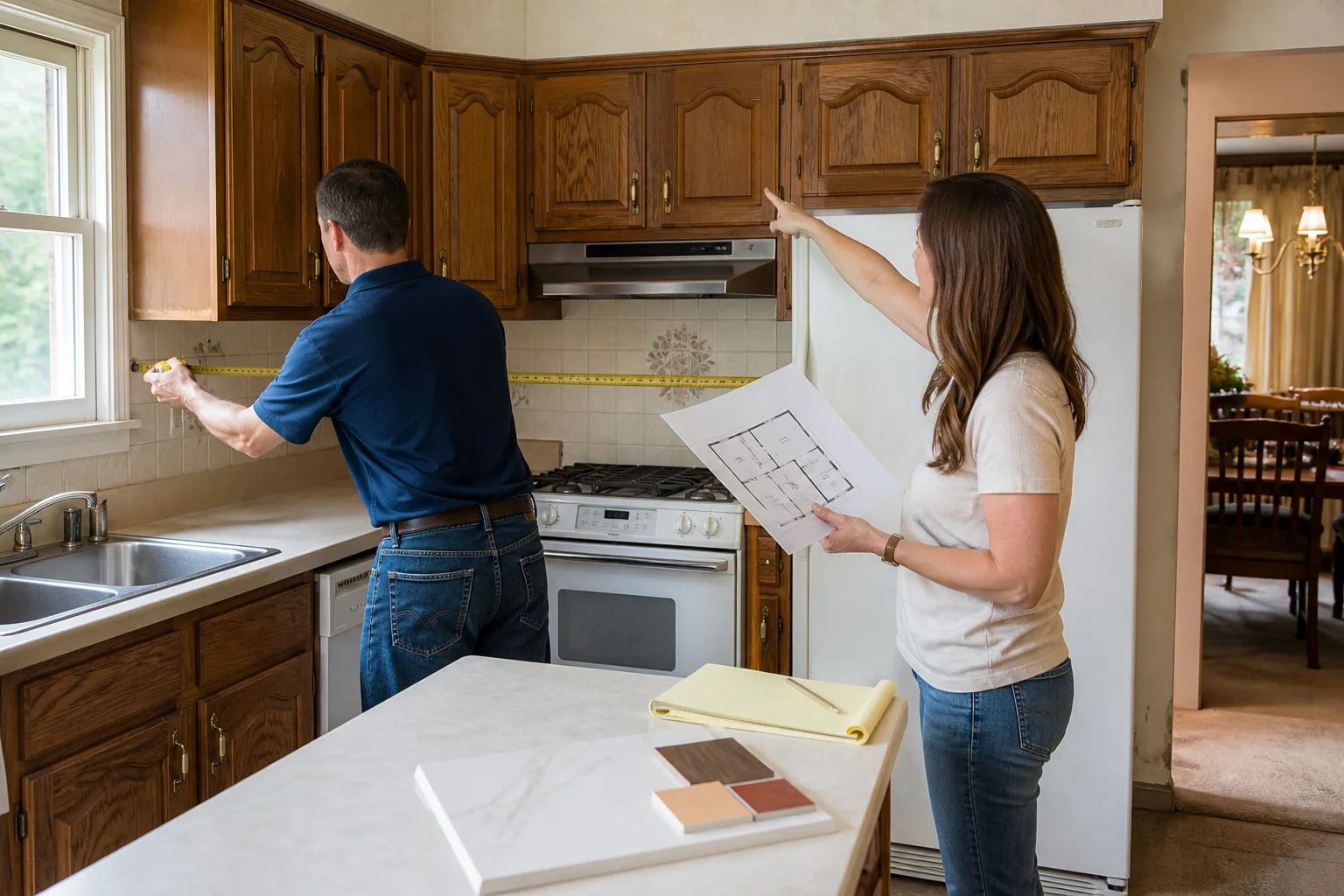
When you’re comparing two Oakland bids, ask each contractor directly: “Is this an estimate or a fixed-price proposal?” If the answer is “well, it’s a little of both,” you’re being handed an estimate. Get the real number before demo. A Kitchen Remodeling in Oakland project or a Bathroom Remodeling in Oakland job both deserve a fixed line-item proposal, and you should insist on it. If you’re planning a whole-home project that spans multiple rooms and years, that’s a conversation for the Penhallow Remodeling Oakland home page and an in-person visit.
What a Real Arrival Window Commitment Looks Like
“I’ll be there sometime Tuesday” is a red flag worth walking away from. A real arrival window is two hours wide, named in writing, and confirmed the day before. A crew that can’t commit to a window before they’re on the job is telling you how they’ll treat your project once they’re in it.
Here’s what to expect from a legitimate Oakland contractor:
- A named window in writing before the visit. Not “Tuesday morning.” “Tuesday, 8 to 10 a.m.”
- A call or text when they’re on the way. Real ones give you a heads-up so you aren’t waiting around.
- Who’s coming. A leading contractor will tell you ahead of time: lead carpenter, an electrician, two laborers. You should never open the door to an unannounced crew member.
- A clean job site at the end of every day. Decorative floor protection, plastic containment in dusty spaces, and tools not left where a toddler can reach them. It sounds small. It’s one of the clearest tells there is.
Why does this matter so much in Oakland? Because old houses have surprises, and a contractor who’s on-site while the wall is open can call them out the same day. The projects that go smoothly aren’t the ones without surprises – they’re the ones where the contractor was actually present when the surprises surfaced. An arrival window isn’t about politeness. It’s about information flow, and the same principle carries over into why some bathroom remodels in Oakland fail at the four-week mark when a crew vanishes. The discipline shows up first in the schedule.
How to Structure the Payment Schedule (and the 10% Rule)
Structure your payments so you’re never more than 10% ahead of completed work. That’s the practical rule we recommend, and it keeps you protected through the whole job. It’s also the rule a trustworthy contractor will nod along to without flinching.
California law limits the deposit a contractor can collect on a home improvement contract to 10% of the contract price or $1,000, whichever is less. Some contractors work within that deposit and then bill in milestone payments – rough framing, drywall, finish, final walkthrough. Others bill against completed work. Both are legitimate. What isn’t legitimate is a request for large payments ahead of any work being done, or a payment schedule that outpaces the actual progress on the house.
A sensible payment structure for a mid-size Oakland remodel often looks something like this:
- 10% at contract signing (the legal maximum in most cases).
- Payment at rough completion – framing, plumbing, electrical, inspection passed.
- Payment at drywall and finish substrates.
- Payment at cabinetry and fixture installation.
- A final payment held until the punch list is complete and the inspection is signed off.
Notice the pattern: every payment sits behind completed and inspected work. What should you do if a contractor pushes back on this? Ask one question: “Show me the completed work each payment is tied to.” If they can’t point to a milestone, the schedule is upside down. A contractor who wants the backend of the money before the middle of the job has finished is asking you to carry their risk. No homeowner in Oakland should sign up for that.
Oakland-Specific Things That Affect Your Remodel
No two cities remodel the same way, and Oakland has a specific set of conditions that affect both cost and scheduling.
- Seismic retrofit and soft-story requirements. Many Oakland properties – especially pre-1978 multi-unit buildings and older single-family homes with garage apartments – trigger soft-story retrofit requirements at permit time. If your contractor doesn’t mention this in the first conversation, they haven’t pulled a permit in your neighborhood.
- Title 24 energy compliance. Any project that touches the building envelope (windows, doors, siding) triggers Title 24 energy compliance in California. A James Hardie siding project or a window replacement isn’t just finish work – it comes with an energy calculation.
- Liquefaction zones and soil. Large portions of the flats in Fruitvale, West Oakland, and the Embarcadero area sit in liquefaction zones. Additions and structural work may require a geotechnical report. Not every project needs one, but every contractor should know when yours does.
- Historic and Design Review. Properties in preservation districts – think parts of Rockridge, Piedmont Avenue, and some of the older neighborhoods near Lake Merritt – can require Design Review for window changes, exterior alterations, or additions. That can add weeks to your permit timeline.
- In-law units and ADUs. Oakland has been actively encouraging ADU construction, and modular systems from Dvele and Mighty Buildings have entered the local conversation. If you’re considering an ADU as part of a whole-home remodel, expect the permit process to be its own track, and ask your contractor whether they’ve built one in the city.
None of this is meant to scare you. It’s meant to arm you. The contractor who already knows about liquefaction zones in Fruitvale and Design Review near Lake Merritt is the one who won’t surprise you with a “we hit a snag” call in week two.
Questions to Ask Before You Sign Anything
Bring this list to the meeting. The questions are direct on purpose – you want to hear how they answer, not just what they answer.
- What’s your CSLB license number and classification? Then verify it yourself.
- Can I see the written scope, price, and payment schedule before I sign? The answer should be “of course.”
- What’s excluded from this price, and what triggers a change order? Unforeseen conditions, material upgrades, code corrections. You want the categories named.
- What does your warranty cover, and what happens if something fails? Vague here means vague later.
- Will you pull the permit, and will you provide proof of the final inspection? Anyone who tells you a permit isn’t necessary on a project this size is telling you something important.
- Who are the technicians and how are they vetted? Penhallow uses background-checked technicians who arrive in uniform. You should expect nothing less from anyone walking into your home.
- Who answers the phone if I have a question on a Saturday? Our line is staffed by a live person 24/7. If you reach voicemail, you already know something about how the project will run.
- What does the day-one schedule look like, and what’s the arrival window? Two hours wide, written down, confirmed the day before. That’s the benchmark.
Common Mistakes to Avoid
- Accepting a verbal estimate as a price. A number said out loud isn’t a number you can hold anyone to. Ask for it in writing or walk.
- Skipping the CSLB check. It takes three minutes and tells you whether the license is active, what classification it holds, and whether there’s a complaint history. East Bay homeowners skip it more than they should.
- Paying ahead of completed work. If you’re more than 10% ahead of the actual progress on the house, you’ve lost your leverage if something goes wrong.
- Not naming the exclusions. “Tile work” can mean three different things depending on whether the substrate, waterproofing, and trim are included. Get the exclusions in writing alongside the inclusions.
- Assuming Design Review doesn’t apply to you. Oakland’s preservation districts cover more parcels than most homeowners realize. A window change on a Rockridge bungalow can trigger review you didn’t expect.
- Trusting a warranty that isn’t in writing. “We always come back and fix it” is a sentence, not a guarantee. Written terms, named period, specific remedy. Anything less is decoration.
- Skipping the final inspection. If the permit was pulled, the final inspection closes it out. A contractor who never provides proof of the sign-off has left you holding the risk.
These are the mistakes we see most often in the Oakland area, and the good news is that each one takes five minutes to prevent. If you want a second set of eyes on a contract you’ve already been handed, we’re happy to be that second set of eyes. More on that below.
See the difference
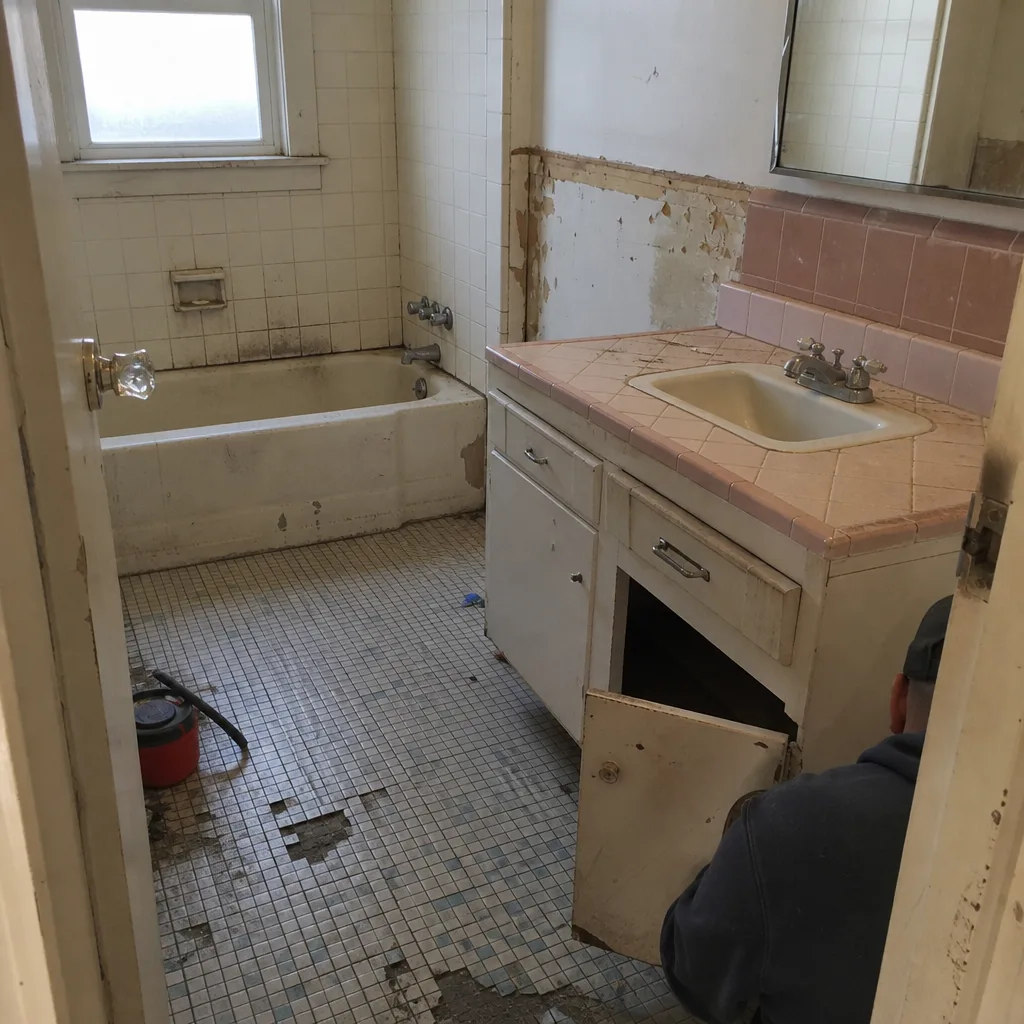 Before
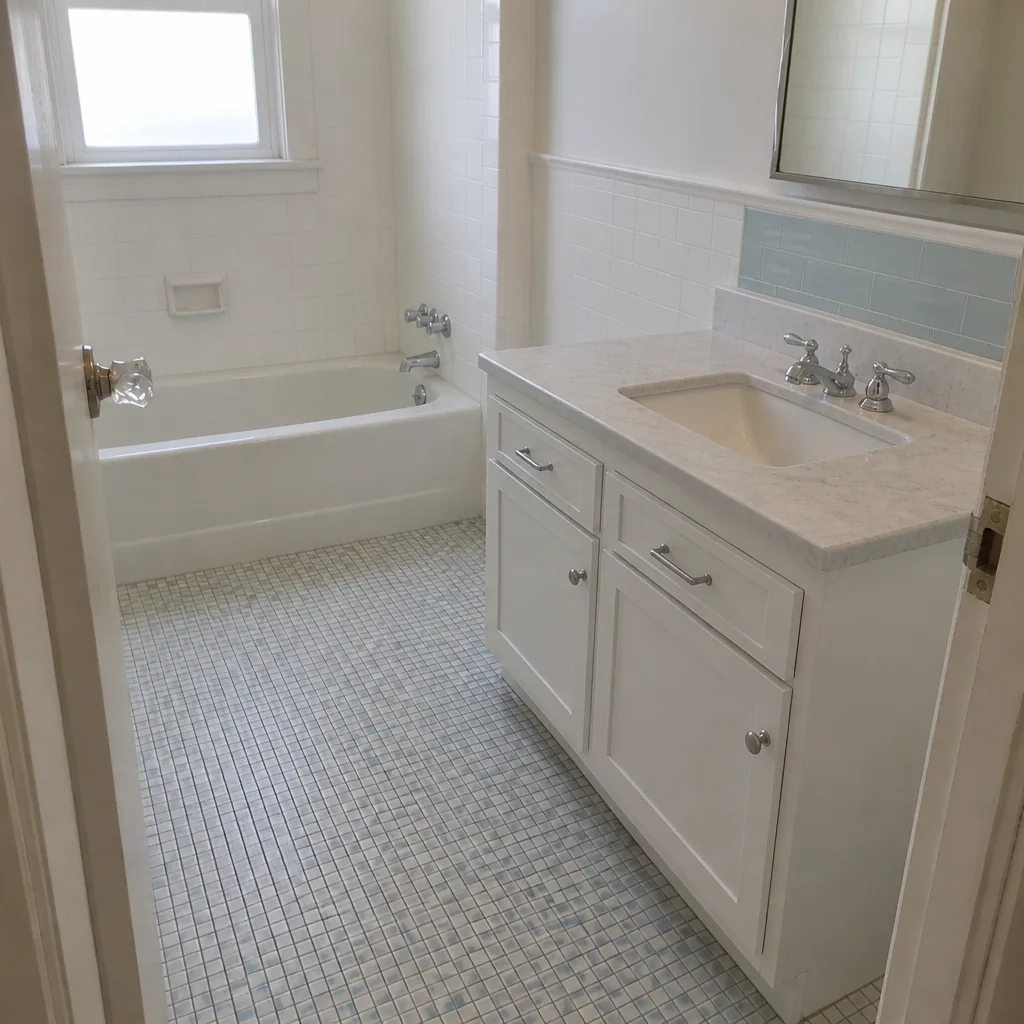 After
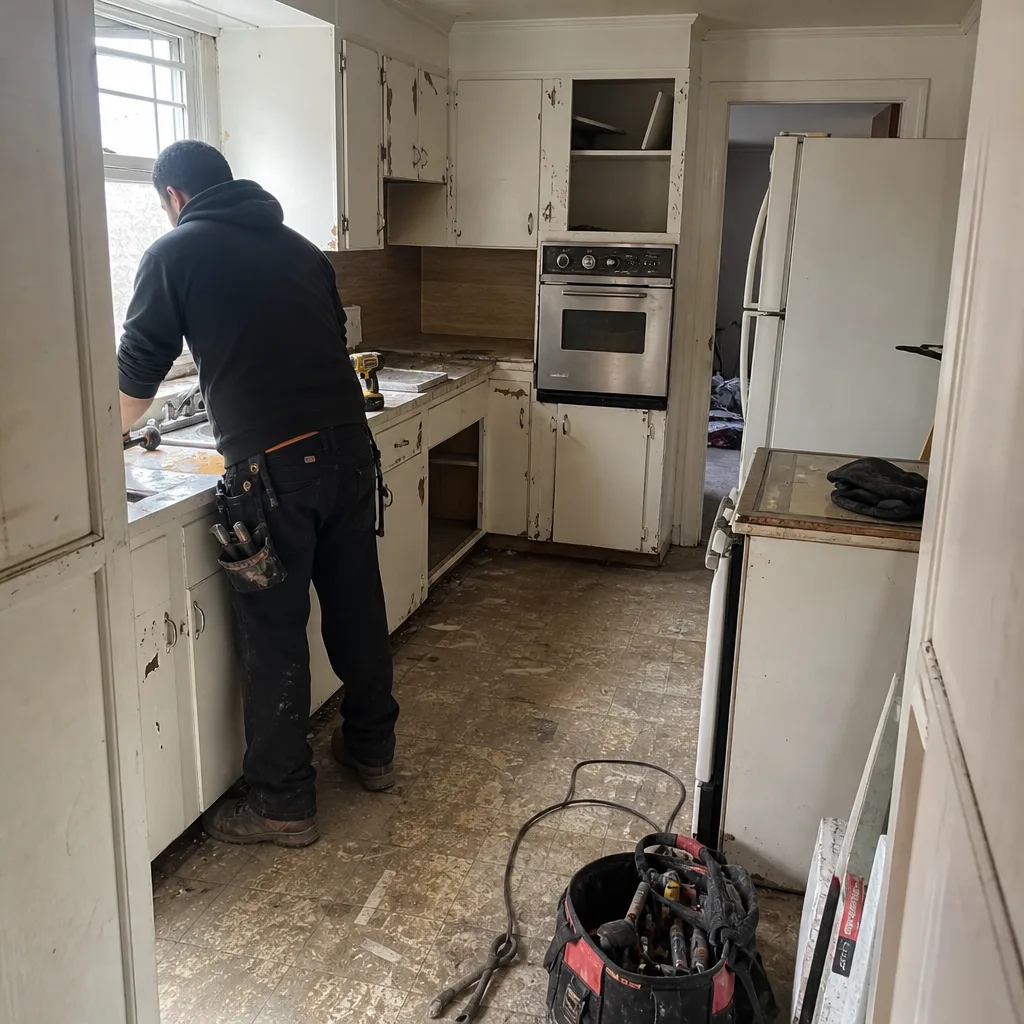 Before
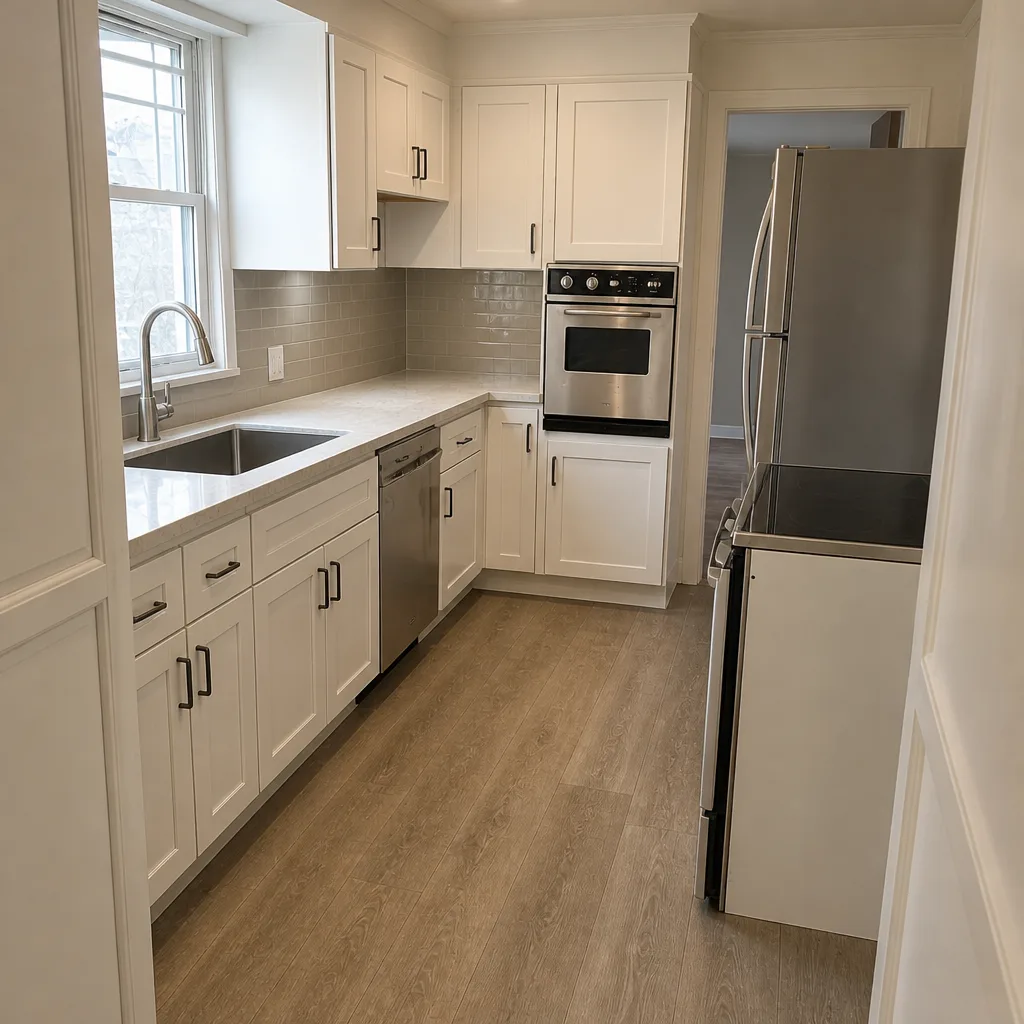 After
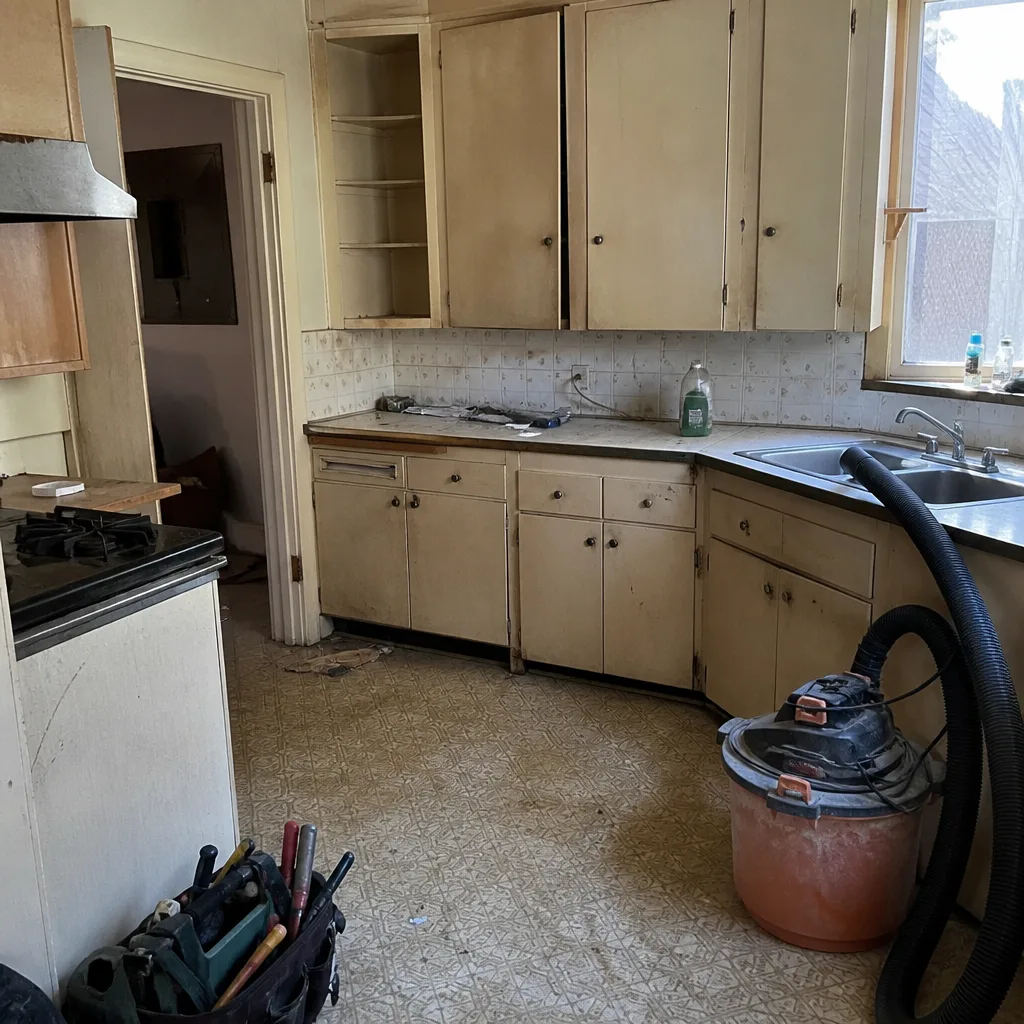 Before
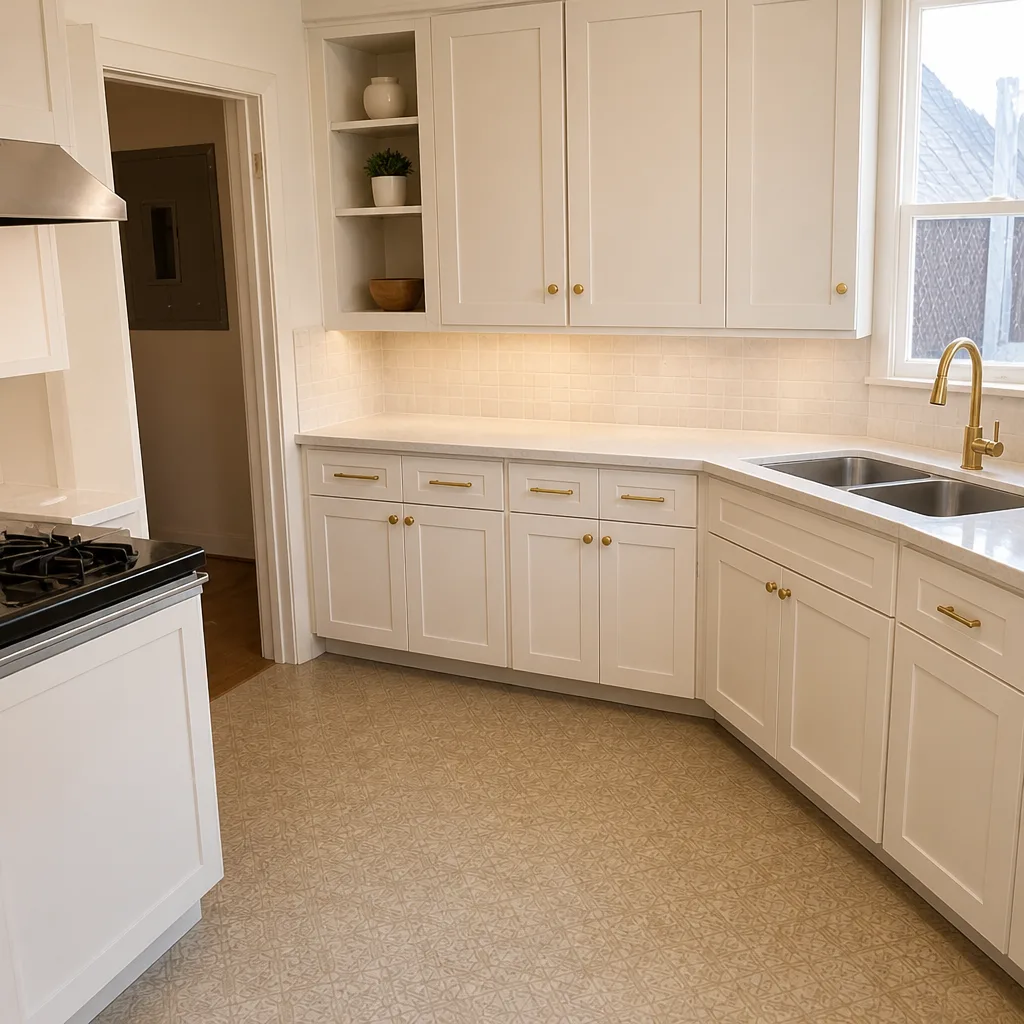 After
When to Call a Professional
Some things you can DIY. Hiring a contractor to run a full project is not one of them. If your project touches plumbing, electrical, structural framing, seismic retrofit work, or a permit of any kind, you want a licensed contractor holding the pen. That’s especially true on older Oakland homes where the wall might open up to reveal knob-and-tube wiring, an undersized header, or a foundation issue – and the fix touches three trades at once. The owner-builder permit that lets a homeowner act as their own general contractor is real, but the practical reality is that if the inspections aren’t passed, the risk is all yours. Penhallow Remodeling Oakland offers free written estimates in Oakland – call (888) 403-1237 and we’ll walk the project with you before anything is signed.
Frequently Asked Questions

Go to the Contractors State License Board (CSLB) website, enter the license number or business name, and check the active status, classification, and complaint history. In under three minutes you’ll know whether the contractor is licensed for your project type – a B classification for a multi-trade remodel, not a specialty trade license. Call (888) 403-1237 if you want a second opinion on what the record means for your job.
Kitchen remodels in Oakland typically run $18,000 to $55,000 depending on layout, cabinet line, and countertop material – a galley kitchen with KraftMaid cabinetry and Silestone counters usually lands in the lower half of that range, while a full reconfiguration with Cambria quartz and a moved sink wall can exceed it. Every number should come to you in writing, line-item, before work starts. Call (888) 403-1237 for a free written proposal for your Oakland kitchen.
An estimate is a range. A written fixed-price proposal is a specific dollar figure with a line-item breakdown, named exclusions, and a written guarantee attached. You want the proposal, always. Ask directly: “Is this an estimate or a fixed price?” – and don’t sign anything that turns out to be the first one. Call (888) 403-1237 to see what a fixed-price proposal looks like.
Yes, in almost every case. California and Oakland both require permits for work that touches structural, mechanical, electrical, plumbing, or the building envelope – which covers most kitchen and bathroom remodels. The permit protects you, not just the contractor; an inspector signs off the work and closes it out. A contractor who discourages you from pulling one is shortening their schedule at your expense. Our team pulls permits and stays through the inspection – call (888) 403-1237 to talk through your project.
California limits the upfront deposit on a home improvement contract to 10% of the contract price or $1,000, whichever is less. After that, payments should be tied to completed and inspected work. If a contractor asks for more than 10% upfront, or asks for a large payment before any work has happened, push back or walk. Call (888) 403-1237 if you want a payment schedule reviewed before you sign.
Walk away. A written price and a written scope are literally required by California law on any home improvement job over $500 – so resistance here is a bigger red flag than a verbal “I’ll be there Tuesday.” The contractor who won’t commit to the number before the work is signaling they plan to change the number after. Call (888) 403-1237 for a free written estimate you can hold us to.
The Bottom Line
Hiring a construction contractor in Oakland comes down to one move: get the price and the guarantee in writing before any work is authorized. Do that, and the rest – checking the CSLB record, confirming the arrival window, tying payments to completed work – becomes the natural sequence. Skip it, and every reference in the world won’t protect you from a number that changes after demo day. Hold the five documents. Ask for the fixed-price proposal, not the estimate. Verify the license before you talk about the number. Structure the payment schedule to stay behind the work. The contractor who doesn’t flinch on any of it is the one you want in your home.
We answer the phone 24/7 with a real person on the line, hand every homeowner a written price before any work starts, and back every project with the 365-Day Done Right Promise in writing. If that sounds like the standard you’ve been looking for, call Penhallow Remodeling Oakland at (888) 403-1237 for a free estimate – we’ll walk your project with you, in writing, before anything is signed.
Written by the team at Penhallow Remodeling Oakland.