








Free written scope consultation - allowances, timeline, and change-order rules on paper before a single trade is scheduled
Styles & brands we work with
- Kitchen remodeling
- Bathroom remodeling
- Home additions & ADU
- Roofing
- Windows & doors
- Driveway & pavers
- Fence
See the difference
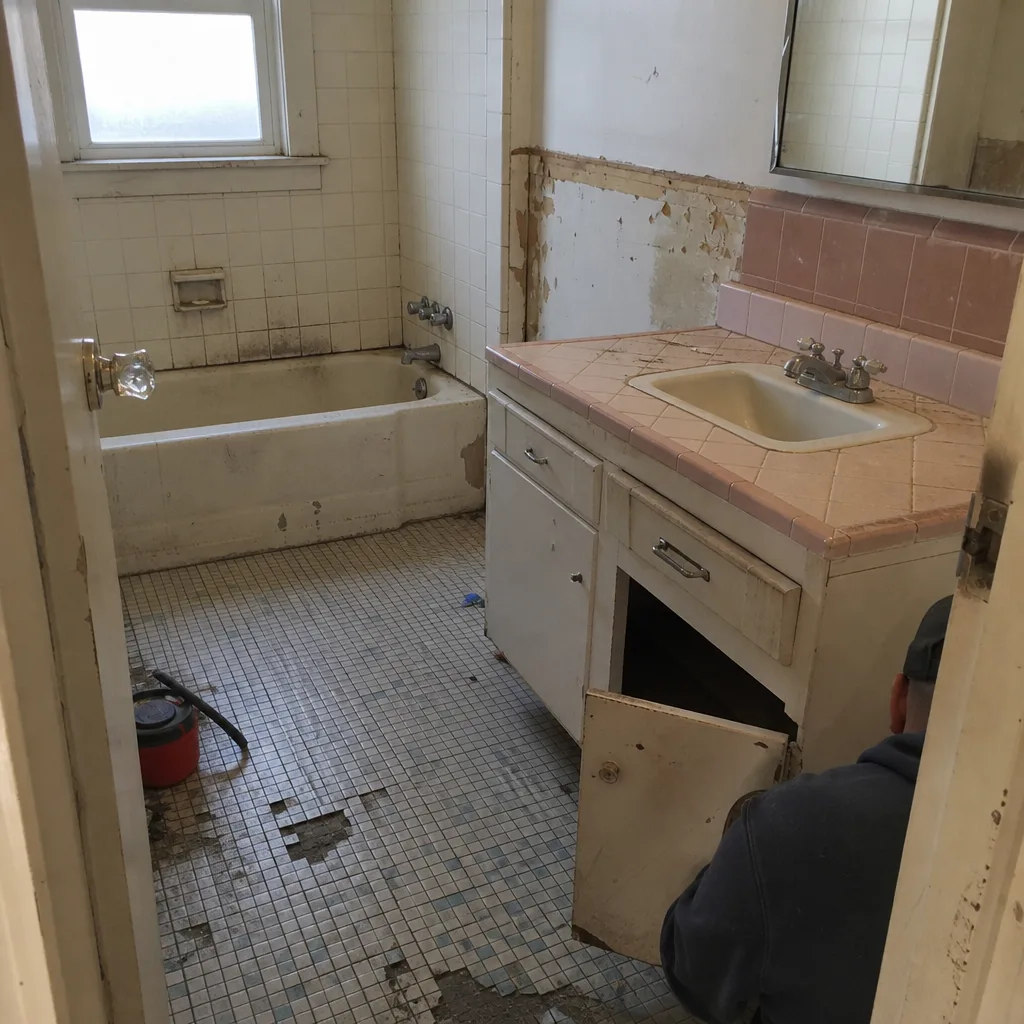 Before
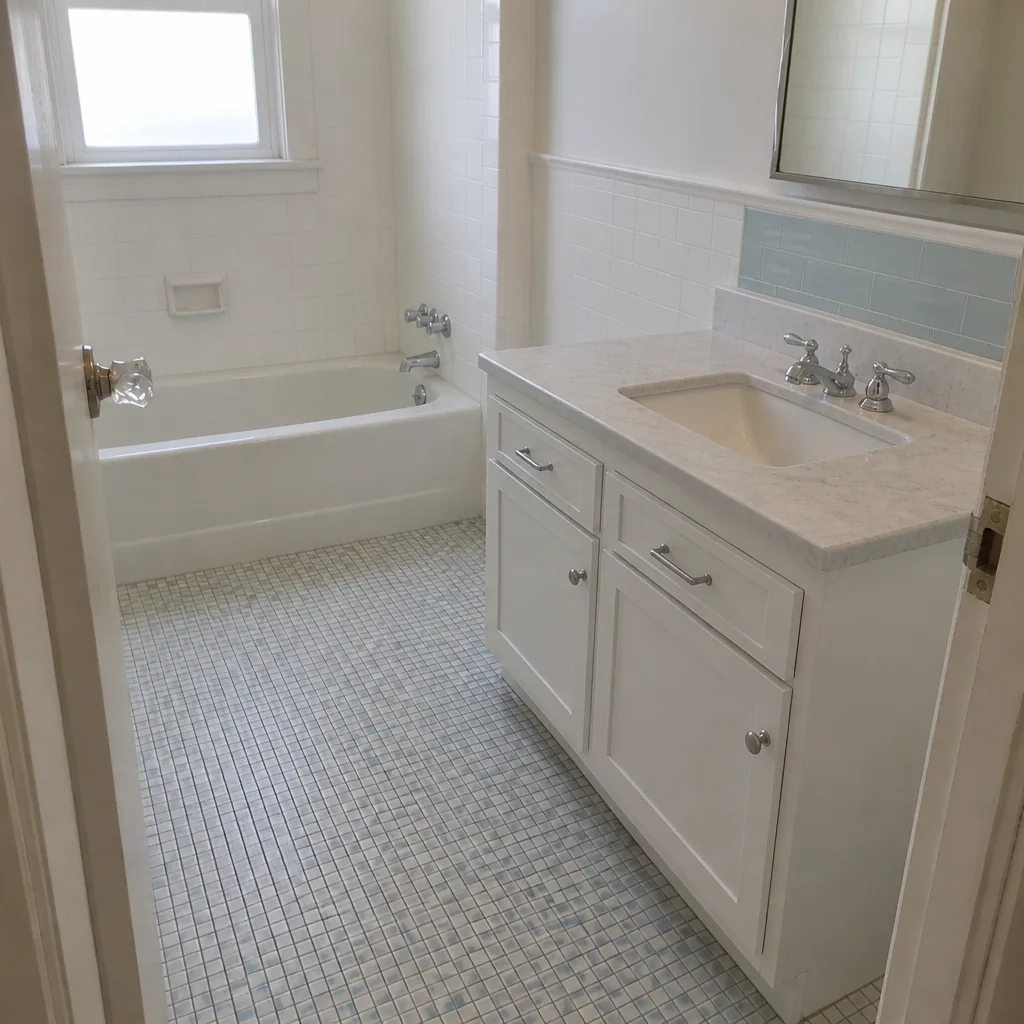 After
 Before
 After
 Before
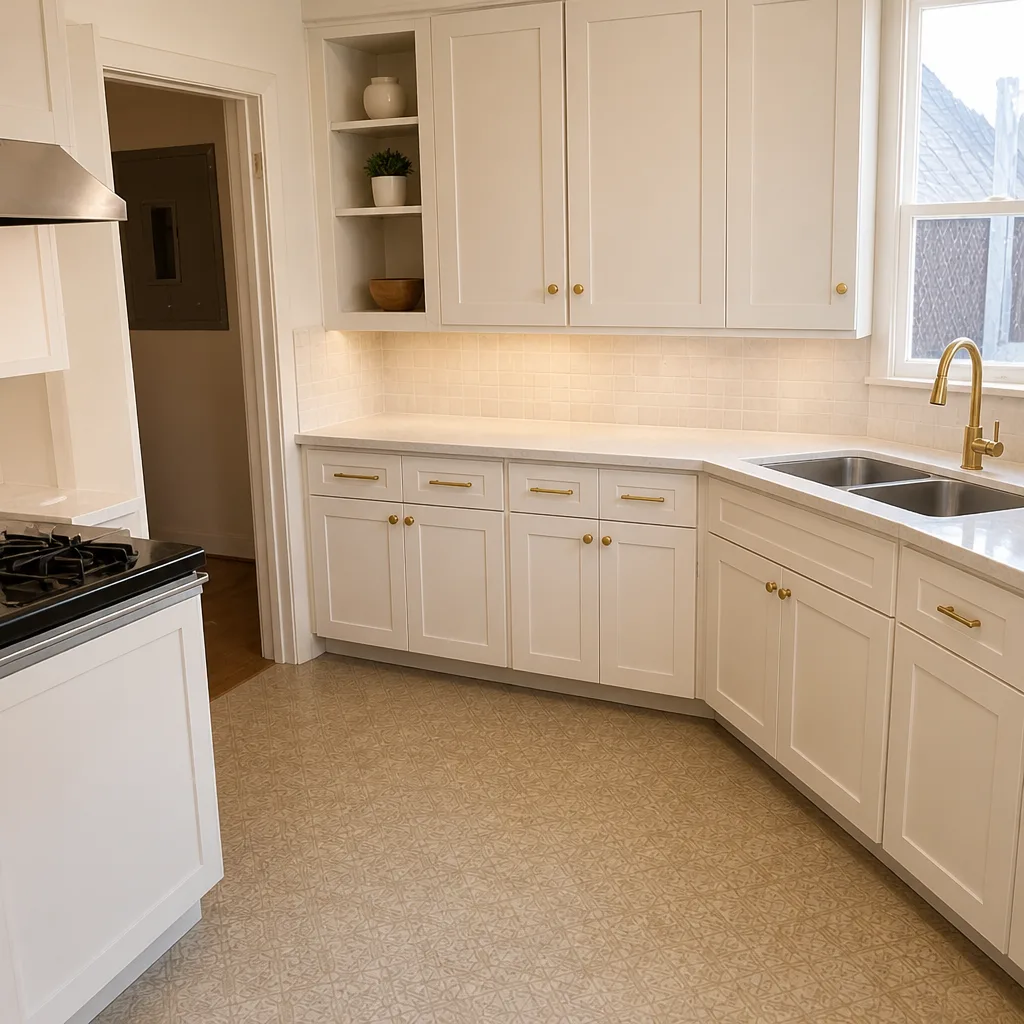 After
General Contractor vs Handyman in Oakland, CA: Choose a Handyman for Cosmetic Repairs Under $500, and a Licensed GC the Moment a Wall Opens
California sets a hard line: any single job where combined labor and materials run $500 or more requires a licensed contractor. Below that line, an unlicensed handyman can legally work. Above it, a general contractor must. In Oakland, that line arrives faster than most homeowners expect, because the city’s 1900s-1920s Victorian and Craftsman housing stock turns a “simple outlet move” into a permit-and-inspection job the second a wall opens. If you’re weighing general contractor vs handyman and want an honest read on which side your project lands, call Penhallow Remodeling Oakland at (888) 403-1237 before you accept a bid. We’ll tell you plainly which one you actually need.

What California’s $500 Threshold Actually Means in Practice
The statute is straightforward: a single job with combined labor and materials at or above $500 requires a licensed contractor under California Contractors State License Board rules. “Combined” is the word that matters. It’s not $500 in labor plus whatever the parts cost. It’s the total ticket, parts and labor in one job.
That’s where things get slippery. A handyman who explains that the job is really “three separate repairs” at $450 each isn’t being clever. He’s exposing you. Splitting one job into staged invoices to stay under the threshold is a work-around, not a legal structure. If someone is injured, if a permit gets triggered later, or if your insurer examines the claim, that staged billing pattern reads as an attempt to avoid licensing on work that required it. The homeowner holds the bag.
Why this matters more in Oakland than in newer cities
Open a wall in a Craftsman bungalow in the Dimond District or a Victorian near Lake Merritt, and you’re likely to find knob-and-tube wiring and cast-iron drain lines. Running a new outlet for a kitchen remodel or relocating a vanity fixture almost certainly requires an electrical permit. A handyman cannot pull that permit, and he cannot sign off on the inspection. The job legally belongs to a licensed contractor the moment the drywall comes off.
The city’s neighborhood-specific zoning and preservation rules add another layer. Hillside projects and ADUs sit under some of the most particular review in the region. That permitting machinery assumes a licensed contractor on the other end of the application.
The Liability Math Most “GC vs Handyman” Guides Skip
Here’s the part almost nobody surfaces. Your homeowner’s insurance covers injuries on your property in most cases. It does not always cover injuries from work that legally required a licensed contractor but was performed without one. An adjuster can deny the claim, and you’re left holding both the medical bill and the argument.
That’s a five-figure problem from a job that started as a $450 outlet relocation. It’s the reason the GC-vs-handyman decision isn’t really about project size. It’s a legal and liability question before it’s ever a budget question.
An operator’s view from the field
We’ve been called to more than one Oakland home where a homeowner wanted us to “just finish what the handyman started.” The pattern is nearly identical: the substrate behind a tile shower was never prepped properly, the electrical rough-in has no permit trail, and the number to fix it is three times the original quote. Our technicians, who bring up to 22 years of experience, can read that story from the demo debris alone. It’s why we hand every homeowner a written price before a single cabinet is pulled, and a written 365-Day Done Right Promise covering the work – a guarantee that only exists because the work was done by licensed professionals whose labor can legally be warranted.

Where the Work Splits: GC vs Handyman, Side by Side
The clearest way to answer this is a straight comparison. Here’s where each one belongs, in Oakland terms.
| Work type | Handyman is fine | Licensed GC required |
|---|---|---|
| Job value | Under $500 combined labor and materials | $500 or more combined |
| Wall opening | Patch and paint, no utility work | Any work where wiring or plumbing is inside the wall |
| Electrical | Swapping a light fixture or outlet cover | New outlet, relocated fixture, panel work – permit required |
| Plumbing | Replacing a faucet aerator or showerhead | Fixture relocation, drain work, supply line changes |
| Carpentry | Cabinet hinge, door adjustment, trim touch-up | Cabinet installation as part of a kitchen or bath build |
| Bathrooms & kitchens | Not recommended | Always – permit and inspection apply |
| Hillside or old-home structural touch | Never | Always – engineering and permit review apply |
Where a handyman genuinely makes sense in Oakland
We’re not going to dismiss handymen out of hand. They earn their keep on the small stuff:
- Replacing a bathroom faucet or showerhead, under the threshold.
- Adjusting a sticking door or a sagging cabinet hinge.
- Patching drywall from a moved picture hook, then painting.
- Resetting a fence board or re-hanging a gate.
- Patching trim, caulking a window, weather-stripping a back door.
Any of those, and a handyman is the right call. None of them cross the $500 line in one job, and none require a permit or an inspection. If your list runs long enough to cross the threshold, that’s your signal to hire a licensed contractor for the whole batch instead of staging it.
What a Real Remodel Costs in Oakland (So You Can Compare)
Here’s where the honest GC side of that comparison earns its keep. Actual remodel ranges in Oakland, written plainly:
| Project | Typical range |
|---|---|
| Kitchen remodel | $14,000-$45,000 |
| Small kitchen remodel | $9,000-$20,000 |
| Cabinet installation | $4,000-$13,000 |
| Countertop installation | $2,000-$6,500 |
| Backsplash installation | $800-$2,500 |
| Bathroom remodel | $9,000-$28,000 |
| Small bathroom remodel | $5,000-$12,000 |
| Walk-in shower installation | $4,500-$12,000 |
| Tub-to-shower conversion | $3,500-$10,000 |
| Bathroom vanity installation | $800-$3,000 |
Nothing on that list is a handyman job in California. Each crosses the $500 line on labor alone in most cases. Every one requires a licensed contractor, and most require a permit with the city.
A note on materials and who stands behind them
Materials sourced from recognized trade brands matter because they carry their own warranties, which stack on top of ours. We install Cambria quartz, which carries its own lifetime warranty alongside our 365-Day Done Right Promise. KraftMaid and Wellborn cabinetry, Kohler and Moen fixtures, and James Hardie siding all work the same way. Below your shingles, IKO, Atlas, Tamko and Boral underlayments and components are worth asking about when a roof is part of the project. A handyman can’t put a name on a guarantee for any of those, because he isn’t licensed to install them as a contractor.
That’s the deeper answer to general contractor vs handyman: the guarantee is the product. A written price before work starts, a defined arrival window, and a 365-day written promise to make it right only exist if the person doing the work can legally stand behind it. Our background-checked, uniformed technicians arrive on a schedule we set in advance, and a live person answers the phone 24/7 – not a voicemail prompt. The Kingswell Guarantee behind every Penhallow project was established in 2004, and each location is independently owned and operated as part of the Kingswell family of companies. To see the full range of what we take on, visit our home remodeling services.
Common Local Scenarios (and Which One You Need)
Concrete beats abstract. Here’s how the general contractor vs handyman call plays out in real Oakland homes.
The outlet behind the fridge
Homeowner wants a new outlet for a counter-depth refrigerator in a 1921 Craftsman. The outlet is inside a wall with knob-and-tube behind it. Verdict: licensed GC, electrical permit, inspection. A handyman who says he can do it cheap is telling you he’ll do it without a permit.
The bathroom vanity swap
Old vanity out, new vanity in, water lines moved 6 inches. Verdict: GC. Moving a supply line is plumbing work, and it requires a permit in almost every case. If the vanity stays on the same hookups and there’s no wall work, that’s a handyman-scale job.
The kitchen “facelift”
New cabinets, new counters, new backsplash, same layout. Verdict: GC. Even at the low end, you’re in the $16,000-$20,000 range once you total cabinet installation, countertop, and backsplash. This is a permit-and-inspection job.
The cosmetic punch list
Caulk a window, reset a hinge, patch two drywall dings, touch up paint. Verdict: handyman. None of it crosses $500 in a single job, none requires a permit, and you shouldn’t pay contractor rates for it.
FAQs
No, as long as the combined labor and materials for a single job stay under $500. California’s threshold applies job by job, so the moment the total crosses $500, the work requires a licensed contractor. If someone offers to split the job into smaller invoices to stay under the line, that’s a work-around worth declining.
It can, particularly if the work legally required a licensed contractor and was performed without one. That’s the liability angle most general contractor vs handyman comparisons leave out. Your policy covers most injuries on your property, but coverage of injuries from unpermitted or unlicensed work is where denials happen. Call (888) 403-1237 if you want help understanding which side a planned job falls on – the conversation is free.
A handyman typically charges an hourly or day rate, and the work itself has to stay under the $500 combined threshold. A licensed GC bids the whole job with a written price before work starts. For reference, a small kitchen remodel in Oakland runs $9,000-$20,000 and a small bathroom remodel runs $5,000-$12,000. Those are permit-and-inspection projects, so they belong to a licensed contractor by law, not by preference. Call (888) 403-1237 for a written price on your project – the number on day one is the number on the invoice.
Not legally if any electrical or plumbing work happens inside that wall, which it almost always does in homes of that era. Opening a wall to run a new outlet or relocate a fixture requires a permit, and only a licensed contractor can pull it and complete the inspection. If the wall opening is strictly a patch-and-paint job with no utility work, a handyman can handle it.
Let’s Get the Price Right Before Anyone Picks Up a Tool
If you’re still deciding whether your project is handyman-scale or contractor-scale, that’s the right question to ask first – and the answer is rarely a guess. Penhallow Remodeling Oakland offers a no-pressure assessment in Oakland. We’ll walk the job, tell you which side it lands on, and give you a written price before anything starts. Call (888) 403-1237 for a free estimate. Behind every project sits a written 365-Day Done Right Promise, backed in writing, with a free return visit if the work fails.
Written by the team at Penhallow Remodeling Oakland, serving Oakland, CA.