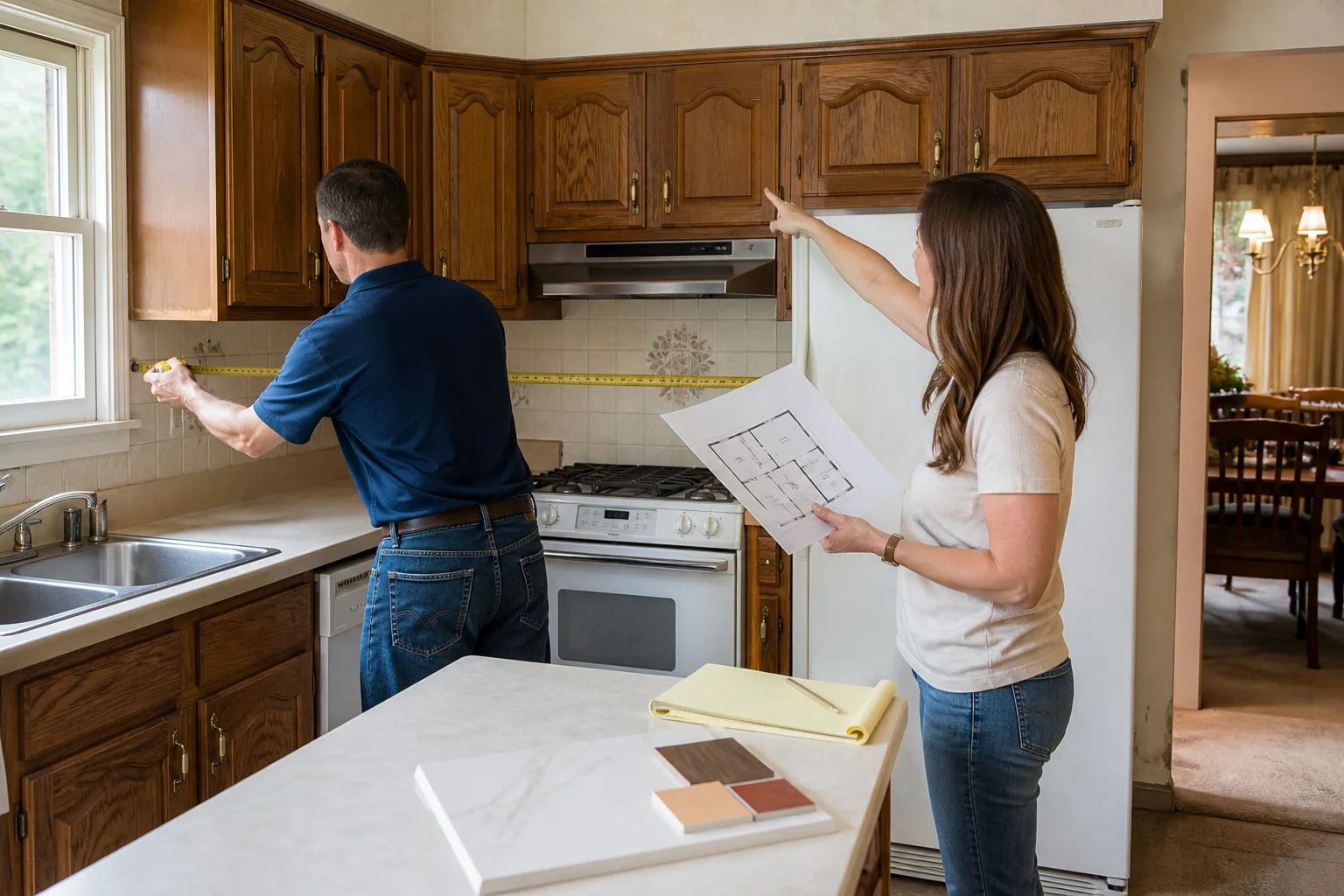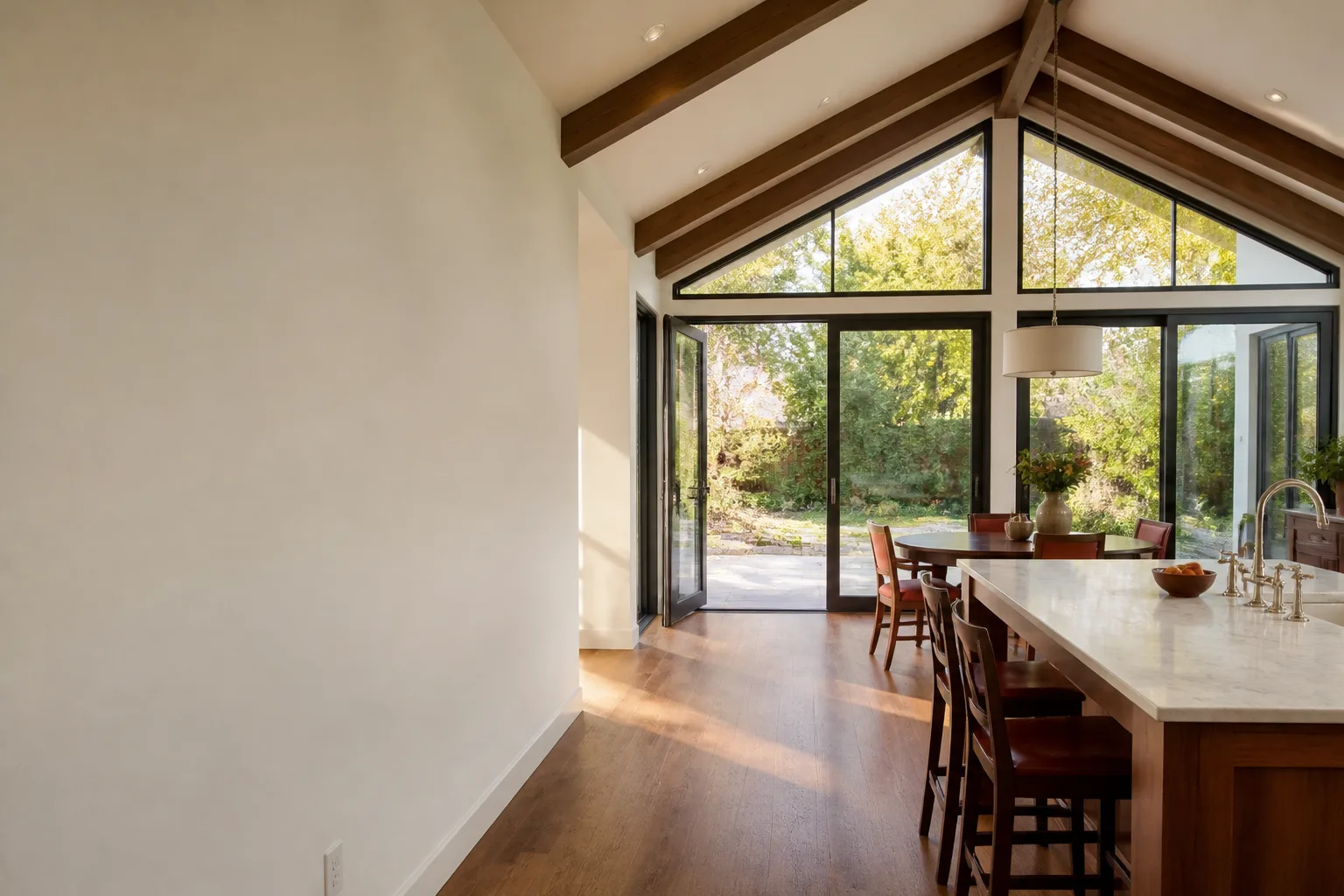
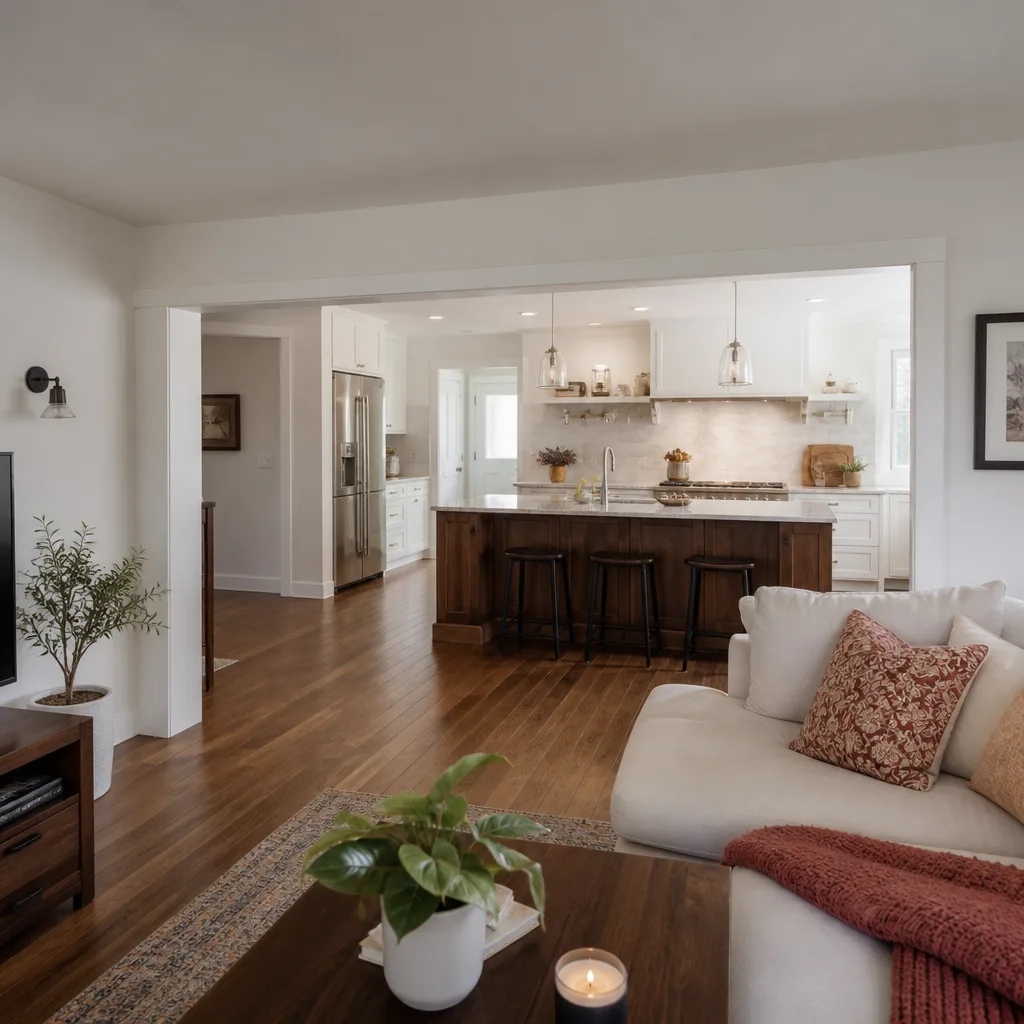




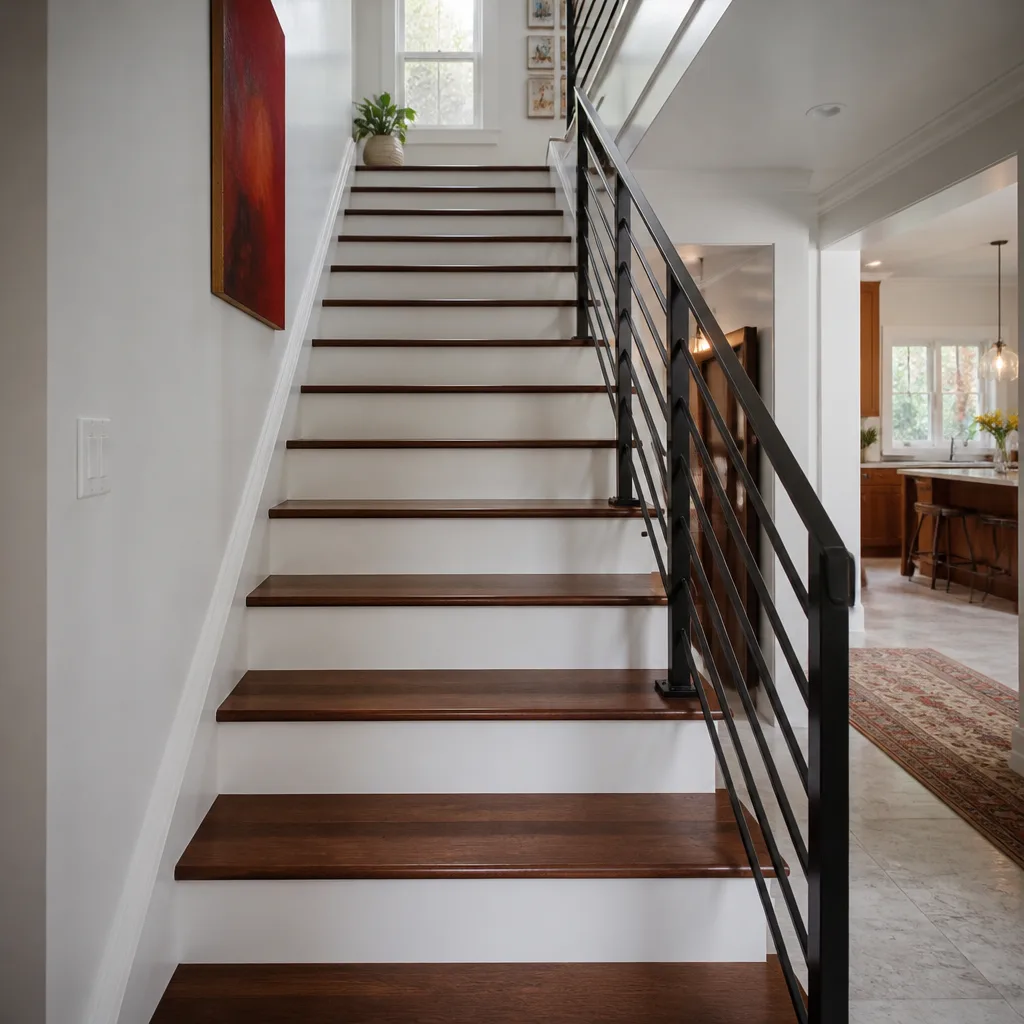
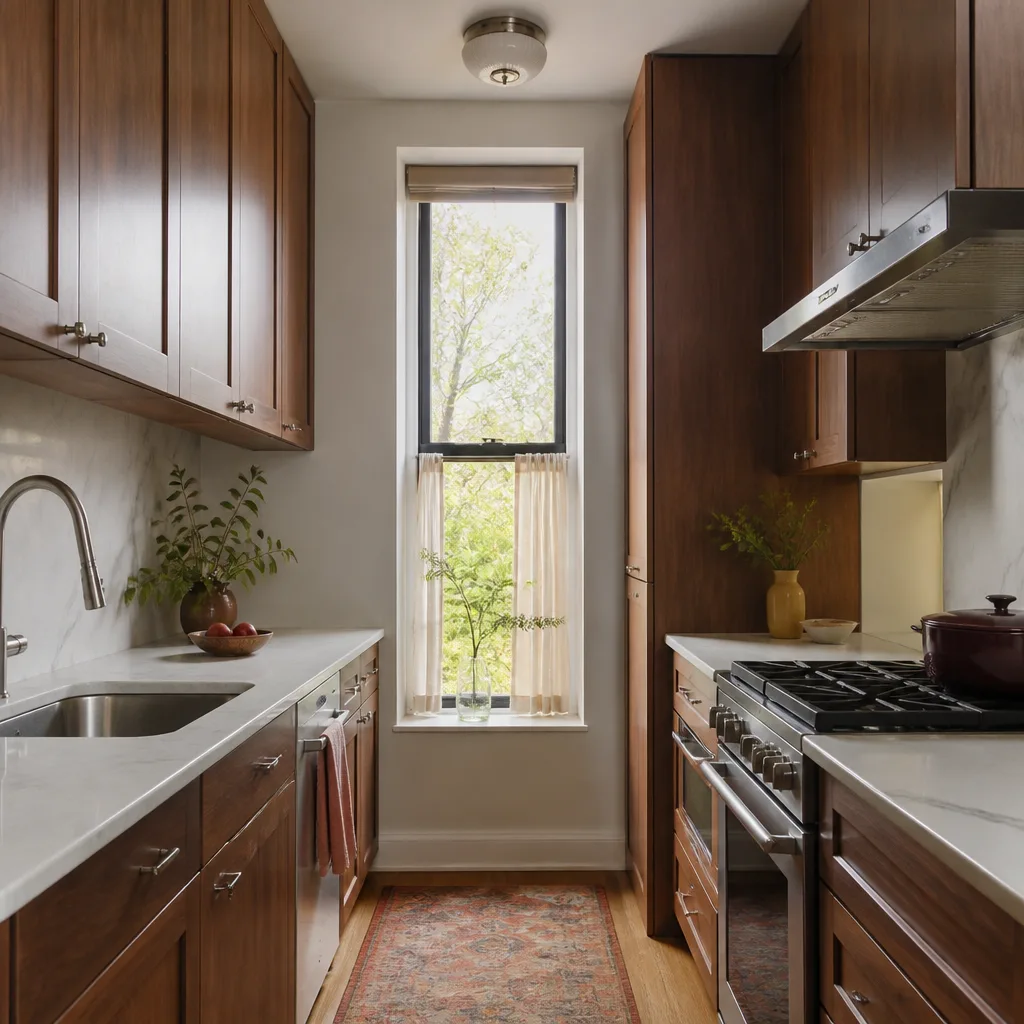

Free written scope consultation - allowances, timeline, and change-order rules on paper before a single trade is scheduled
Styles & brands we work with
- Kitchen remodeling
- Bathroom remodeling
- Home additions & ADU
- Roofing
- Windows & doors
- Driveway & pavers
- Fence
See the difference
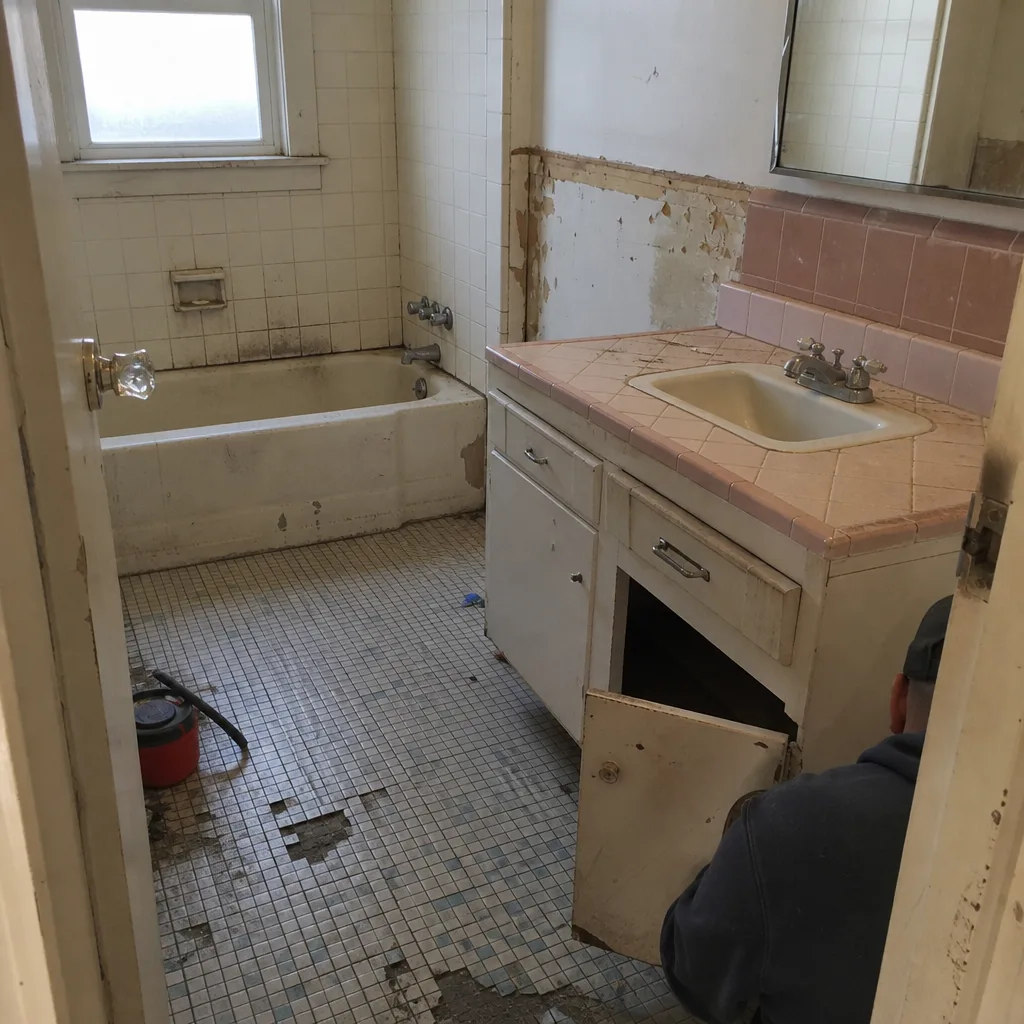 Before
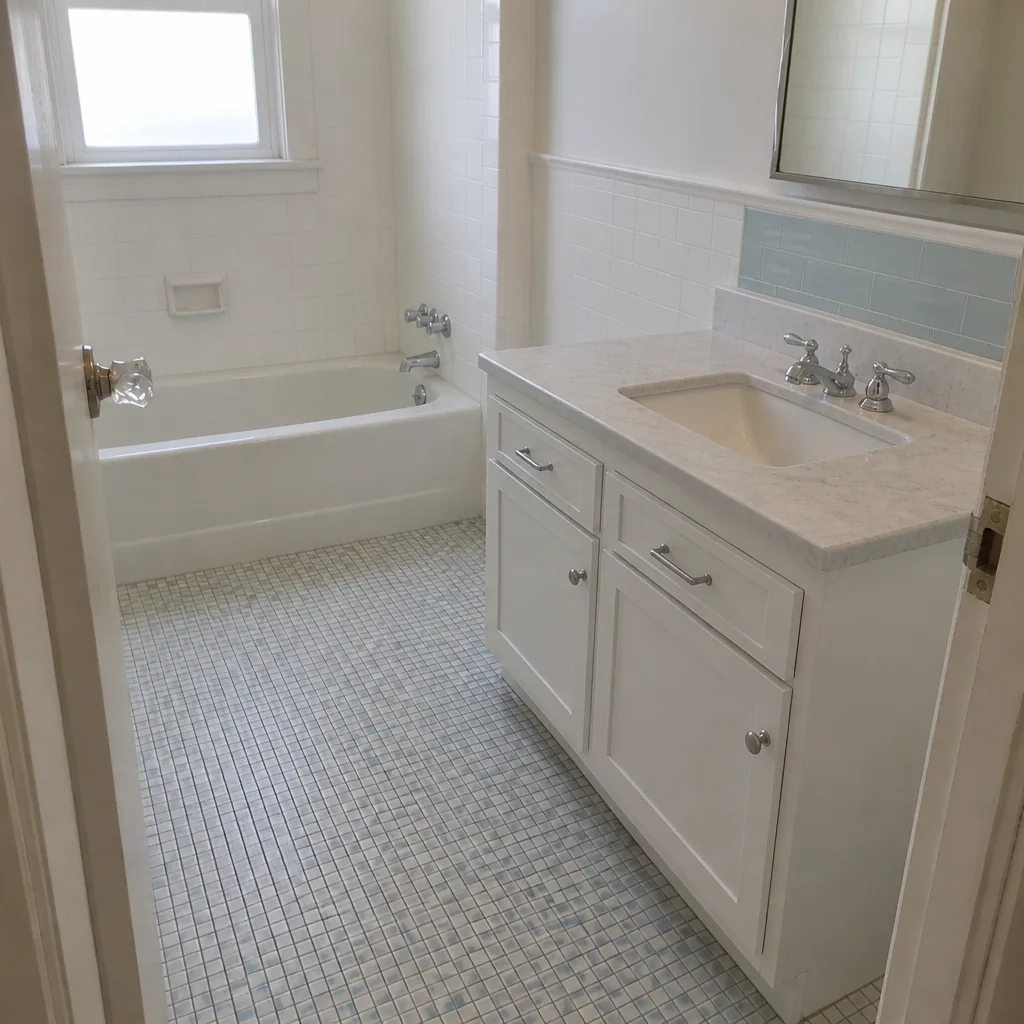 After
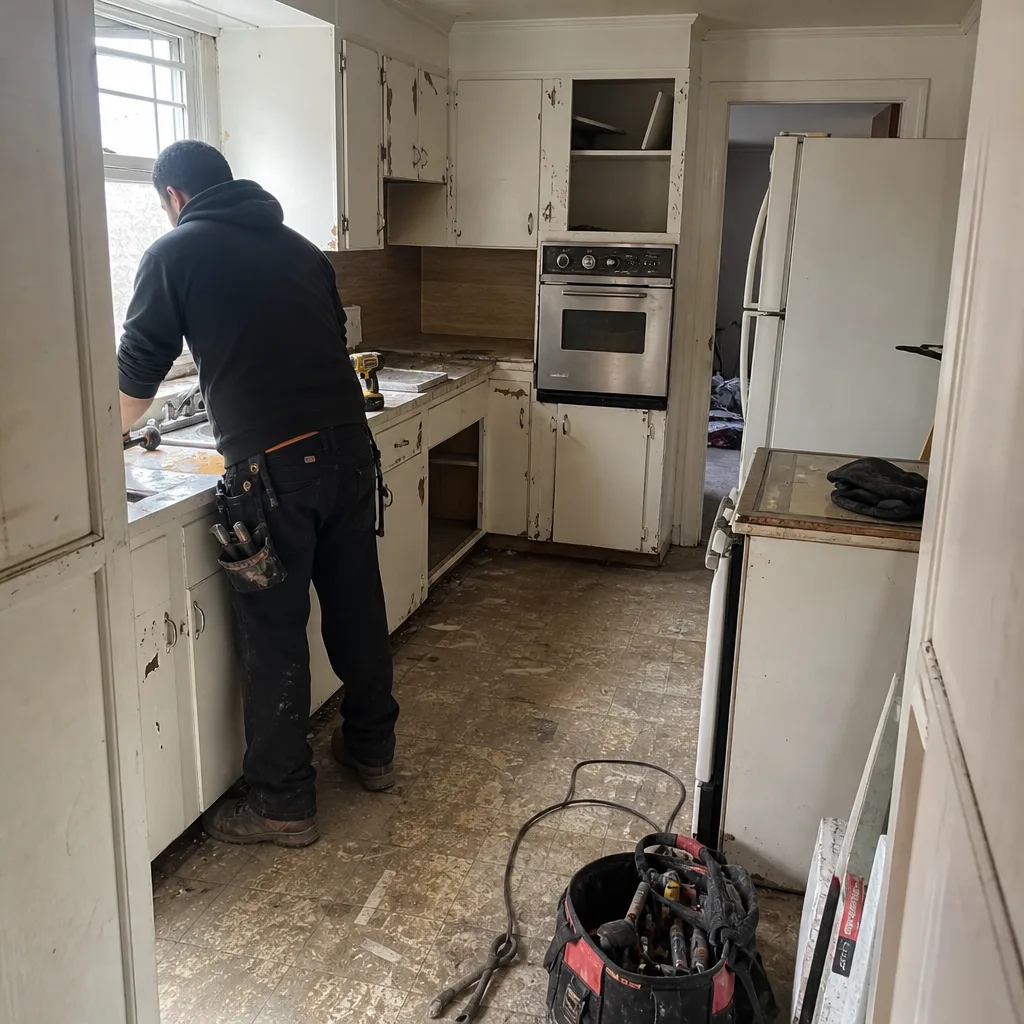 Before
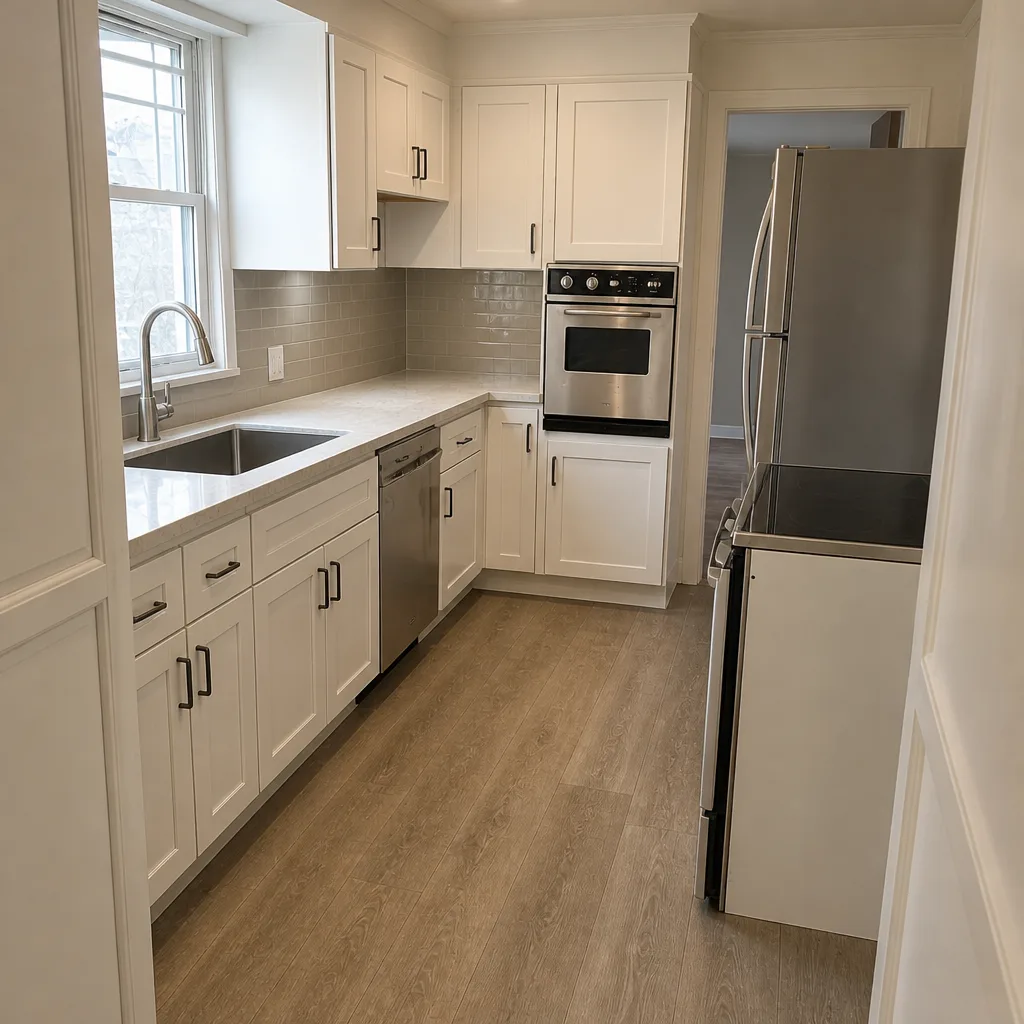 After
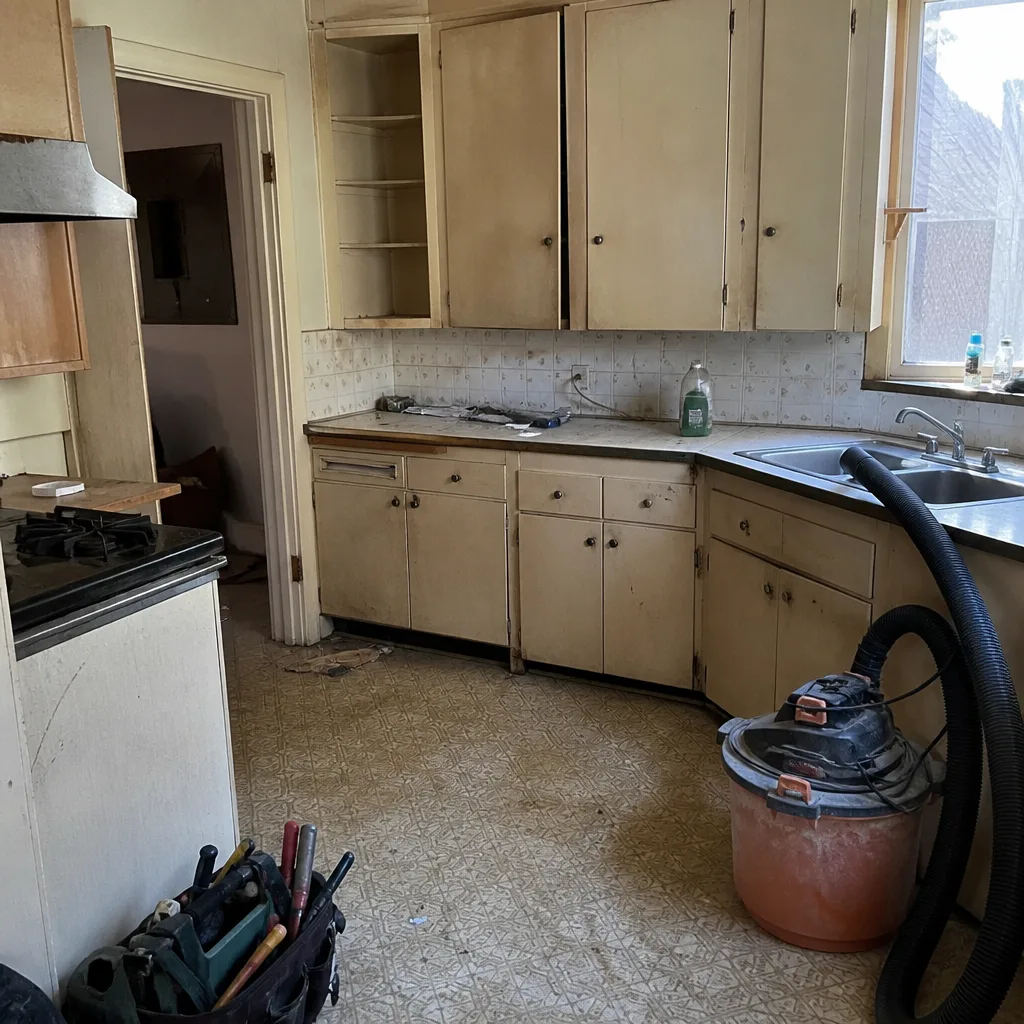 Before
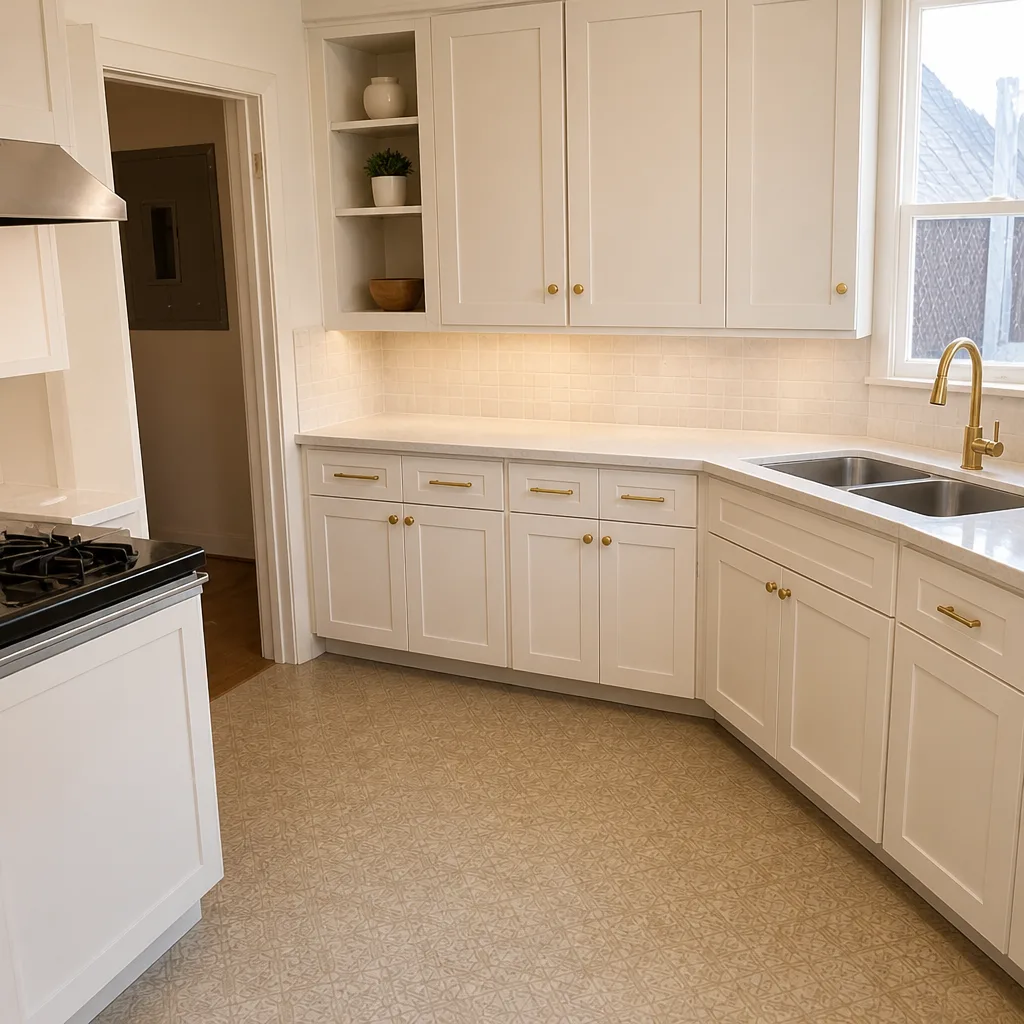 After
What Does a General Contractor Do? A Behind-the-Scenes Look at an Oakland Remodel
A general contractor (GC) runs the entire remodel: they pull and manage the permit, hire and sequence the licensed trades, coordinate inspections, and answer for the work when something goes wrong. On an Oakland project the invisible half of that job is the waiting – tracking permit review, chasing an inspector’s calendar, and re-sequencing subs when a schedule shifts. When your Oakmore kitchen stalls for three weeks, it’s usually not because someone is slow. It’s because a city reviewer juggling hundreds of active projects hasn’t cleared your permit yet, and your GC is the one standing between you and that backlog. Call (888) 403-1237 to talk a project through.

What Oakland Actually Throws at a Remodel
Oakland is not a flat canvas. A lot of the housing in Temescal and Rockridge and the streets between dates to the 1900s-1920s – Victorian and Craftsman bungalows with the original knob-and-tube wiring, cast-iron drains, and unreinforced foundations still in the walls. That matters for what a GC does because half the early work is discovery: opening a wall and finding a 1912 drain line changes the plumbing scope, the inspection list, and sometimes the budget conversation.
The hills ask different questions. After the 1991 firestorm, rebuilds in the Oakland Hills had to meet fire-resistant material and defensible-space standards, and those wildland-urban interface (WUI) codes still govern work up there in ways they simply don’t down in the flatlands. Meanwhile the city’s neighborhood-specific zoning and historic rules, especially around ADUs and hillside projects, mean two jobs a mile apart can require entirely different paperwork. A GC who works Oakland regularly knows which reviewer handles what and which code section is likely to trip a plan check before it does.
What a GC Does Hour by Hour: the Working vs. Waiting Timeline
The clearest way to answer “what does a general contractor do” is to show where their time actually goes. On a typical Oakland remodel it splits into active work and waiting – and recognizing the difference is how you know whether a stalled project is normal or a problem.
- Permit submission. Your GC assembles the drawings, engineering, and scope, then submits. From here the plan sits in the city’s review queue. This is waiting, not working – and it’s the single most common source of an early delay.
- City review. A reviewer with a deep caseload returns corrections or clears the set. Your GC responds to plan-check comments, revises, and resubmits. More waiting, broken up by bursts of real work answering each comment.
- Subcontractor sequencing. Once you have a green light, your GC books the trades in the right order – demo, framing, rough plumbing and electrical, then inspection, then finish trades. This is active, continuous work and where a sharp GC saves you weeks.
- Inspection scheduling. Rough-in and final inspections each need to be booked and passed before the next layer goes on. Your GC works the inspector’s calendar and coordinates the subs so nobody is standing around billing you to wait.
- Closing out. Punch list, final inspection, and the documentation you’ll want if you ever sell.
When you can see that a two-week gap is permit review and not a crew sitting idle, the project stops feeling like it’s failing. A GC’s job is to make that distinction visible to you – and to spend the waiting time lining up the next phase so the active work runs without a stall.
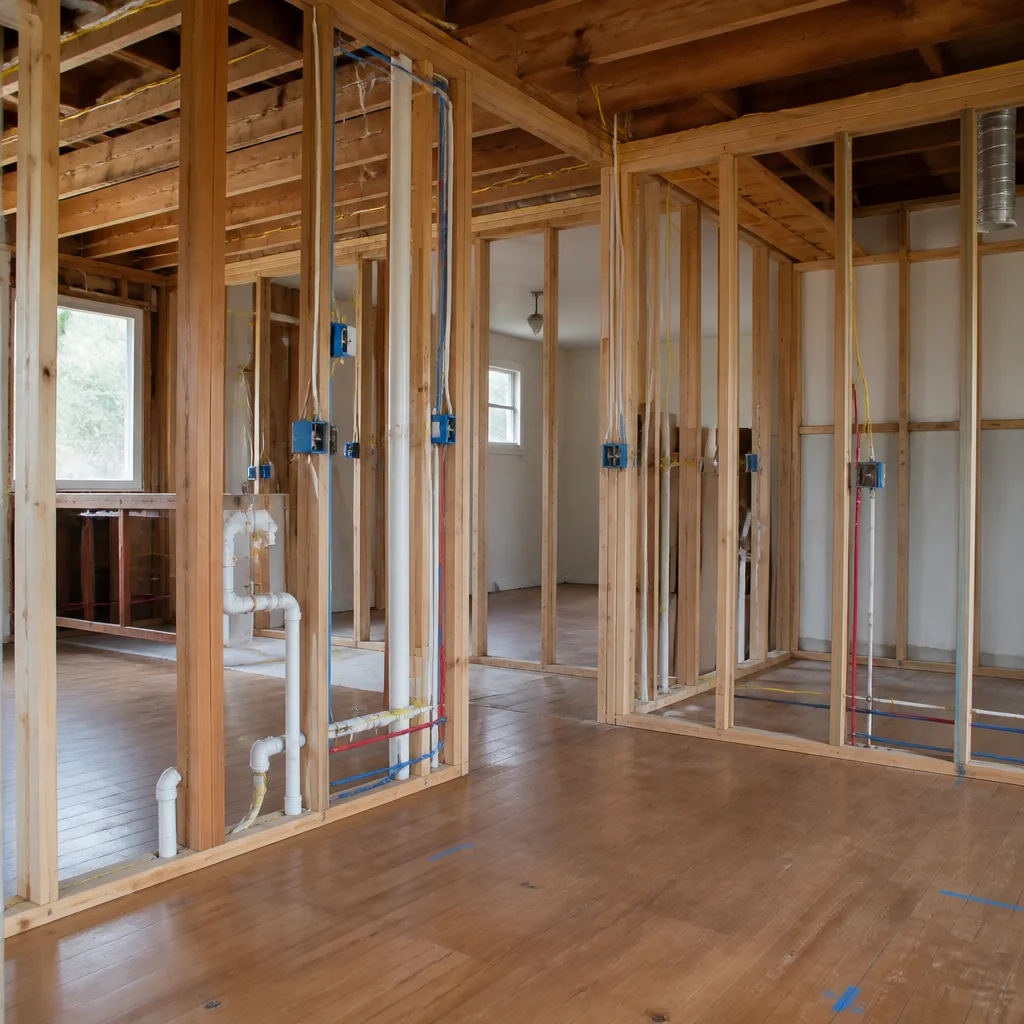
The Part Nobody Talks About: Seismic and WUI Sign-Offs
Ask what a GC does that a handyman can’t, and in Oakland the honest answer starts with structural sign-offs. For any structural work – a wall removed, a foundation retrofitted, a hillside addition – California’s Title 24 energy rules and Oakland’s local amendments require specific engineering stamped into the permit file. The GC is the person responsible for getting the right licensed engineer on the job and making sure that engineering lives in the permit set, not in a text thread.
In the hills, the sign-off burden grows. A GC working a WUI-zone project has to coordinate CAL FIRE defensible-space requirements and confirm the materials actually specified – James Hardie fiber-cement siding for its fire performance, ember-resistant vents, the right roofing class – are documented in the permit drawings before an inspector ever shows up. Specify the wrong material and you’re pulling it back out. A GC who’s done this in the hills will have those conversations during design, not after framing.
This is also where the difference between a GC, a project manager, and an owner-builder gets concrete. A project manager schedules; a GC carries the permit liability. If you self-manage subs to save money and the framing inspection fails or the engineering was never filed, the correction is yours to own – the sub has been paid and moved on. That risk, not the coordination, is what you’re really buying.
What Does a General Contractor Cost in Oakland?
You don’t pay a GC a salary – you pay for the whole scope, with their coordination built into the project price. Here’s what the full jobs typically run in Oakland, so you can see where your money goes rather than guess.
| Project | Typical Oakland range |
|---|---|
| Kitchen remodel | $14,000-$45,000 |
| Small kitchen remodel | $9,000-$20,000 |
| Bathroom remodel | $9,000-$28,000 |
| Walk-in shower installation | $4,500-$12,000 |
| Home addition | $45,000-$130,000 |
| ADU construction | $90,000-$220,000 |
| Garage conversion | $30,000-$80,000 |
What drives the number up or down is mostly the invisible work: how much structural correction the old house hides, whether the permit set needs engineering, and how many inspections the scope requires. That’s why a written price up front matters. Penhallow Remodeling Oakland puts that number in writing before any work starts, backed by the 365-Day Done Right Promise – if something fails inside that year, we come back and fix it at no charge. We install products with their own layers of protection too, like Moen and Kohler fixtures, so the guarantee has something solid behind it. Our technicians have up to 22 years of experience, and they arrive background-checked and in uniform. You can start with the home page to see the full scope of what we handle.
Why “a Live Person Answers 24/7” Actually Matters Mid-Project
Here’s a first-hand detail that rarely makes it onto a contractor’s website: the coordination work doesn’t stop at 5 p.m., and a lot of it lands on the GC absorbing other people’s problems. A sub calls in sick the morning of a rough-in. An inspection gets rescheduled a week out. A delivery shows up wrong. In each case someone has to answer, decide, and re-sequence before the day is lost. When we say a live person answers our phone 24/7, that’s what it means for you – not a voicemail maze or a callback window, but a real answer when a mid-project wrinkle hits at an inconvenient hour. It’s a small thing until it’s your kitchen.
FAQs
A GC manages the whole project and holds the permit, while each subcontractor handles one trade. Your GC pulls and tracks the permit, hires and sequences the licensed trades, books and passes inspections, and stays accountable for the finished result – the electrician wires and leaves, but the GC answers for the job.
You can, but the savings are often eaten by permit liability. When you self-manage subs, the engineering sign-offs, inspection corrections, and code compliance become your responsibility – and if a framing inspection fails after the sub has been paid, the fix is on you. For structural or hillside work in Oakland, that risk usually outweighs the coordination you save.
It’s most often the city’s permit review queue, not a slow crew. A plan set sits with a reviewer handling a large caseload of active projects, and your GC’s job during that window is to respond to plan-check comments fast and line up the next phase so work starts the moment it clears. Call (888) 403-1237 and we’ll walk you through where a project like yours tends to stall.
Yes – WUI-zone projects in the hills generally require fire-resistant materials and documented defensible-space measures that flatland jobs don’t. That means getting James Hardie siding, ember-resistant vents, and the right roofing class written into the permit set during design, not discovered at inspection.
If you’d rather have it looked at, Penhallow Remodeling Oakland offers a no-pressure assessment in Oakland – call (888) 403-1237 for a free estimate. We’ll give you a written price and a real arrival window before anything gets pulled or set.
Written by the team at Penhallow Remodeling Oakland, serving Oakland, CA.