Last updated November 18, 2026








Free written scope consultation - allowances, timeline, and change-order rules on paper before a single trade is scheduled
The Complete General Contractor Guide for Oakland Homeowners
Oakland issued over 4,200 residential building permits last year. That number says something about the city’s housing stock: people here renovate. But the same contractors who pull permits in San Jose, Sacramento and San Francisco will tell you the Oakland permit portal is one of the most confusing in the Bay Area to work through. Which means your general contractor’s actual familiarity with the Oakland Building Services Division, not just their license number, is a qualification worth asking about. In this guide we’ll walk through how Oakland’s tiered permit process affects your timeline, why seismic retrofit requirements can surface mid-remodel, the exact CSLB numbers to verify before anyone steps on your property, how to read a written estimate line by line, and the subcontractor questions most homeowners forget to ask. It’s written from the practical side of the table, for a city where the hills, the flats and the plate boundaries all shape what a remodel costs.
Quick Answer
Hiring a general contractor in Oakland means verifying three things first: a current CSLB license, active general liability insurance and a workers’ compensation policy, then confirming the contractor actually knows Oakland’s permit tiers and seismic requirements. Most standard residential remodels in Oakland require a building permit, and any project touching structural walls, foundations or adding square footage triggers plan review that adds weeks to your start date. A written estimate with line-item allowances and a clear scope-change process separates a contractor you can hold to a number from one who revises the price after demo.
Styles & brands we work with
- Kitchen remodeling
- Bathroom remodeling
- Home additions & ADU
- Roofing
- Windows & doors
- Driveway & pavers
- Fence
Table of Contents
- How Oakland’s Permit Process Works (And Why It’s Different)
- Seismic Retrofit: What Oakland Requires and When It Comes Up Mid-Remodel
- License, Bond and Insurance: What to Verify on the CSLB Site
- How to Read an Oakland Contractor’s Written Estimate Line by Line
- Subcontractors: Why Most Oakland GCs Don’t Self-Perform Every Trade
- Questions to Ask Before You Sign
- Neighborhood-by-Neighborhood Realities
How Oakland’s Permit Process Works (And Why It’s Different)
Most California cities put residential permits into two buckets: over-the-counter and plan review. Oakland layers a third reality on top: the tier depends not just on the project type but on the specific zone, the age of the structure and whether the work touches anything the city considers “structural.” A bathroom refresh that leaves the plumbing rough-in alone can frequently go through as a simple interior alteration. A kitchen remodel that moves a load-bearing wall between the kitchen and dining room goes to full plan review, and the clock restarts.
What that means for your timeline, in rough terms:
- Over-the-counter permits (cosmetic bathroom updates, replacing a water heater, non-structural fixture swaps) can clear in a single visit if the paperwork is clean.
- Express or standard plan review for interior alterations typically runs several weeks, longer during the spring and summer crunch when contractors submit hardest.
- Full plan review for additions, structural changes or anything affecting egress, firewall or seismic compliance can run two to four months in Oakland depending on the review queue.
The single biggest cause of a stalled Oakland permit is a submittal package that misses something on the first pass. Old drawings, missing site surveys for pre-1950 homes, structural calcs submitted without a stamped engineer’s letter: each sends the file back to the bottom of the line. A contractor who has pulled Oakland permits recently will know which forms trip the reviewers most and will build that into the estimate schedule, not discover it after you’ve paid a deposit. When you interview, ask directly: “How many Oakland permits have you pulled in the last twelve months, and how long did each take?” The answer tells you more than a website bio.
Seismic Retrofit: What Oakland Requires and When It Comes Up Mid-Remodel
Oakland sits close enough to the Hayward Fault that seismic retrofit isn’t a hypothetical. The city has its own soft-story ordinance for certain multi-unit buildings, and for single-family homes, retrofit work shows up in two separate contexts: as a chosen upgrade, and as a code-triggered requirement that surfaces mid-remodel.
The second case is where budgets break. When you pull a permit to open walls, add square footage or substantially alter a structure, a plan reviewer can determine that the new scope requires bringing the existing foundation, cripple walls or bolting up to current seismic standards. This isn’t the city being difficult. It’s a consequence of the alteration triggering a re-examination of the whole structure. Homes built before 1960, which is a large share of the housing in West Oakland, Fruitvale and the flatlands near Lake Merritt, are the most likely candidates.
A written contract should address this before demo, not after. Look for these three things:
- A pre-construction acknowledgment of possible seismic scope. If the contractor promises a fixed price with no mention of seismic, that’s not confidence, it’s a gap.
- A written change-order process with a pricing formula. The contract should state how scope changes get priced before work proceeds, not leave it to “we’ll figure it out.”
- A contingency line in the budget. A real Oakland remodel budget carries a contingency of 10 to 15 percent for exactly this reason, distinct from the contractor’s own overhead.
Homes in the Oakland hills also sit in the Very High Fire Hazard Severity Zone, which affects exterior materials on additions. James Hardie fiber-cement siding and rated exterior assemblies are routine requirements there. A contractor who already knows this won’t discover it when the plan reviewer does.
License, Bond and Insurance: What to Verify on the CSLB Site
Every general contractor working in California should hold an active license from the Contractors State License Board. The CSLB site (cslb.ca.gov) is free and indexed by license number. Before anyone steps on your property, look up the license and confirm four things on the record itself:
- License status is “Active.” A “Suspended” or “Canceled” license means they can’t legally contract with you, full stop.
- Bond is current. California requires contractors to carry a contractor’s bond, and the CSLB record shows the bond’s status and expiry.
- Workers’ compensation coverage is listed as “Exempt” only if they have no employees. If they tell you they have a crew but the record shows “Exempt,” that’s a red flag worth asking about directly.
- The classification matches the work. A general building contractor (B license) is appropriate for a whole-home remodel. A trade-specific contractor should not be taking on scope outside their license.
Ask for the certificate of general liability insurance separately, made out in the name of the entity that will sign your contract, and ask for the coverage limits in writing. Then call the insurer’s number on the certificate and confirm it’s current. This sounds excessive. It isn’t. It’s the five minutes that prevents the worst-case scenario where a mid-job injury or property damage becomes your insurance claim. A legitimate Oakland contractor will hand you these documents without friction; the ones who resist aren’t worth your time.
How to Read an Oakland Contractor’s Written Estimate Line by Line
The difference between a good estimate and a bad one isn’t the total on the bottom. It’s the specificity of the lines above it. A verbal ballpark from a contractor who’s been “doing this for years” tells you nothing about what happens when they pull the counters and find water damage at the sink cabinet.
Here’s what a written estimate worth the paper should contain:
- Itemized labor and materials. Not “kitchen: $40,000,” but “demo and haul-away, framing modifications, electrical rough-in, drywall, cabinetry (specify brand and door style), countertops (specify material and brand), tile, plumbing fixtures, painting, final cleanup.”
- Named product lines. If the cabinet line is KraftMaid or Wellborn, name it. If the countertop is Cambria quartz or Silestone, name it. A contractor who isn’t willing to commit to a brand in writing is leaving themselves room to substitute.
- Allowances with a defined overage procedure. This is where budgets break. “Allowance for tile: $2,000” is fine if it’s tied to a square-foot rate and a written change order for anything above it. It’s a trap if the number is a guess that gets replaced by the real price after you’ve fallen in love with a specific slab.
- Exclusions listed explicitly. What the contractor will NOT do (paint touch-up after counter installation, landscape restoration, permits for the fence, etc.). Every exclusion named now is one that doesn’t become an argument later.
- Schedule with a defined start window. Not “we’ll start in six weeks.” A written start date range and a completion estimate.
- Payment schedule tied to milestones. Draws should be against completed phases of work, never upfront for materials that haven’t arrived.
Take the estimate home and read it twice. If a line makes you feel uncertain, ask the contractor to explain it, not to “fix it.” The way they respond to “I don’t understand this allowance” tells you exactly how they’ll respond to “there’s a problem with the tile install.”
Subcontractors: Why Most Oakland GCs Don’t Self-Perform Every Trade
Very few general contractors in Oakland perform their own electrical, plumbing, HVAC and tile-setting. The licenses require separate trades, and most GCs coordinate them rather than hold multiple licenses. This isn’t a weakness. It’s normal. But it means the subcontractor relationships your GC maintains are a real part of your job’s quality.
Ask these questions before signing:
- Who will actually be doing the electrical and plumbing? Get the names of the subcontractors and their license numbers. Both should be on the CSLB.
- Are the subs background-checked? Ask plainly. A GC whose subs are vetted has a process for it and will tell you. One who shrugs is telling you something too.
- Who’s the point of contact during the job? The person running the job site should be reachable by phone, not through a dispatcher who transfers you to a voicemail.
- Who’s responsible if the tile setter’s work fails? The answer should be “us.” If your contractor pushes responsibility to the sub, you’ve just lost your warranty layer.
- Do they guarantee the finished job as a whole, or per-trade? A written guarantee covering the whole job (not just cabinets, not just plumbing) is the only one that matters when something fails.
One structural detail to understand: even when a GC coordinates ten subs to remodel a kitchen, they are still your single contract counterparty. If the drywall guy’s texture doesn’t match, that’s your GC’s problem to fix, not yours. Make sure the contract says so.
Questions to Ask Before You Sign
Bring these five questions to every interview. The answers matter less than the ease with which the contractor gives them. If any of them is met with irritation, you’ve learned what you needed to know.
- “Can I see your CSLB license and insurance certificate right now?” The right answer is a folder on the table.
- “Who will be on site, and will they be in uniform?” You want to know who’s coming into your home. Vague answers here are a bad sign.
- “What’s your process for scope changes once work starts?” A written change order process is the answer. A verbal “we’ll sort it out” is not.
- “What does your guarantee cover, and for how long?” Ask for it in writing. “We stand behind our work” means nothing until it’s a document.
- “Can I call you after the job and get a real person?” Listen for whether the answer is a phone number or a story.
Our team answers calls around the clock because the questions homeowners have at 9 p.m. about a project starting Monday are exactly the ones that need a live person on the line. That’s not marketing; it’s the way we operate.
Neighborhood-by-Neighborhood Realities
Oakland’s housing stock varies enough between neighborhoods that a general scope of work that fits one area often misses details specific to another. A few things we look for when assessing a remodel:
- Rockridge and Temescal: Much of the 1910s-1930s bungalows and four-squares here have been renovated at least once already, which means you can’t assume original plumbing or electrical behind the walls. Open up the wall, and you meet someone else’s decisions. A good estimate accounts for a certain amount of re-work regardless of what’s visible.
- West Oakland and Fruitvale: Older housing stock, frequently with foundation systems that haven’t been retrofitted. Permitted structural work triggers an examination of the whole foundation. Budget the seismic contingency.
- Oakland Hills: Very High Fire Hazard Severity zoning affects exterior materials. Landscape and drainage around hillside homes are more sensitive to grading and slope work. Roofing and siding get scrutinized more closely.
- Lake Merritt and Adams Point: Condo and co-op associations add a whole layer of approval on structural and common-wall work. Build that review into your schedule.
- Maxwell Park and Dimond: Mid-century stock here has its own quirks: shallow closets, plaster walls, HVAC ducting that wasn’t sized for a modern system. A bathroom remodel in one of these homes often means redoing the entire plumbing rough-in even when nothing’s leaking.
The short version: if your contractor doesn’t know which decade most of the homes on your block were built, and doesn’t ask, they’re going to learn on your project’s dime.
Common Mistakes to Avoid
- Accepting a verbal estimate. A number recited over coffee isn’t a price; it’s a wish. Get the number on paper before work starts, with the line items spelled out. The number on day one should be the number on the invoice, and the only way to hold a contractor to that is to have it in writing.
- Skipping the CSLB lookup. It takes three minutes and saves entire remodel budgets. A suspended license means they can’t legally contract with you, and the contract isn’t enforceable.
- Treating allowances as real prices. An allowance is a placeholder. Ask how overages get priced and get that procedure in writing. Allowances without an overage process are the single most predictable way budgets break in an Oakland kitchen remodel.
- Assuming seismic won’t apply. If your home is pre-1960 and you’re pulling a permit for structural work, assume the reviewer will require some level of retrofit. Build that cost into the contingency line, not into the “we’ll deal with it” bucket.
- Hiring on the lowest bid. The lowest bidder on a five-figure remodel is usually the one who’ll find reasons the number wasn’t real after demo. Read the estimate line by line, not the total.
- Not asking about subcontractor vetting. Your electrical, plumbing and HVAC work will be done by subcontracted trades. Ask who they are, whether they’re background-checked and how the contractor’s guarantee covers their work.
- Ignoring the hillside specifics. Fire-rated exterior materials, drainage and grading details around a hillside home aren’t optional in the Oakland hills, they’re code. A contractor who hasn’t accounted for them is a contractor who hasn’t done much hillside work.
See the difference
 Before
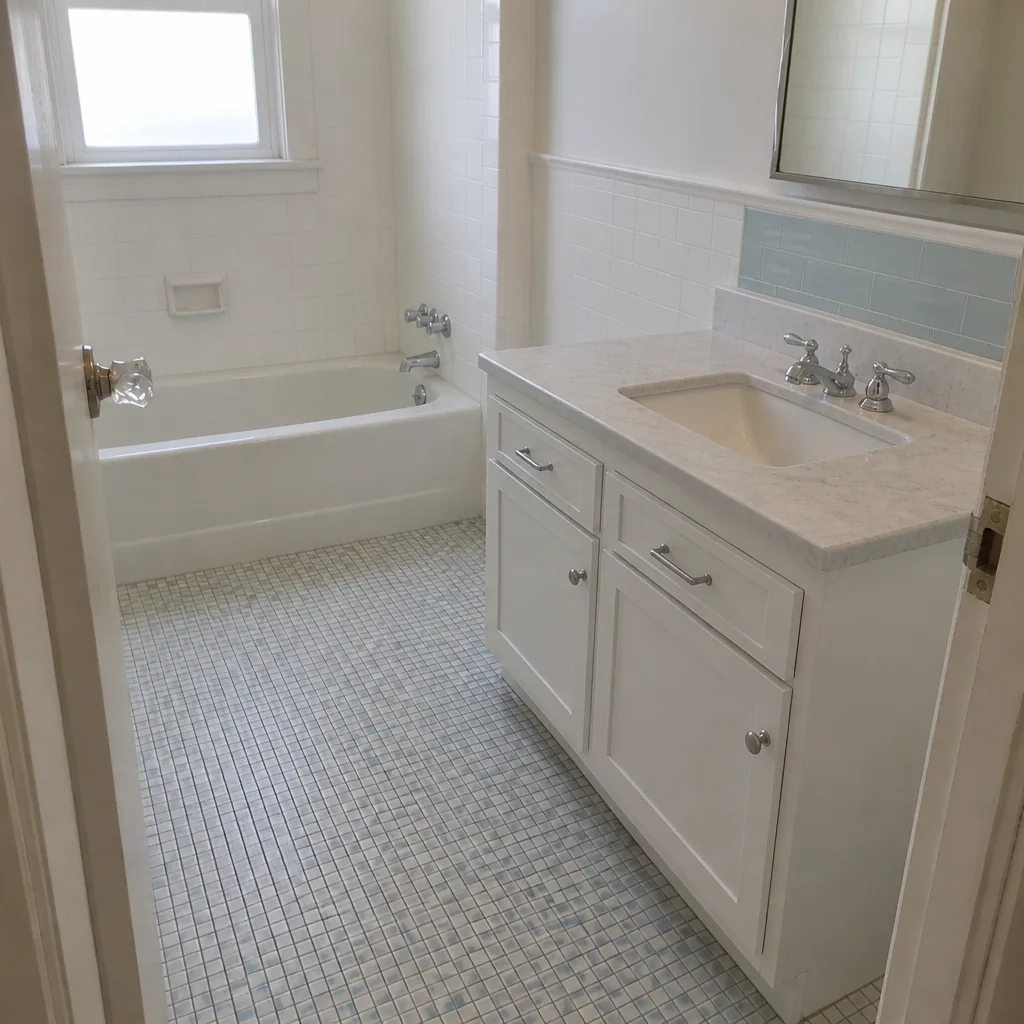 After
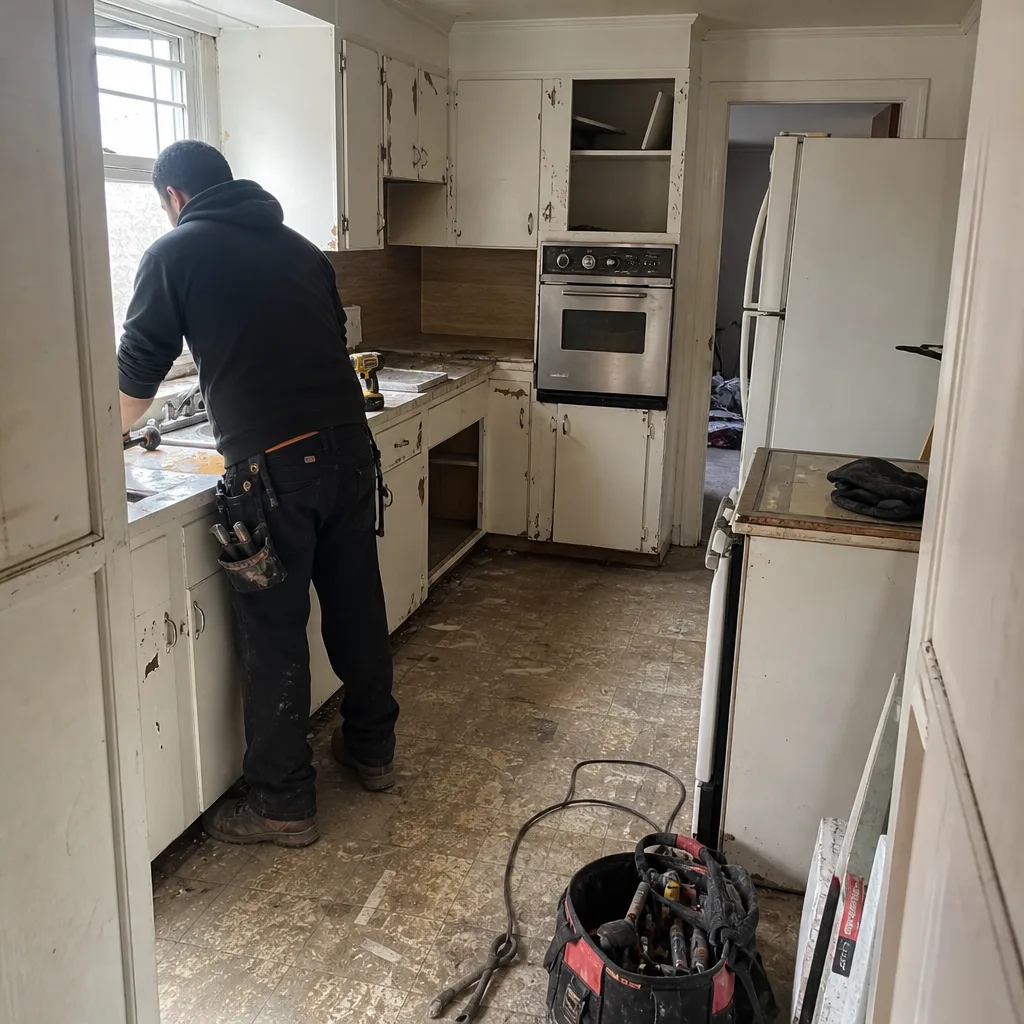 Before
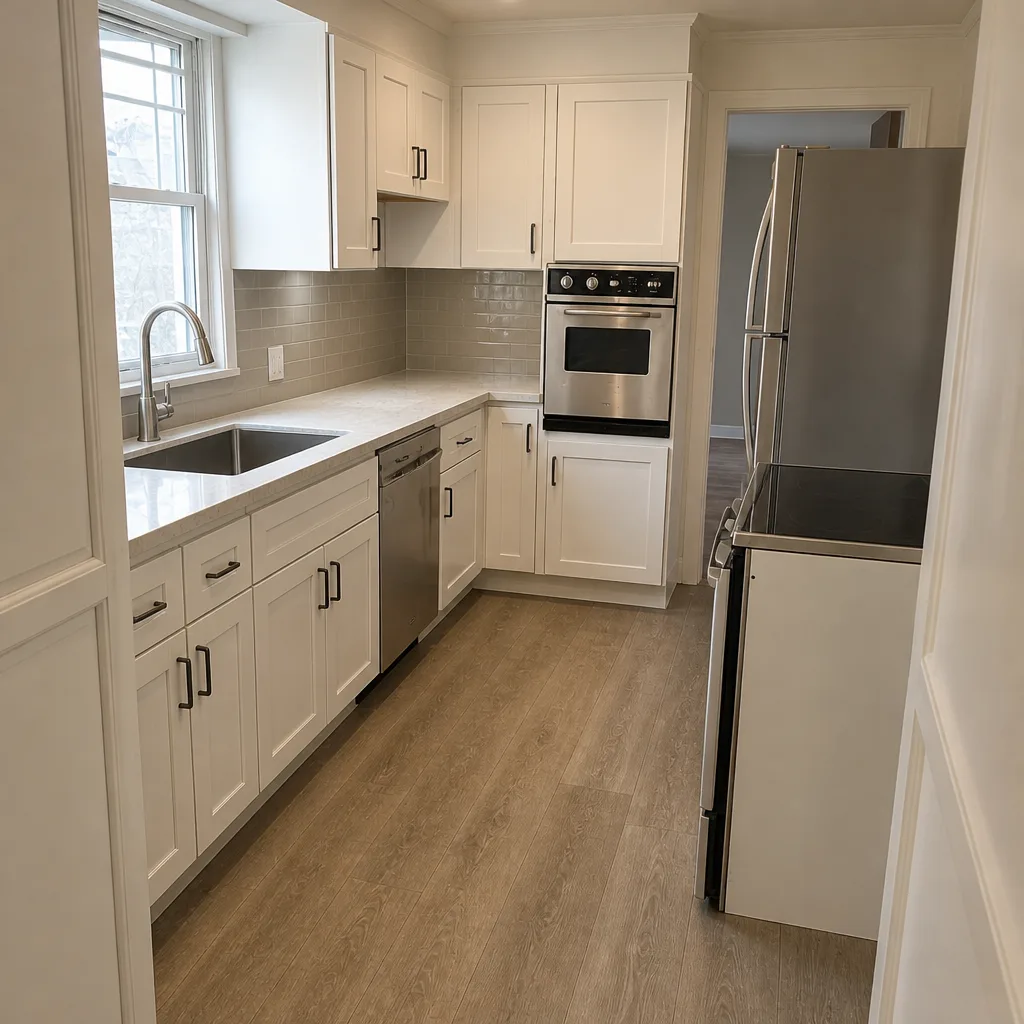 After
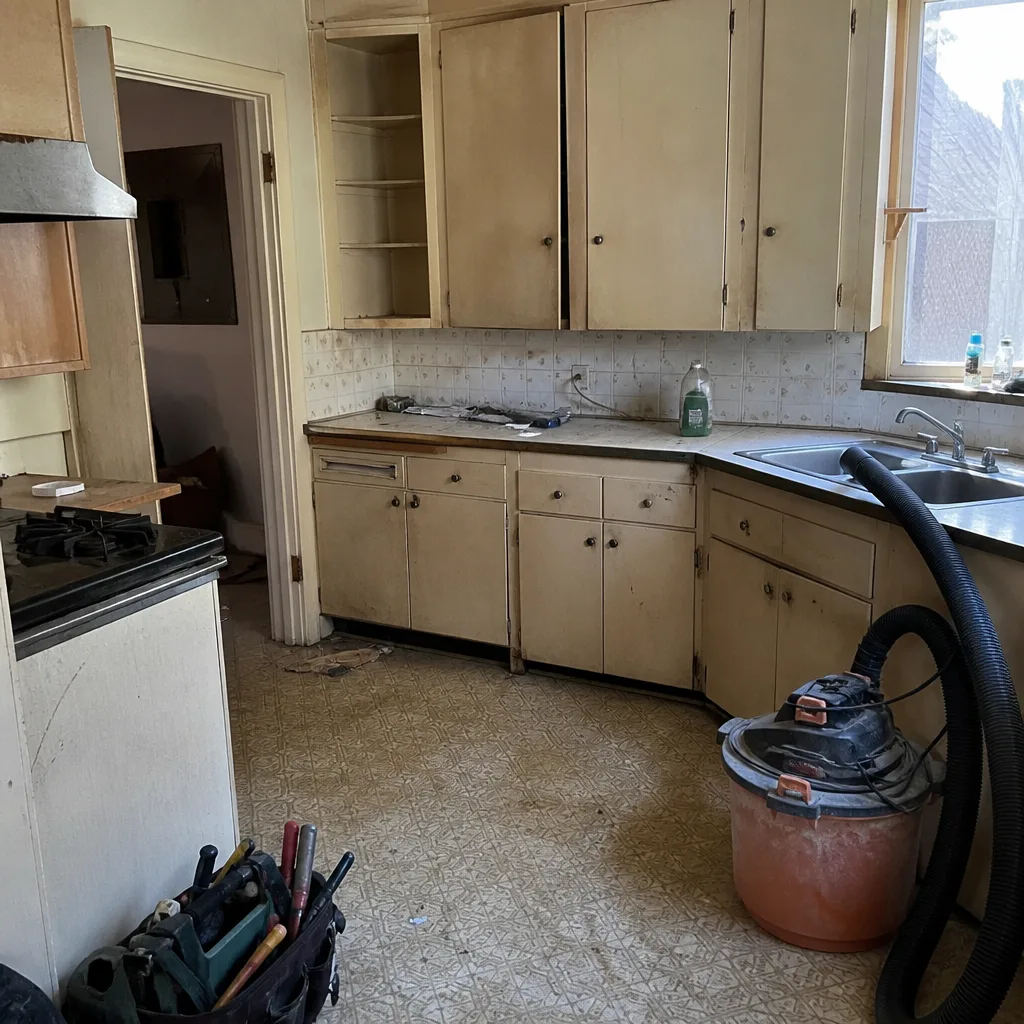 Before
 After
When to Call a Professional
Some jobs are good candidates for a careful homeowner with time, tools and patience. Others aren’t. Anything that touches the electrical panel, gas lines, structural walls, plumbing rough-in or the foundation should go to a licensed general contractor with the right subs behind them. The same goes for a kitchen where you’re moving a range or relocating a sink, a bathroom where you’re altering the shower footprint, or any project that requires pulling an Oakland permit. Seismic retrofit work in a SF Bay home is not a weekend project, even for the capable; it’s a code compliance job with an inspector who will sign off on it. When your project needs a permit, needs a schedule and needs a written price, that’s when calling a professional saves more than it costs.
Penhallow Remodeling Oakland offers free estimates in Oakland. Give us a call at (888) 403-1237 and we’ll talk through your project, walk you through what the estimate will cover, and give you a written number you can hold us to before a tool comes out.
Frequently Asked Questions

General contractor pricing in Oakland typically runs 15 to 25 percent above the material and labor cost of the work itself, which lands a kitchen remodel at roughly $22,000 to $60,000 and a bathroom remodel at $10,000 to $24,000 depending on layout, substrate condition, cabinet line and countertop material. Whole-home remodels start higher. The number that matters is the written estimate, and any honest contractor will put that in writing before work starts. Call (888) 403-1237 for a free estimate in Oakland.
Yes, in almost every case. Cosmetic changes like painting and floor covering don’t require permits, but anything that alters framing, electrical, plumbing, mechanical or the structural envelope does. Oakland’s permit tiers (over-the-counter, express review, full plan review) determine timeline more than project size. Call (888) 403-1237 and we’ll walk through which tier your project lands in.
Over-the-counter permits can clear the same visit if the paperwork is clean. Standard plan review for interior alterations typically runs several weeks, and full plan review for additions or structural work can run two to four months. A clean, complete submittal is the biggest variable. Call (888) 403-1237 to talk through your project’s likely timeline.
A written estimate is a line-item price for a defined scope. An allowance is a placeholder for a product where the final selection hasn’t been made, and the actual cost can come in above or below the allowance. Good contractors tie allowances to a written change-order process so you see overages before work proceeds. Ask to see that process before you sign. Call (888) 403-1237 for a free written estimate.
Possibly. If your home is pre-1960 and the permit scope involves structural or substantial alteration, an Oakland plan reviewer may require bringing the foundation, cripple walls or bolting to current seismic standards. A written contract with a seismic acknowledgment and a change-order process handles this before demo, not after. Call (888) 403-1237 to talk through your home’s specifics.
Go to cslb.ca.gov and look up the license number. Confirm the status is “Active,” the contractor’s bond is current, workers’ compensation coverage is listed, and the classification matches the work. Then ask for the general liability insurance certificate in writing and call the insurer to confirm it’s current. Call (888) 403-1237 and we’ll hand you ours before you ask.
The Bottom Line
Oakland isn’t a generic general contractor market. The permit tiers, seismic requirements, hillside fire ratings, neighborhood housing stock and the CSLB verification process all shape whether a remodel goes to plan or stalls. Get three things in writing before you sign: the license and insurance documentation, a line-item estimate with named products and a defined allowance process, and a written guarantee that covers the whole job. Our team has up to 22 years of experience with Oakland remodels, and every project carries the 365-Day Done Right Promise: if it’s not done right, we come back and make it right, at no charge. Call (888) 403-1237 to schedule a free estimate, get a written price before any work starts, and know exactly what you’re signing before the first cabinet comes down.
Written by the team at Penhallow Remodeling Oakland.