Last updated November 18, 2026






Free written scope consultation - allowances, timeline, and change-order rules on paper before a single trade is scheduled
Construction Warning Signs: An Oakland Homeowner’s Reference Guide
The contractor showed up on time, had a clean truck, and talked about your project with the confidence of someone who’s done it a hundred times. He still cost that Oakland homeowner $14,000 over his original verbal estimate, because nothing was in writing before the first cabinet came down. The expensive warning signs rarely look like a scam. They look like a professional who’s a little vague about price, a little loose about arrival windows, and a little slippery about what the warranty actually covers. This guide walks through the subtler red flags that cost Oakland homeowners real money, and what a legitimate contractor does instead.
Quick Answer
In Oakland, the biggest contractor red flags are a refusal to put a price in writing before demo starts, contracts with open-ended price-escalation or “at our discretion” warranty language, payment schedules that exceed the legal 10%-or-$1,000 upfront limit, and a CSLB license record with unexplained gaps or unaddressed complaints. A contractor who can’t name the number before the wall opens, or who treats the arrival window as a suggestion, is telling you something about the whole job.
Styles & brands we work with
- Kitchen remodeling
- Bathroom remodeling
- Home additions & ADU
- Roofing
- Windows & doors
- Driveway & pavers
- Fence
Table of Contents
- “We’ll Know the Real Price Once We Open the Wall”
- Contract Language That Signals a Warranty Is Unenforceable
- What an Illegitimate Subcontracting Arrangement Looks Like
- Reading a Contractor’s CSLB License History
- The Payment-Schedule Warning Sign
- When the Arrival Window Is a Suggestion
- Oakland-Specific Things That Change the Risk
- Common Mistakes to Avoid
“We’ll Know the Real Price Once We Open the Wall”
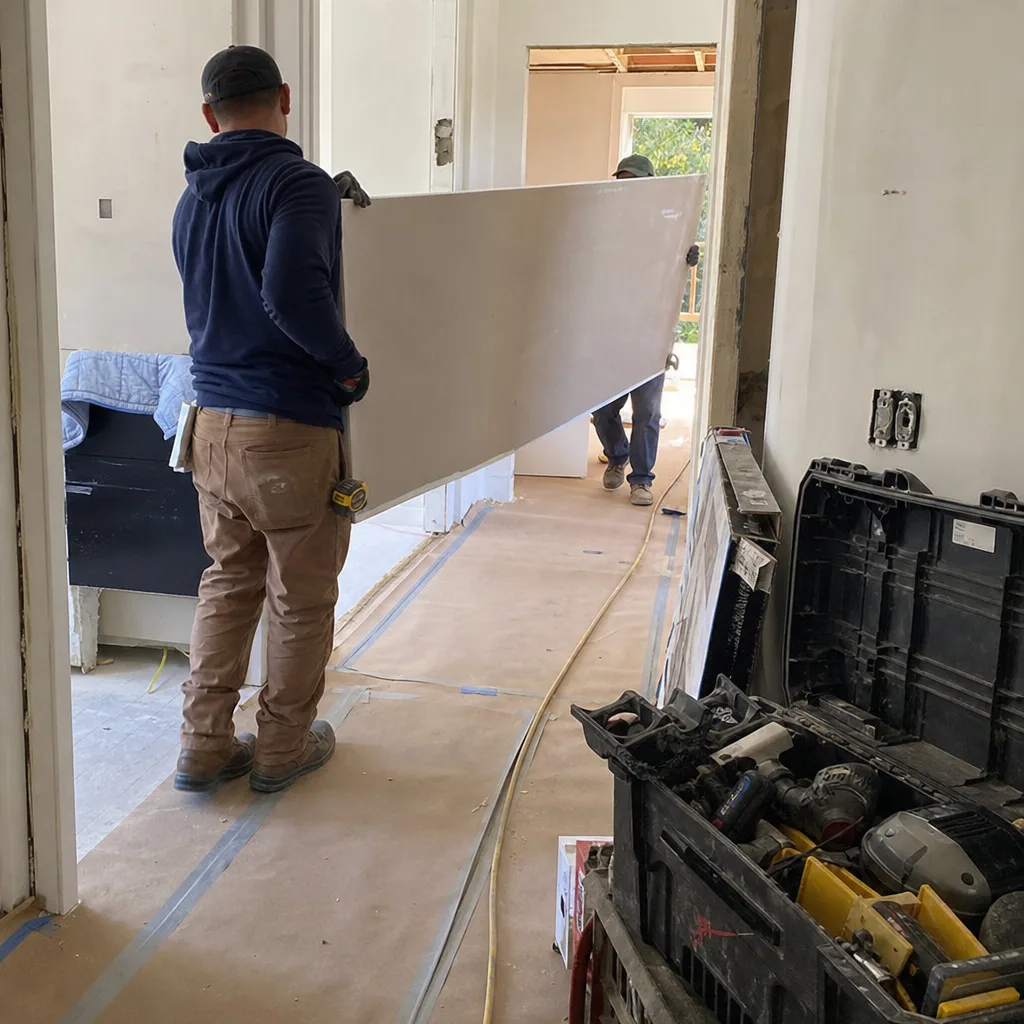
This one sounds honest, and that’s what makes it dangerous. An open-ended “we’ll see what’s behind the drywall” approach puts all the price risk on you the moment demolition starts, and demolition is exactly when you have the least leverage to walk away. In an Oakland bungalow or a Rockridge Craftsman from the 1920s, discovery is real – knob-and-tube wiring, old galvanized plumbing, a shower pan that was never properly waterproofed. A legitimate contractor handles discovery with a written process, not a shrug.
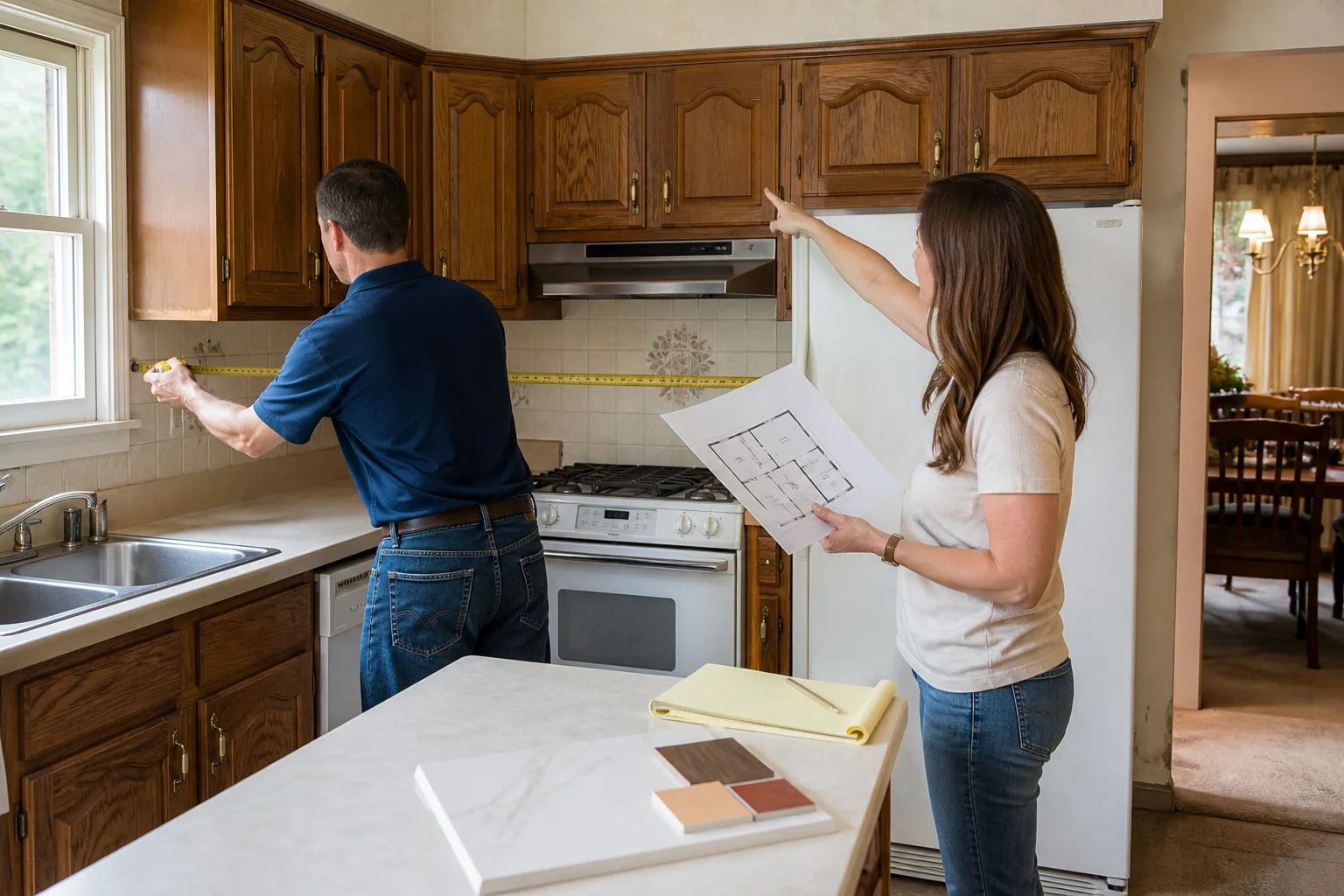
Here’s what a contractor who respects the price does before demo:
- Gives a written line-item price for the known scope before a hammer swings, so you can hold the number on day one against the invoice on the last day.
- Runs a written change-order process for anything discovered after demo – a specific number, signed by you, before that extra work proceeds.
- Explains the likely surprises up front based on the home’s era and the neighborhood, not after they’ve opened the ceiling.
When we walk into a kitchen in the Temescal or the Dimond, we’ll flag the same things experts should: that a house built before 1960 may have concealed wiring issues, that older Oakland stock sometimes sits on a crawlspace with settled piers. Those become line items in the written price, not surprises. A contractor who won’t give you the number before demo isn’t being humble about construction. He’s protecting his margin at your expense. If you’re planning a project in the city, our general contractor in Oakland page walks through how the scoping and pricing process should actually run.
Contract Language That Signals a Warranty Is Unenforceable
A written warranty that dissolves the moment you ask what it covers is worse than an honest verbal promise, because it gives you a false sense of protection. The warning signs hide in the fine print, and they’re predictable once you know what to look for. Read the warranty section of any contract before you sign, and look for these three patterns.
- Vague timeframes. “We stand behind our work” or “for a reasonable period” is not a warranty. A real one names the length in plain terms – 365 days from completion, for example – and tells you what happens if something fails inside that window.
- “At our discretion” clauses. If the contractor decides whether a failure is covered, the warranty is window dressing. You want a written commitment that if the work fails inside the period, the company comes back and fixes it at no charge.
- Workmanship exclusions buried in materials language. Many contracts void the labor warranty if the failure traces back to a “product defect” – which the contractor then controls the definition of. The two warranties should be separate layers: the installer’s workmanship guarantee on top of the manufacturer’s product warranty, each stated plainly.
Product brands matter here. Quartz countertops from Cambria carry their own lifetime warranty, but that warranty covers the stone, not the seam the installer glued together. If the seam fails and the contract blames “product,” you’re stuck. A clean warranty spells out both layers – what the manufacturer covers and what the installer covers – and it does it in writing. Our kitchen remodeling in Oakland page shows how those layers stack for a typical job.
What an Illegitimate Subcontracting Arrangement Looks Like
Almost every remodel uses subcontractors, and there’s nothing wrong with that. The warning sign is an arrangement where nobody is clearly responsible when a sub damages your property or does substandard work. From the homeowner’s side, that looks like confusion about who’s actually on the hook.
Here’s what to watch for:
- The contractor can’t tell you what subs are coming, or when. A legitimate contractor names the trades – the plumber, the electrician, the tile setter – and confirms they’re licensed and insured before they set foot on your property.
- The sub isn’t licensed or insured, or the contractor can’t produce proof when you ask. In California, specialty subs need their own CSLB license; unlicensed subs are also a payroll and liability problem that can land on you.
- You’re asked to pay the sub directly, or the sub quotes you a side price. That blurs who owes you a warranty, and it’s how “the crew that did the work is gone” stories start.
- No paperwork traces the sub to the contractor. If a sub breaks a window or cracks a tile and there’s no documented relationship, working out who pays for it can drag on for weeks.
The responsibility question matters most when a subcontractor damages your home – a dropped pipe that cracks the shower pan, a mis-measured counter run that eats a cabinet. The general contractor should carry that, not leave you chasing a sub who’s already on another job. Our bathroom remodeling in Oakland page covers how licensed trades get coordinated on a typical bath.
Reading a Contractor’s CSLB License History
The California Contractors State License Board tracks a lot more than whether a license is active. Pulling the record and reading it carefully takes five minutes and tells you more than a stack of references. Here’s what a clean record actually signals versus the gaps worth questioning.
- License status. “Active” is the baseline. “Expired,” “suspended,” or “inactive” means the contractor can’t legally take your job. Don’t accept “we’re renewing.”
- Complaints and disciplinary actions. A complaint isn’t automatically disqualifying – even good contractors get one – but look at how it was resolved. Disciplinary actions, citations, or license suspensions are a pattern worth understanding before you sign.
- Bond claims. People file claims against a contractor’s bond when a job went sideways. A single claim with a documented resolution is different from a string of them.
- Gaps in business history. A contractor who’s been licensed for years is one thing. A “20-year veteran” whose license shows three years of history, or a series of business names that started and stopped, deserves a hard question.
- Classification. A “B” general building license covers the whole job. If a specialty-only license holder is offering a full remodel, ask who’s actually licensed to do the rest.
A clean CSLB record backed by a clean business history is the signal you want. On our side, we work under the Kingswell standard that every job gets a written price up front and a 365-Day Done Right Promise in writing – and a real person answers the phone if you ever need to test that promise. The license check is your due diligence; the guarantee is what proves it out.
The Payment-Schedule Warning Sign
California has a hard rule on this one, and it’s not a gray area. Under state law, a contractor can’t ask for more than 10% of the contract price or $1,000, whichever is less, as a down payment on any home improvement job over $500. Any contractor who asks for more than that before work starts is violating the law, full stop.
The reason the rule exists is that a large upfront payment is where homeowners get hurt. If a contractor collects 40% and then disappears or stalls, you’ve handed over real money with no work done and little recourse. A legitimate payment schedule spreads the money across the job so it tracks what’s actually been built:
- A modest deposit within the legal limit, to schedule and order materials.
- Progress payments tied to completed milestones – framing done, rough-in inspected, cabinets set – not to calendar dates.
- A final payment held until the punch list is cleared and the job is done to the written scope.
If the schedule is front-loaded or the contractor wants the bulk of the money before he’s picked up a tool, treat that as a stop sign. In a pricey Oakland market, where a kitchen can run six figures, the amount at stake makes the rule worth enforcing hard.
When the Arrival Window Is a Suggestion
An arrival window that shifts without a call is a small thing that predicts a big one. It signals that the schedule belongs to the contractor’s convenience, not to your life – and that when the project hits a snag, you’ll find out last. Homeowners in Oakland juggling jobs and kids don’t have whole days to sit home on a maybe.
The warning signs around timing:
- No arrival window in writing. “Sometime Tuesday morning” is not a window. A real commitment names a range – say 8 to 10 a.m. – and someone shows up inside it.
- No call when the window slips. Plans change; that’s construction. A legitimate contractor calls to reset the window before you’re left waiting.
- A schedule that’s never written down. A project timeline in writing, with the inspection milestones on it, means you can see whether the job is on track – and hold the contractor to it.
Here’s the standard worth expecting: say the price before the work, show up in the window we gave, leave the place cleaner than we found it. Keeping a clean job site and a real arrival window is what The Kingswell Way requires, and it’s a useful test to hold any contractor to. If a crew can’t honor a two-hour window on day one, ask yourself how they’ll treat the punch list on the last day.
Oakland-Specific Things That Change the Risk
Oakland’s housing stock makes some warning signs sharper than they’d be in newer suburbs. A few local realities worth knowing:
- Older housing stock. A lot of Oakland homes date from the 1910s through the 1940s, which means the “discovery” during demo is often bigger than on newer construction. That makes the written change-order process more important, not less.
- Permits and inspections. Structural and major systems work in Oakland runs through the city’s permitting and inspection process. A contractor who waves off permits as paperwork is one who’ll likely leave you holding an unpermitted job when you sell. Ask who’s pulling the permit – and get it in writing that they are.
- Trades are busy. In a strong market, a contractor chasing too many jobs at once stretches crews thin. That’s the mechanism behind the shifted windows and stalled schedules that show up on jobs without a written timeline.
- Fire-hardening and siding. A lot of Oakland remodels now include exterior work and fire-resistant siding – James Hardie is the standard material we install – and that makes the permit and inspection trail on the exterior scope worth scrutinizing too.
The upshot: the professional-looking contractor who’s vague on price, loose on timing, and slippery on permits is a specific risk in this market. For broader context on how a project should be scoped from the start, our Penhallow Remodeling Oakland home page lays out the full-service approach.
Common Mistakes to Avoid
- Accepting a verbal ballpark. If the price isn’t in writing before work starts, it isn’t a price. A ballpark that balloons after demo is the single most expensive mistake Oakland homeowners make, and a written line-item number prevents it.
- Signing a warranty you haven’t read. Ask exactly what the warranty covers, how long it lasts, and what happens if a repair fails. If the answer is “we stand behind our work,” get something in writing you can hold the company to.
- Paying more than the legal deposit. Never hand over more than 10% of the contract or $1,000, whichever is less, before work starts. A contractor who demands more has already broken the law.
- Skipping the CSLB check. A “20-year veteran” whose license record shows three years of history, or an unexplained gap in business names, is a question worth asking before you sign – not after the cabinets are ordered.
- Letting subs come and go without names. Ask which trades are scheduled, whether they’re licensed and insured, and who’s responsible if a sub damages your property. Get the answer in writing.
- Tolerating shifted windows without a call. A crew that doesn’t honor the arrival window on day one will stretch your job to fit its schedule. A written timeline with inspection milestones keeps the job honest.
- Assuming a clean truck means a clean contract. The most expensive bad hire in Oakland usually looks professional. The tell is what’s in writing – the price, the window, the warranty – not what’s in the driveway.
See the difference
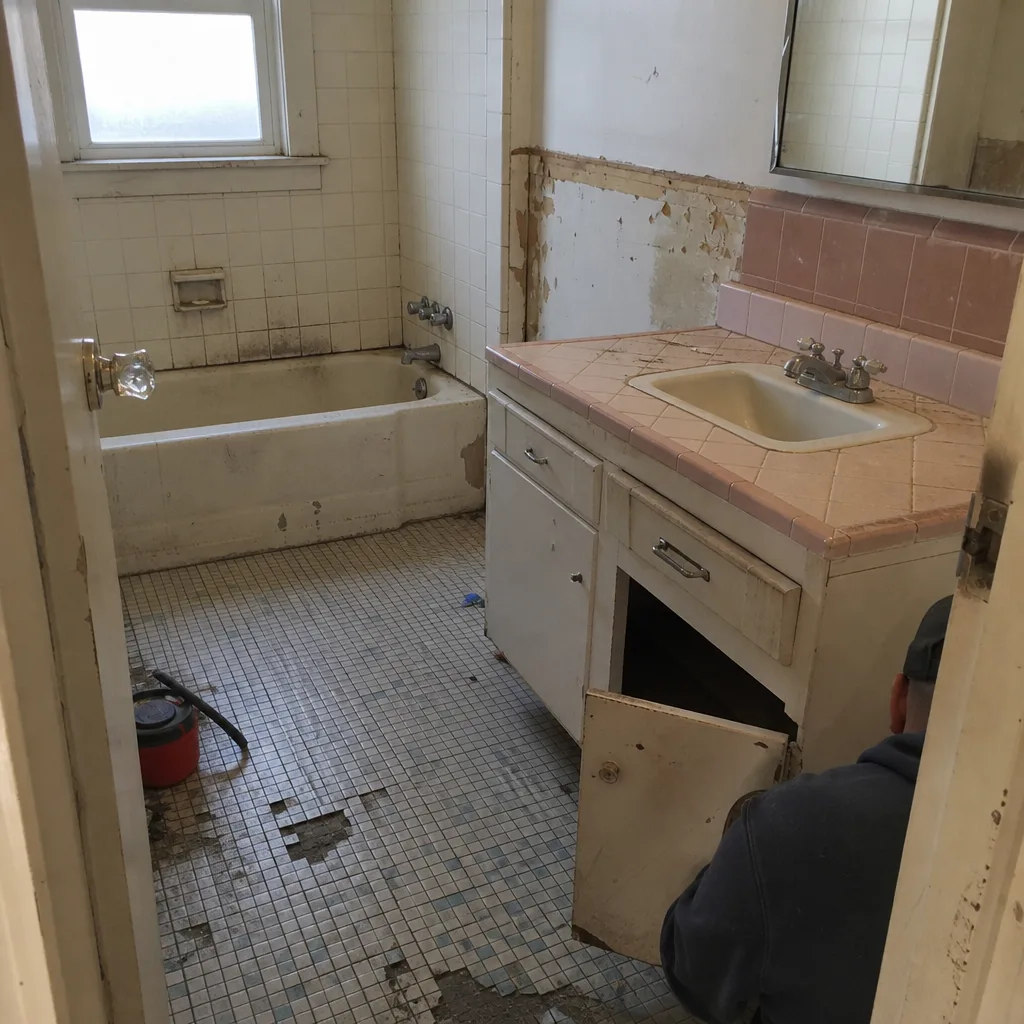 Before
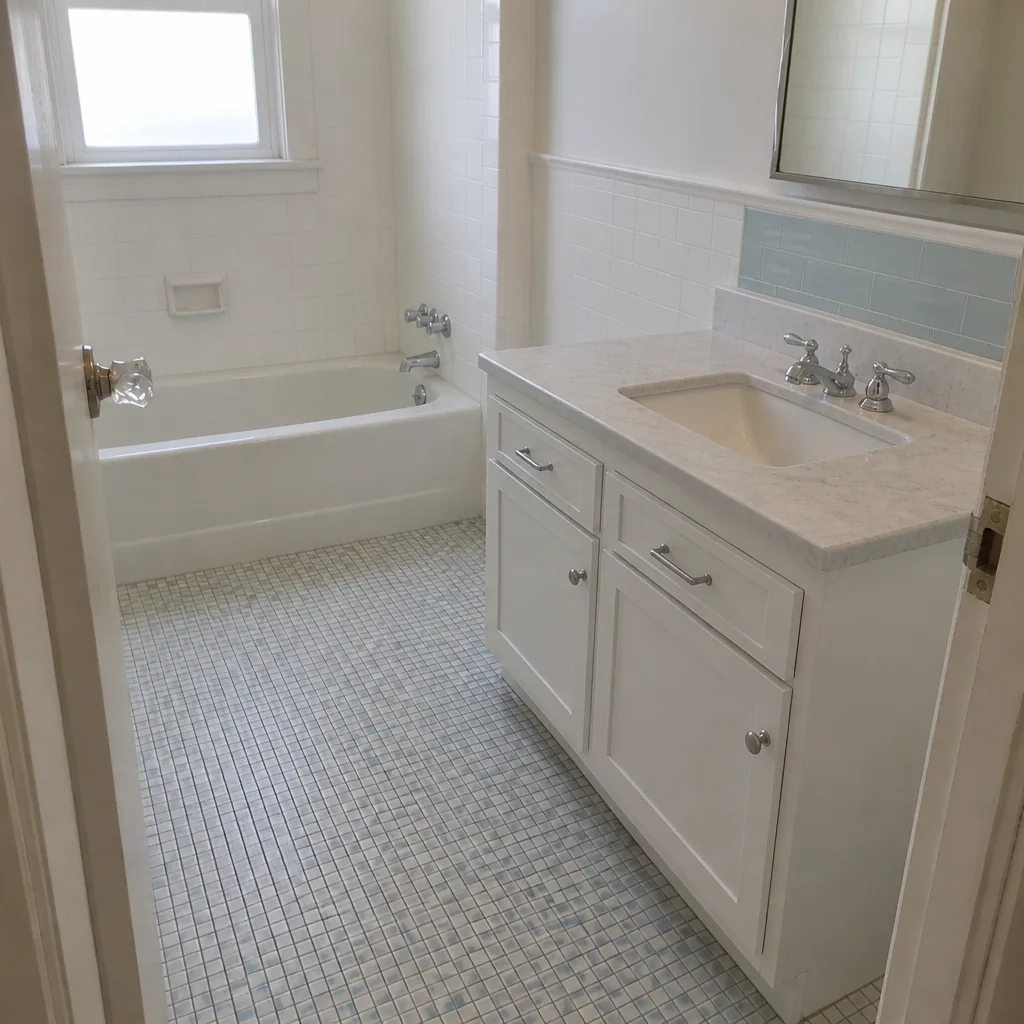 After
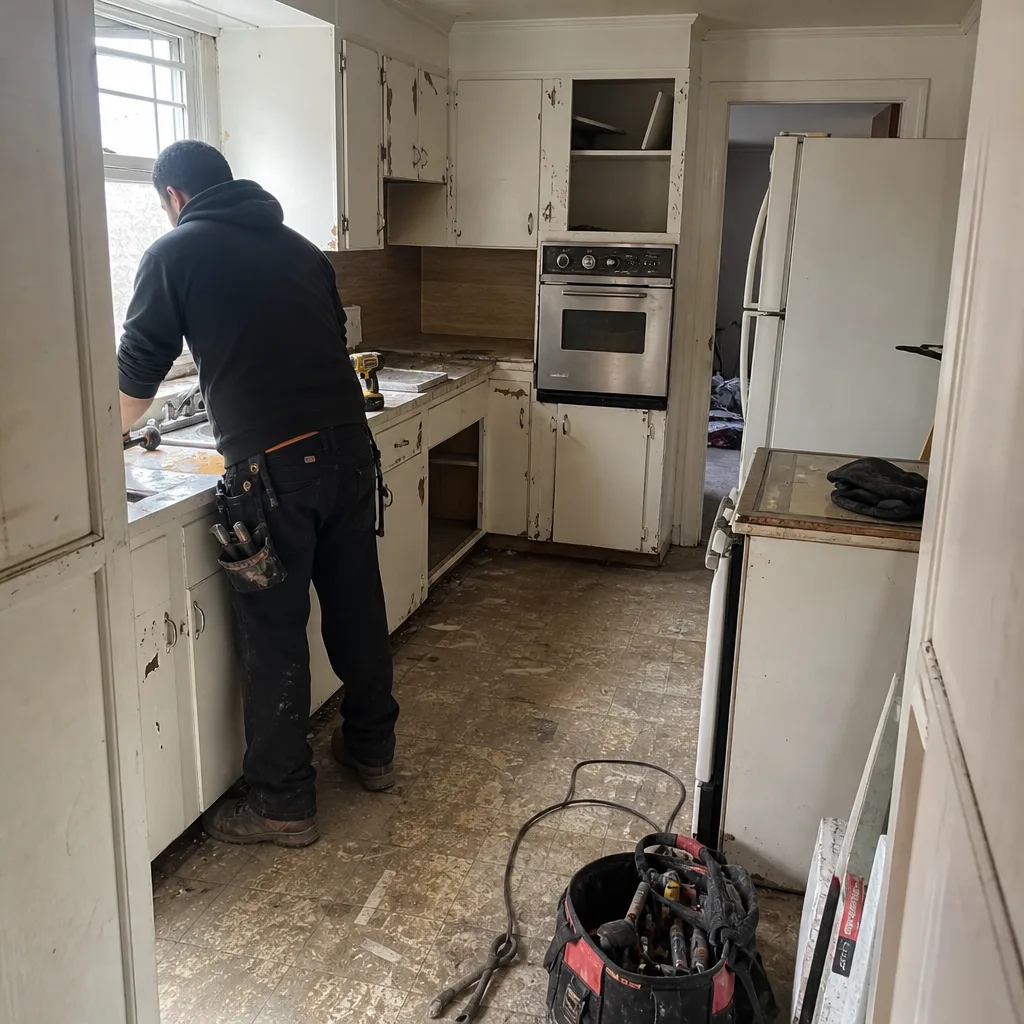 Before
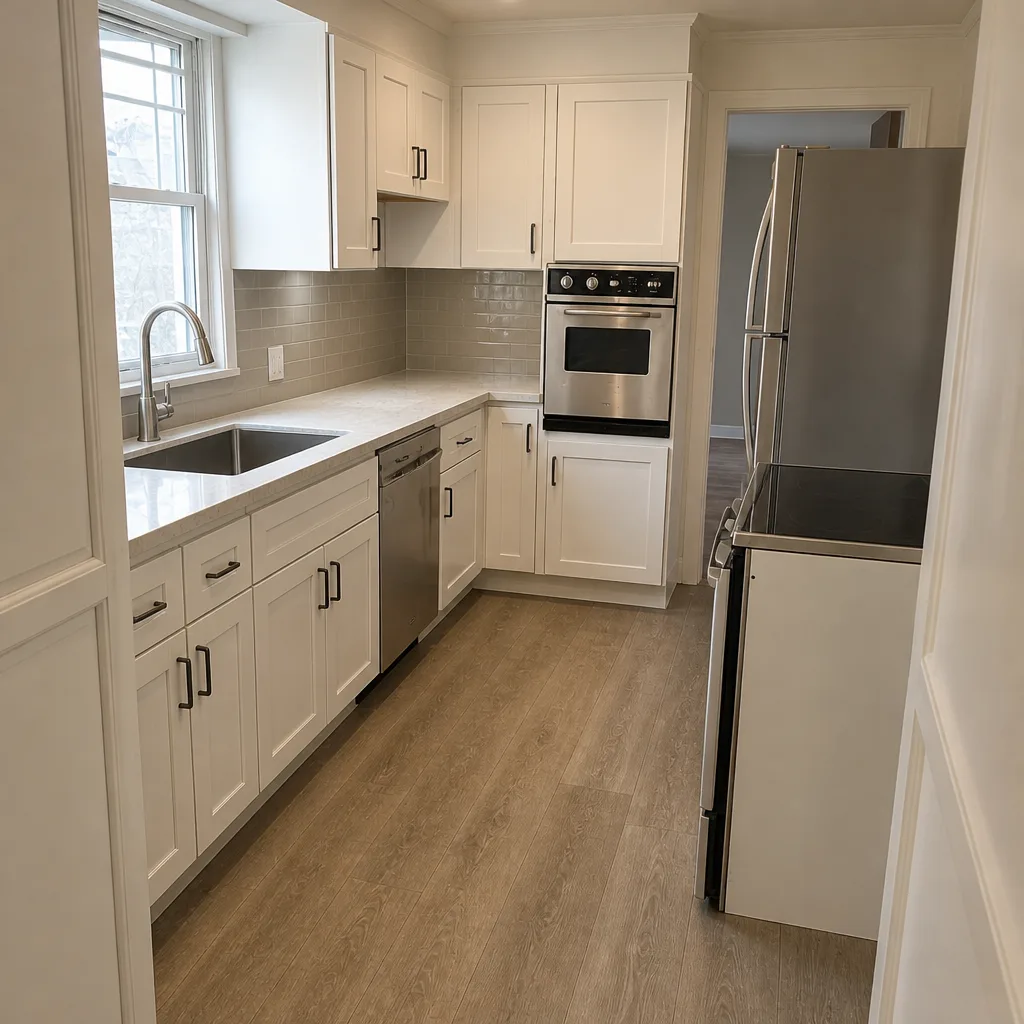 After
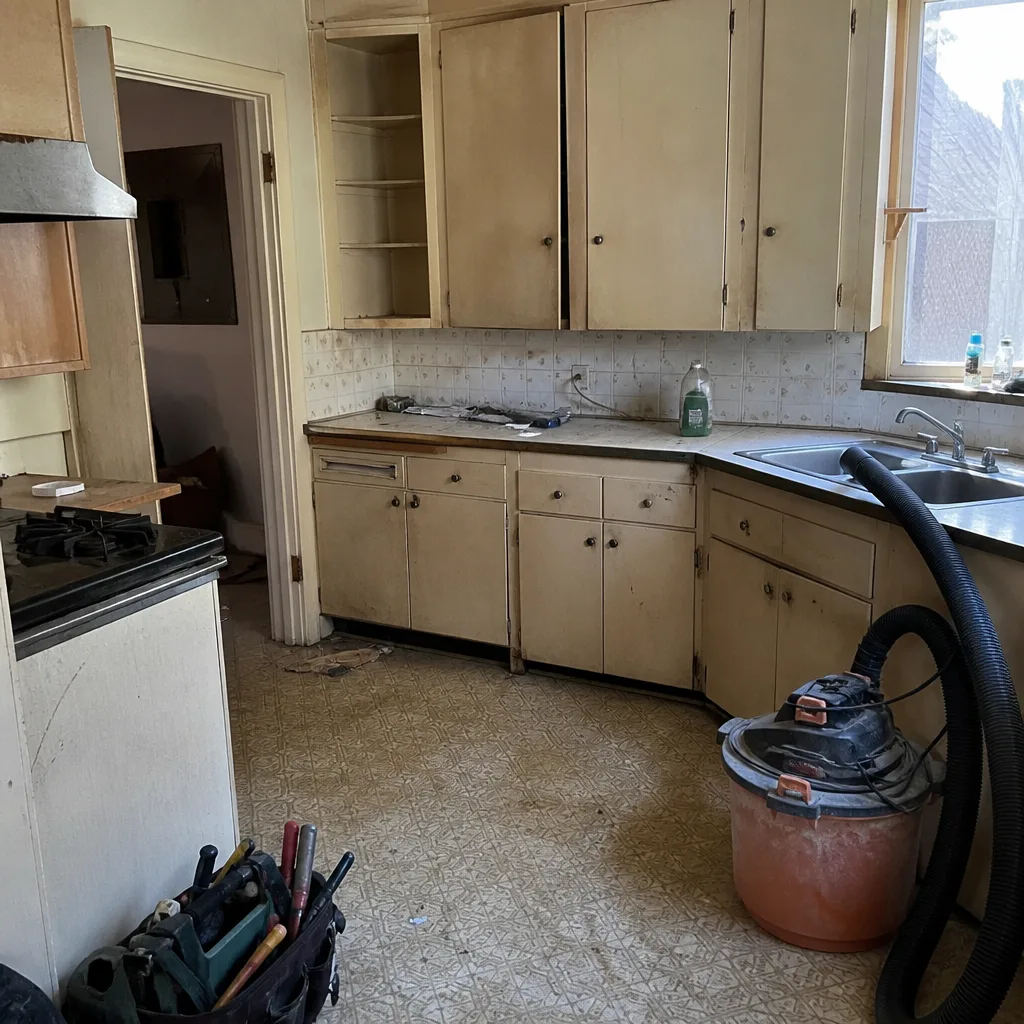 Before
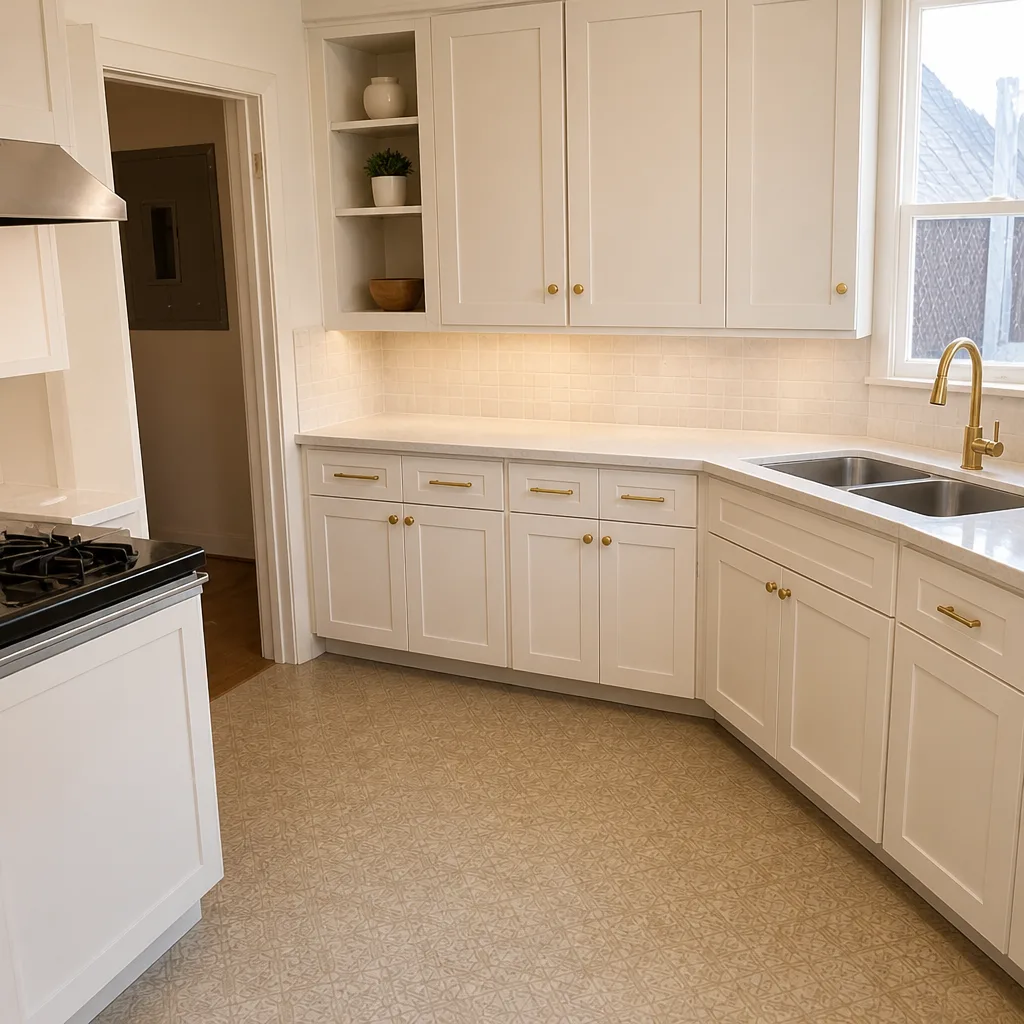 After
When to Call a Professional
Some of this you can check yourself. Some of it needs a trained eye before you commit money. Call a professional when a contractor won’t put the price in writing before demo, when the warranty section of a contract reads like a disclaimer, when a payment schedule breaks the state’s 10%-or-$1,000 rule, or when the CSLB record raises a question you can’t get a straight answer to. Call when the scope is structural or touches major systems – walls coming out, plumbing or wiring being rerouted, a bath or kitchen being rebuilt. Those aren’t jobs to price on a handshake. Penhallow Remodeling Oakland offers free, written estimates in Oakland – call (888) 403-1237 to schedule yours.
Frequently Asked Questions
No. A legitimate contractor gives a written line-item price for the known scope before demo, plus a written change-order process for anything discovered once the wall opens. “We’ll know the price once we open it up” hands all price risk to you, which is a structural warning sign, not an honest disclaimer.
No more than 10% of the contract price or $1,000, whichever is less, on any home improvement job over $500. Any demand beyond that before work starts is a violation of California law. If a contractor pushes for a larger deposit, walk – and call us for a written price instead.
It tells you the license is active, there are no open disciplinary actions or bond claims against the contractor, and the business history lines up with the experience claimed. A clean record is a good baseline signal; a gap in business history or a string of unresolved complaints is a reason to ask hard questions before you sign.
Yes. We pull the permits for the scope we build, and the inspection milestones go on the written timeline so you can track them. A contractor who treats permits as paperwork is one who’ll leave you an unpermitted job to deal with when you sell. Call (888) 403-1237 and we’ll walk you through the permit process for your project.
It should name a specific length in plain terms – like our 365-Day Done Right Promise – and say exactly what happens if a repair fails: the company comes back and fixes it at no charge. Vague timeframes, “at our discretion” clauses, and workmanship exclusions buried in materials language all signal a warranty that won’t hold up when you need it.
Yes, through the California Contractors State License Board’s public license lookup. A single resolved complaint isn’t automatically disqualifying, but disciplinary actions, bond claims, or unexplained gaps in the license history are worth understanding before you commit money. Call (888) 403-1237 for a free estimate and a written number you can hold to.
The Bottom Line

The contractor red flags that cost Oakland homeowners the most money aren’t the obvious scams. They’re the professional who won’t name a price before demo, the contract with an unenforceable warranty, the payment schedule that breaks California’s 10%-or-$1,000 rule, and the arrival window that’s really a suggestion. None of those require dishonesty – just a contractor who’d rather keep the options open. The good news: every one of them is testable. Ask for the number in writing, read the warranty, check the CSLB record, and hold the schedule to a written window. A contractor who’s the right hire will pass all four without flinching.
Ready for a written number you can hold to? Call Penhallow Remodeling Oakland at (888) 403-1237 to schedule your free estimate. Every project starts with a written price, a defined arrival window, and a 365-Day Done Right Promise in writing – because the number on day one should be the number on the invoice.
Written by the team at Penhallow Remodeling Oakland.