
Last updated November 18, 2026








Free written scope consultation - allowances, timeline, and change-order rules on paper before a single trade is scheduled
General Contractor Maintenance Checklist for Oakland Homeowners
Oakland’s microclimate means a home in Rockridge and a home in San Antonio face meaningfully different moisture and UV exposure, yet most contractor checklists hand the same twelve items to both. That’s the whole problem with generic maintenance advice: it was written for a national average, not for a hillside Craftsman three miles from the Bay. This guide is different. We built it around what actually fails in Oakland homes, section by section, from the marine layer that never quite dries out to the galvanized pipes still sweating inside pre-1950 walls. You’ll learn what to check yourself, what a licensed general contractor should inspect, and how to document all of it so your records hold up when you pull a permit.
Quick Answer
A solid maintenance routine for an Oakland home means three things: preparing the exterior envelope before the November rains arrive, controlling year-round moisture in crawl spaces and attics that the marine layer never lets dry, and documenting every inspection and repair so your permit history and warranties stay intact. Walk the property twice a year, once in early fall and once in spring, and call a licensed contractor for anything involving chimneys, structural walls, attics, or electrical systems.
Styles & brands we work with
- Kitchen remodeling
- Bathroom remodeling
- Home additions & ADU
- Roofing
- Windows & doors
- Driveway & pavers
- Fence
Table of Contents
- Why Oakland Maintenance Isn’t a National Template
- The Fall Checklist: Beating the Rainy Season to the Punch
- The Marine Layer Problem: Crawl Spaces and Attics
- Pre-1950 Housing Stock: What Older Oakland Homes Hide
- What You Can Check Yourself vs. What a Contractor Should Inspect
- How to Document Maintenance to Protect Permits and Warranties
- The Year-Round Oakland Maintenance Calendar
Why Oakland Maintenance Isn’t a National Template
Most maintenance lists assume a home gets wet, then dries out. In much of Oakland, it doesn’t dry out the way those lists assume. The marine layer rolls in off the Bay and sits over neighborhoods like Rockridge and the flats for days, keeping humidity high and surfaces cool. Wind-driven rain, meanwhile, hits exposed hillside facades in the Oakland hills in a way that flatland homes never see. A template written for a dry-climate city doesn’t account for either condition.
The age of the housing stock compounds it. A huge share of Oakland homes were built before 1950, which means the systems inside them – wiring, plumbing, chimneys – were built to codes that have long since been replaced. Maintenance on these homes isn’t just about keeping things tidy. It’s about knowing which old systems are still safe and which have quietly aged out.
That’s why we separate the work by neighborhood and by exposure zone. A home facing the Bay takes moisture stress from the west. A hillside home takes wind-driven rain from the exposed side. Both need the same categories of attention, but the specific items differ. This checklist treats those differences as the point, not a footnote.
If you ever need help translating what you find into a scope of work, our General Contractor in Oakland page walks through what a proper whole-home inspection covers.
The Fall Checklist: Beating the Rainy Season to the Punch
Oakland’s rainy season typically starts in November and runs through spring. The work you do in September and October is what protects the house through those months. Miss it and you spend the winter watching water find its way in. Here’s the sequence we recommend, in order, working from the ground up.
- Clear and test every French drain before the first rain. Hillside properties in the Oakland hills depend on drainage that quietly clogs with sediment and leaves over the summer. Flush the lines and confirm they actually carry water away from the foundation, not just into it.
- Check retaining wall weep holes. A hillside retaining wall needs those small openings to release the water pressure that builds behind it. If they’re plugged with dirt or roots, the pressure has nowhere to go but into the wall. Clear them and watch for any bulging or tilting.
- Reseal older wood-framed window assemblies. Pre-1970 wood windows lose their seal along the sill and glazing stop, and wind-driven rain finds those gaps. Re-caulking and repainting the sills before November is one of the cheapest protections you can make.
- Clean gutters and check the downspouts carry water at least three feet from the foundation. In wind-driven rain, a downspout that dumps right at the wall pushes water into the crawl space.
- Walk the roof edge and look for lifted flashing. You don’t need to get on the roof. From a ladder at the eaves, look for lifted step flashing around chimneys and any curling at the valleys.
- Check exterior door thresholds and weatherstripping. An older Therma-Tru door may still be sound at the slab but leak at the sill seal. Inspect the seal, not just the door.
If you’re considering replacing older wood windows entirely rather than resealing them, lines like ES Windows and ECO Window Systems are worth pricing against a re-seal. A failed window assembly can leak for years before you notice softness in the surrounding wall.
The Marine Layer Problem: Crawl Spaces and Attics
Here’s the difference between Oakland and inland California: the marine layer keeps relative humidity elevated for months, and crawl spaces and attics don’t get the dry-out cycles that inland homes rely on. That steady moisture creates a year-round mold risk that a “check for leaks” line item doesn’t address. The fix isn’t just finding water. It’s managing air and vapor so the space can breathe.
In crawl spaces, the standard inland approach is passive vents that let air move through. In Oakland’s climate, you may need a different approach: a vapor barrier over the soil, sealed foundation vents on the humid side, and in some cases a dehumidifier or mechanical ventilation. The goal is to keep the wood framing dry to the touch, not to let the crawl space “air out” into an already-humid atmosphere.
Attics are similar. Adequate ventilation matters, but so does the air-sealing between the living space and the attic. If warm, moist household air leaks up into a cold marine-layer attic, you get condensation on the underside of the roof deck, and that’s where you’ll see the first sign of trouble. The visible warning is dark staining or a soft, spongy feel to the roof sheathing. That’s a situation for a licensed contractor, not a weekend project.
The point is simple: don’t apply an inland ventilation standard to an Oakland home and assume it’s fine. Ask a contractor who works in this climate what the right setup is for your specific crawl space and attic.
Pre-1950 Housing Stock: What Older Oakland Homes Hide
A large share of Oakland’s homes date to the Craftsman and pre-war eras, and the systems inside them were built to different standards than today’s. Maintenance isn’t just about appearance. It’s about knowing what’s still safe. Here are the three we see most often.
- Knob-and-tube wiring awareness. If your house predates 1950 and hasn’t been rewired, you may still have knob-and-tube wiring in the walls or attic. It can be perfectly serviceable, but it’s not designed for modern electrical loads, and insulation that’s become brittle is a real fire concern. An electrician or general contractor should confirm what’s actually there before you add circuits or insulation.
- Unreinforced masonry chimneys. Many older Oakland chimneys are brick without modern reinforcement, and in an earthquake that’s a known hazard. Look for cracked mortar, any lean, or crumbling brick. A qualified masonry inspection matters before you use the fireplace.
- Galvanized pipe sweating signs. Many pre-1950 homes still have galvanized steel water pipes, which corrode from the inside and narrow over time. Signs to watch for: low water pressure at upper fixtures, rusty water on first draw, and moisture or green staining at joints. If you see those, the pipe is telling you something.
These are inspections, not assumptions. A contractor who knows pre-1950 Oakland housing can tell you what’s still working and what’s ready to be replaced, before a small issue turns into an emergency.
What You Can Check Yourself vs. What a Contractor Should Inspect
A good maintenance routine has a clear split: homeowners handle the visible, low-risk checks, and a licensed contractor handles anything structural, electrical, or genuinely dangerous. Drawing that line honestly saves you money and keeps you safe. Here’s how we’d draw it.
You can safely check yourself:
- Gutters and downspouts, including where they discharge.
- Window and door seals, sills, and weatherstripping.
- Caulking and paint on exposed wood trim.
- Visible water stains, soft spots, or staining on ceilings and walls.
- The function of every exterior faucet and drain.
- Smoke and carbon monoxide detectors, tested monthly.
A licensed contractor or specialist should inspect:
- The chimney and any masonry, because of the fire and structural risk.
- The crawl space, attic framing, and any sign of moisture inside wall cavities.
- The electrical panel, wiring, and anything that might be knob-and-tube.
- Retaining walls and any structural wall or foundation concern.
- The roof covering and flashing, which require safe access and proper fall protection.
When a hillside home shows movement in a retaining wall, or an older chimney shows mortar cracks, that’s not a “wait and see” item. Those are exactly the moments to get a professional eye on it before the rainy season makes it worse.
How to Document Maintenance to Protect Permits and Warranties
Most homeowners never think about documentation until it matters, and then it’s too late. If you ever pull a remodeling permit, sell the house, or file a warranty claim, the paper trail you kept is what proves the home was maintained. A written record also protects your permit history: an inspector wants to see that prior work was done correctly and to code, not just that a receipt exists somewhere.
- Keep a simple maintenance binder or digital folder. Every repair gets a date, a description, the contractor name, the price, and photos before and after.
- Save every written estimate and invoice. Future buyers, appraisers, and inspectors treat a written record as the strongest kind of proof.
- Keep permit documents with the maintenance record. When you sell, a clean permit history is a real selling point, not just a technicality.
- Note warranty terms per item. A Cambria quartz countertop carries its own warranty separate from the installer’s workmanship warranty. Know both terms and keep the paperwork together.
- Photograph the date and condition of major systems. Water heater, roof, chimney, and HVAC each get a photo and a date.
When you hire a contractor, ask for the written guarantee in writing and keep it with the project record. That documentation discipline is what makes a warranty claim a matter of a phone call rather than a dispute.
The Year-Round Oakland Maintenance Calendar
The best checklist is one you actually follow, so we break the year into seasons that fit Oakland’s climate rather than a generic spring-and-fall template. A quick glance at the seasonal rhythm:
- Early fall (September-October): Clear French drains, clear retaining wall weep holes, reseal wood windows, clean gutters, and check roof flashing from a safe height. This is the single most important window of the year.
- November through spring: Watch for water intrusion, condensation in the attic, and soft spots. This is the season when crawl-space and attic moisture shows its first signs.
- Late spring (May-June): Inspect for winter damage, check exterior caulk and paint, and test the exterior faucets and drains before summer.
- Summer: Address ventilation and air-sealing in the attic, schedule any chimney or electrical evaluation, and plan any larger work for the next dry season.
The marine-layer homes and the hillside homes will need different items at different times, but the rhythm is the same: prep before the rain, watch during, repair in the dry.
Common Mistakes to Avoid
- Using an inland ventilation standard for an Oakland home. Passive vents that work inland can let humid air into a crawl space and keep it damp. Match the setup to the climate, not to a national checklist.
- Clearing French drains only when they look full. Sediment and leaves clog them slowly, and by the time they’re visibly full, water is already pooling at the foundation. Flush them before the rainy season, every year.
- Ignoring pre-1950 wiring and plumbing until something fails. Knob-and-tube wiring and galvanized pipe generally don’t announce their age until a fixture goes dead or water pressure drops. Get them identified early.
- Climbing onto a wet or steep Oakland hillside roof. Wind-driven rain and steep pitches are a fall hazard. Inspect from the eaves with a ladder and leave the roof covering to a professional with fall protection.
- Resealing only the floor and not the sill on older windows. The leak starts at the sill and glazing stop, so resealing everything but the sill misses the actual failure point.
- Skipping the paper trail. A repair with no date and no invoice is hard to rely on later. Document every job, big and small.
- Letting a small chimney crack wait out the winter. An unreinforced masonry chimney that’s already cracking is a real risk in an earthquake, and the rainy season makes a small crack worse. Have it evaluated before the weather turns.
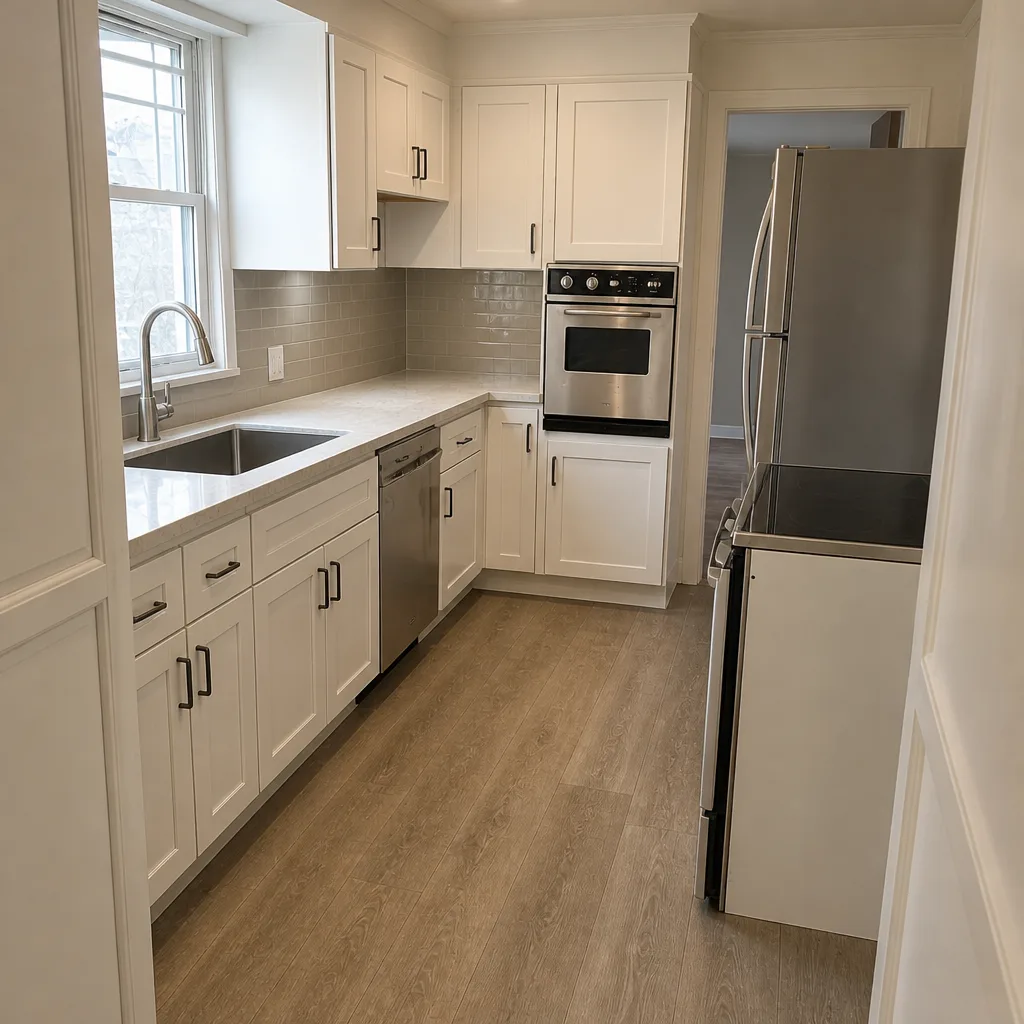
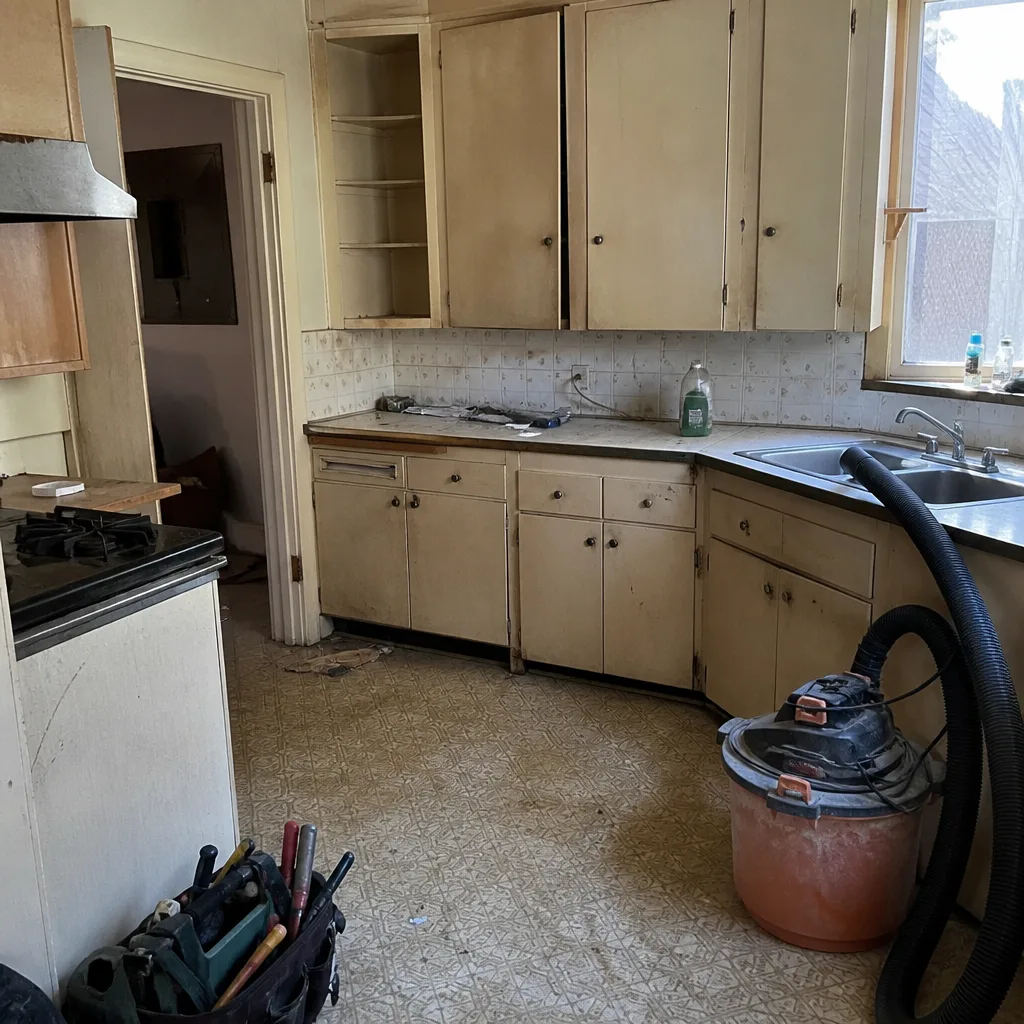
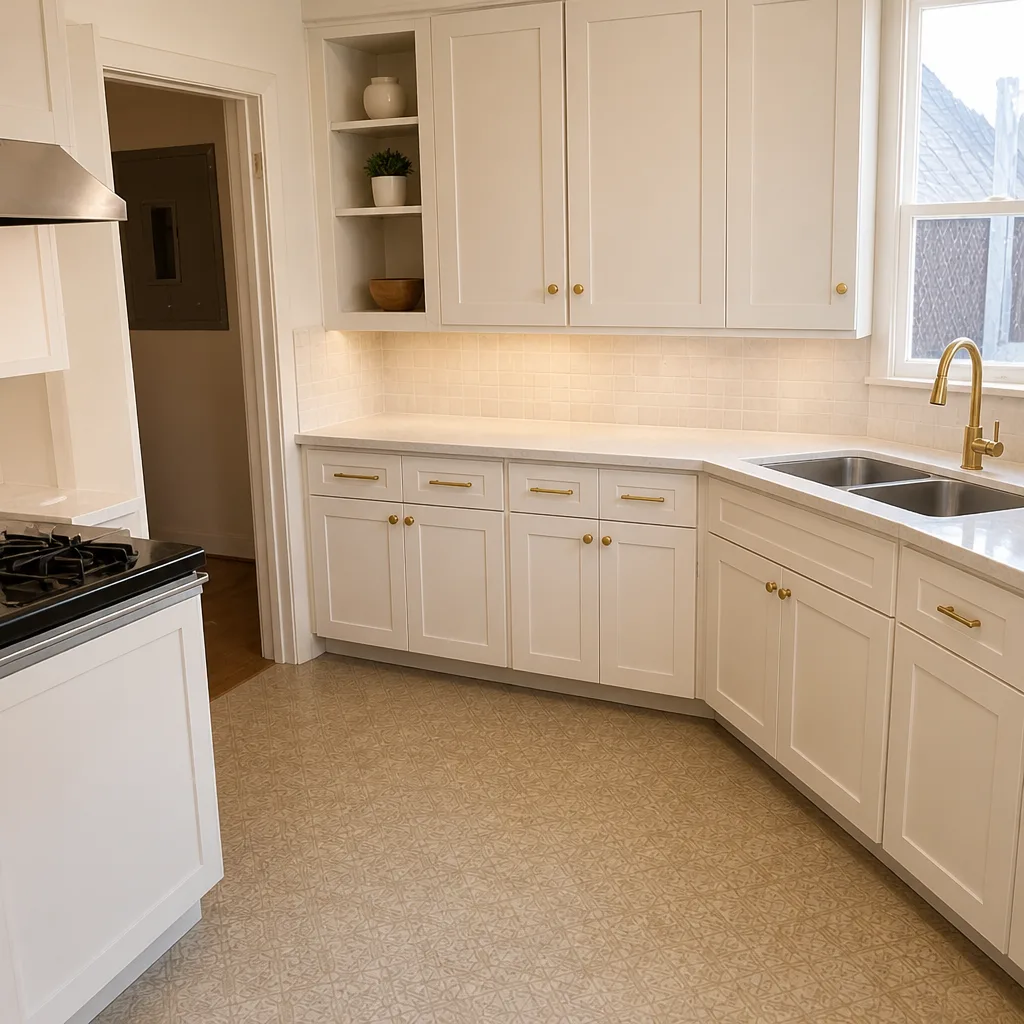
See the difference
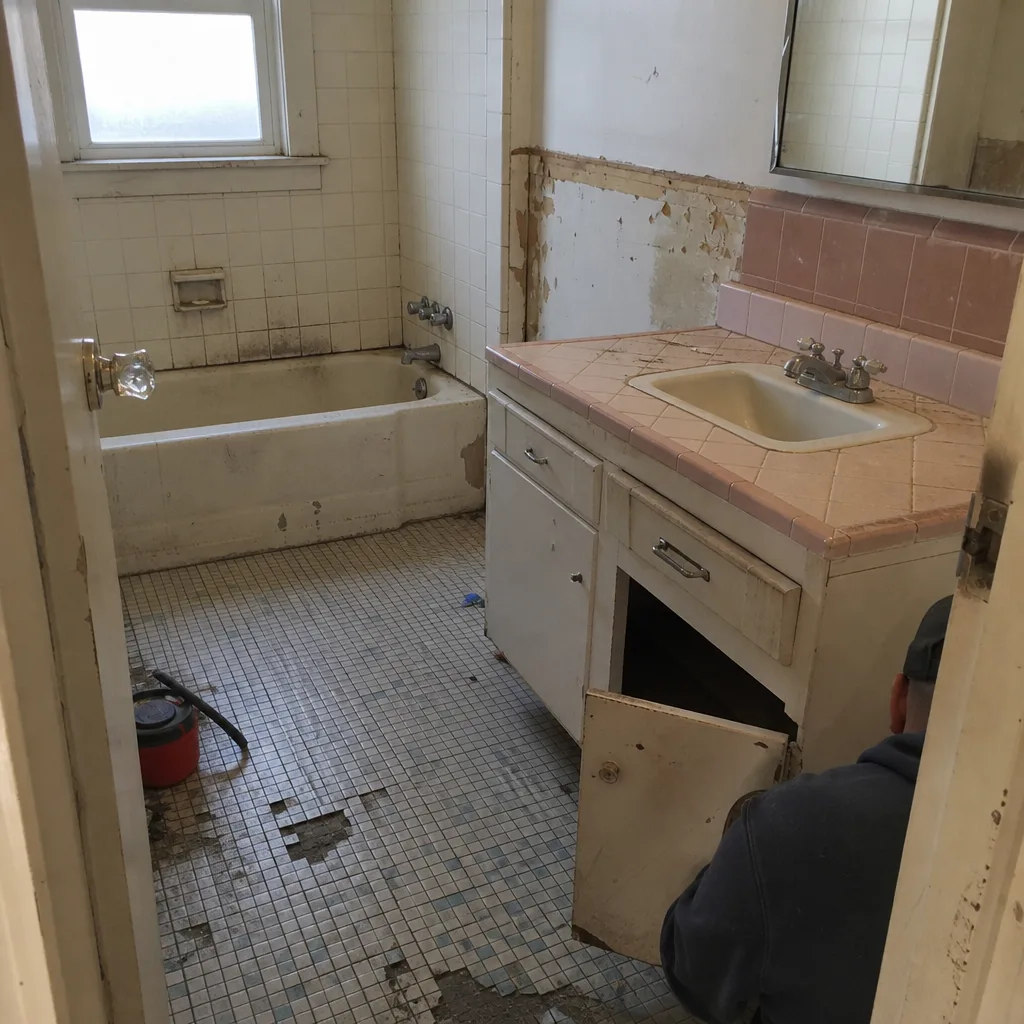 Before
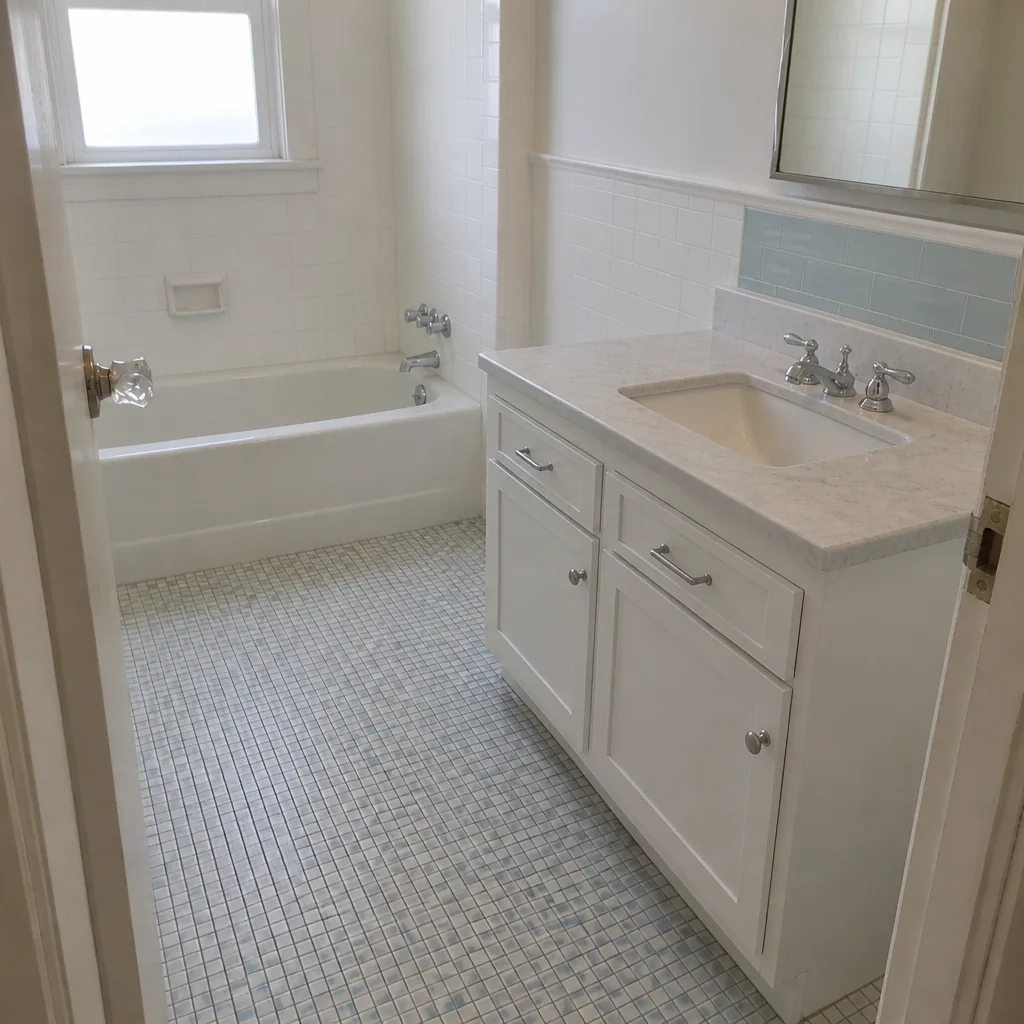 After
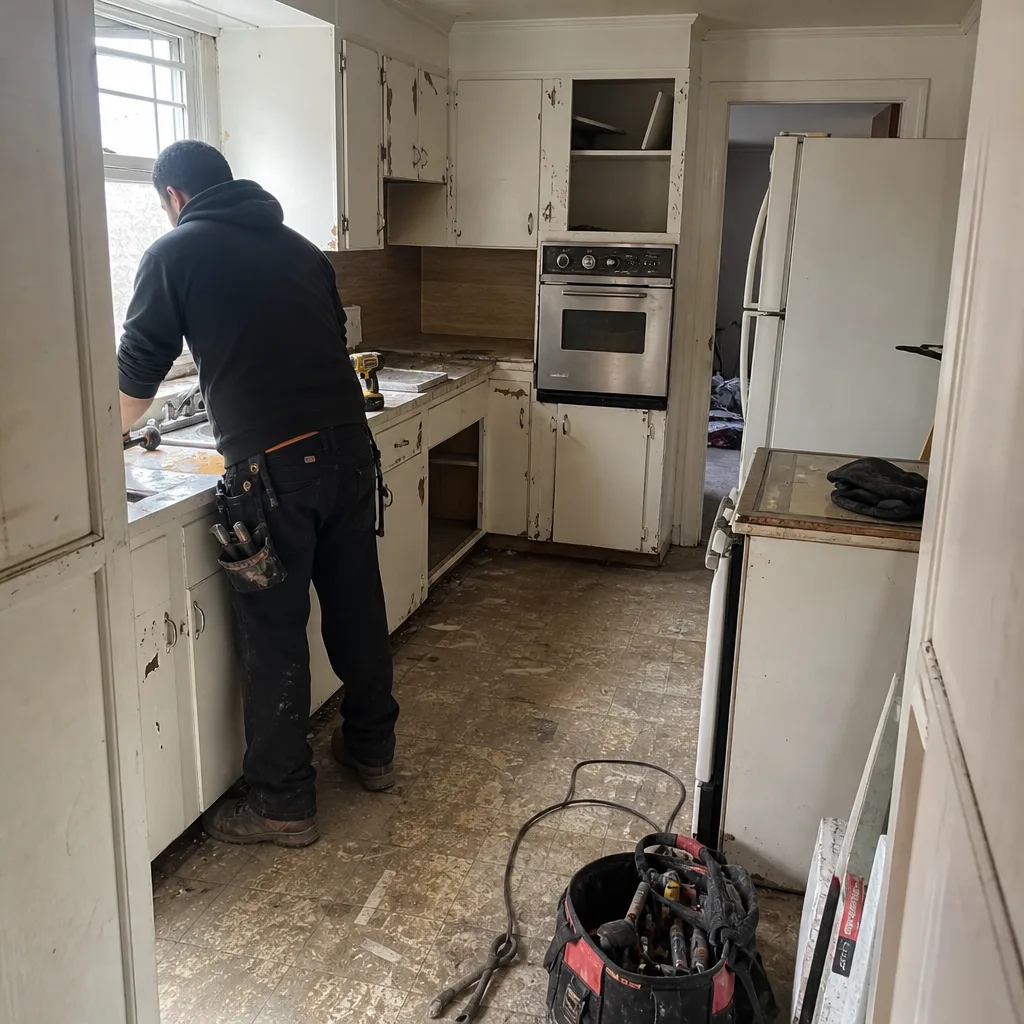 Before
 After
 Before
 After
When to Call a Professional
Some items on this checklist are safe to handle yourself: gutters, caulk, window seals, and visible water stains. Others genuinely need a licensed professional. Call a contractor if you see movement or bulging in a retaining wall, if your chimney or masonry shows cracks, if you have knob-and-tube wiring you’re unsure about, or if moisture is showing up inside a wall cavity or attic. The same applies if you’re planning any larger work, like a kitchen or bath, and need the maintenance record to line up with your permit history. It’s also the moment to ask about Bathroom Remodeling in Oakland if moisture in a bathroom has been a recurring problem. Penhallow Remodeling Oakland offers free estimates in Oakland; call (888) 403-1237 to schedule yours.
Frequently Asked Questions

Twice a year works for most Oakland homes: once in early fall before the rainy season, and once in late spring after it. Homes on hillsides or with older systems may need an extra check mid-winter for water intrusion and moisture in the crawl space and attic.
Clearing French drains and clearing retaining wall weep holes are the two biggest. Both prevent water from pooling at the foundation or building pressure behind a wall, which is the most common source of costly damage in Oakland during the wet months. Reseal the wood window assemblies right after that. Call (888) 403-1237 if you want a professional walkthrough before November.
The marine layer keeps humidity high for months, and crawl spaces don’t get the dry-out cycle inland homes rely on. That means a vapor barrier and appropriate ventilation matter more here than in a dry climate. A licensed contractor can tell you whether your current setup is right for Oakland.
You can look for the signs, but you shouldn’t remove cover plates or probe inside walls yourself. If your home predates 1950, have a licensed electrician or general contractor confirm what’s there before you add load or insulation. Call (888) 403-1237 and we’ll help you get it looked at.
Yes. It protects your permit history if you ever pull a remodeling permit, and it’s what makes a warranty claim work. Keep invoices, dates, photos, and written guarantees together so a future claim is a phone call, not a dispute.
Homeowners can safely check gutters, caulk, window seals, and visible water stains. Chimneys, attics, crawl spaces, electrical panels, retaining walls, and roof coverings need a licensed professional because of structural, fire, or fall risk. Call (888) 403-1237 for an exact scope of what your home needs.
The Bottom Line
Maintenance in Oakland isn’t a national twelve-point list; it’s a set of decisions built around the marine layer, wind-driven rain on the hills, and pre-1950 housing stock. Prep the exterior before November, control moisture year-round, know the difference between what you can check and what needs a professional, and document all of it. Done consistently, this routine protects the house, the permit history, and the warranties behind every repair. If you’d rather have a professional walk the property with you, our Kitchen Remodeling in Oakland team and general contractors are available for a free estimate, and every project comes with a written price up front and our 365-Day Done Right Promise. Start at the Penhallow Remodeling Oakland home page or call (888) 403-1237. Skilled technicians with up to 22 years of experience, background-checked and uniformed, arrive ready to assess the work. Your written number is the number you can hold us to, from the first visit to the final invoice.
Written by the team at Penhallow Remodeling Oakland.