
Last updated November 18, 2026







Free written scope consultation - allowances, timeline, and change-order rules on paper before a single trade is scheduled
Seasonal Construction Care for Oakland: Year-Round Homeowner’s Guide
Here’s a fact most Oakland homeowners learn the hard way: during a September or October Diablo wind event, interior relative humidity in a typical Oakland bungalow or craftsman can drop below 10%. That is drier than most deserts get on an average day. And it arrives in the same week that outdoor caulk, window glazing, and wood joints are failing fastest and getting noticed least, because nobody thinks to look. Oakland doesn’t run on four tidy seasons. It runs on a wet season, a dry season, a fog-cooled shoulder, and a wind window that reshapes what your house needs from you. This guide maps every one of them to the work worth doing in each window.
Quick Answer
Oakland’s construction calendar has four real phases rather than four traditional seasons: a wet season from roughly November through March, a dry season from June through September, two marine-layer shoulders in spring and early fall, and the Diablo wind window in September and October. The best time for exterior painting, roofing, and anything that exposes wood or substrate to weather is late spring, after the rain has stopped and before peak heat arrives. November starts on exposed exterior work are the single most common scheduling mistake we see in Oakland, because the first significant rain typically lands mid-to-late November and can sit on unfinished sheathing for weeks.
Styles & brands we work with
- Kitchen remodeling
- Bathroom remodeling
- Home additions & ADU
- Roofing
- Windows & doors
- Driveway & pavers
- Fence
Table of Contents
- The Real Oakland Project Calendar
- What the Wet Season Does to Older Oakland Substrates
- The Pre-November Inspection List
- How the Dry Season Reveals Hidden Gaps
- Diablo Wind Season: The Inspection Window Nobody Uses
- Sequencing a Remodel Across a Seasonal Transition
- What to Ask Your Contractor About Weather Protection
- Common Mistakes to Avoid
The Real Oakland Project Calendar
If you’ve talked to contractors in other parts of the country, you’ve heard about winter shutdowns and summer crunches. Oakland doesn’t work that way. We don’t have a freeze that stops masonry or a snow load that dominates roof scheduling. What we have is rain, and it’s concentrated.
Here’s how the four phases actually shake out:
- Wet season (November through March). Roughly 80% of Oakland’s annual rainfall arrives in this window. Exposed structural work, roofing, exterior painting, and decking all carry real risk in these months.
- Dry season (June through September). Effectively no rain. Ideal for exterior work, but heat and low humidity push wood to shrink, which exposes gaps you didn’t know existed.
- Marine-layer shoulders (April-May, late September-early October). Cool, damp mornings that burn off by midday. Excellent windows for most work, though paint cure times extend when the fog lingers.
- Diablo wind window (September-October). Offshore winds that drop humidity sharply. Best time of year to inspect roofs, attic ventilation, and soffits – before the first rain test.
An Oakland homeowner planning a remodeling project with Penhallow Remodeling Oakland can use this calendar to time exterior scopes into the dry season and interior scopes into the wet months, where they’re sheltered anyway. It isn’t a rigid rule. It’s the difference between working with Oakland’s climate and being surprised by it.
What the Wet Season Does to Older Oakland Substrates
Oakland’s housing stock spans more than a century. Victorian and Edwardian homes in neighborhoods like Adams Point, Grand Lake, and parts of Rockridge were built with materials and detailing that assumed regular maintenance cycles most owners no longer keep. When water gets in, it doesn’t announce itself.
The word substrate gets thrown around loosely. In plain terms, it’s the layer underneath the finished surface – the sheathing under siding, the cement board panel behind your tile, the framing under your roof deck. In Oakland’s wet season, unprotected substrate is where damage hides and where the repair bill gets serious.
What actually happens over a wet season to unprotected substrate:
- Wood sheathing behind siding absorbs water at gaps and starts to rot from the inside. The siding looks fine until you press on it.
- Window flashing failures let water travel behind wall assemblies. In our experience, west-facing walls in fog-heavy areas of Oakland take the most abuse.
- Bathroom and kitchen tile substrate – if the cement board or waterproofing membrane behind it is compromised – allows moisture to migrate into framing. This is where a tile job a previous contractor rushed becomes a tear-out a decade later.
- Deck ledger connections and rim joists pull in moisture and lose fasteners faster than the decking above.
The point isn’t to alarm you. It’s to point out that a $400 flashing repair in October can prevent a $14,000 wall rebuild in February. That’s the size of the gap.
The Pre-November Inspection List
The single best use of an Oakland homeowner’s October is a walkthrough that catches water problems before the rain finds them. This is a check-and-schedule list, not a DIY repair list – some of what you’ll find needs a professional, and we’ll say so.
- Check every caulk joint on the exterior – around windows, doors, penetrations, and where siding meets trim. In a dry October, failed caulk is easy to spot as a hairline crack or separation. If it’s widespread, schedule a repaint rather than spot-patching.
- Look at the roof from the ground with binoculars and from a window that faces each slope. Note missing or lifted shingles, cracked ridge caps, and exposed fasteners. Do not walk the roof yourself – have a professional inspect it.
- Check gutters and downspouts for leaf load and confirm downspouts carry water at least four feet from the foundation. Oakland’s mature tree canopy means this needs attention every fall.
- Inspect window glazing and weatherstripping, especially on north and west elevations where fog exposure is highest.
- Look at the base of exterior walls and the sill plate in the crawlspace or basement for staining, soft wood, or efflorescence (that white powdery residue that signals water movement through masonry).
- Check deck fasteners and railing connections – these loosen over the dry season and need torque-checking before rain and wind season.
For any item that shows real damage – soft wood, staining, failed flashing, roof issues – call a professional. Water damage compounds, and the diagnosis matters as much as the fix.
How the Dry Season Reveals Hidden Gaps
Here’s the counterintuitive part of an Oakland summer: the same dry heat that makes exterior work pleasant shrinks your house’s wood. Window frames, trim boards, decking, and siding all lose moisture and contract, opening gaps that were closed in March.
Those gaps are a gift. They’re a diagnostic. A dry-season walkthrough shows you exactly where your house’s joints are weak:
- Trim and fascia gaps open at miter joints. If the gap is larger than about 1/8 inch, that joint is a future water entry point.
- Window frame separation from the surrounding siding reveals where flashing may have failed or where the installer used caulk instead of proper flashing in the first place. This is a flashing issue disguised as a caulk issue.
- Deck board gaps and nail pops tell you the decking is drying out. Tightening it in summer is fine. Doing it in winter, when the wood is swollen, means the fasteners back out the following summer.
- Door frames that stick in winter and gap in summer are telling you the rough opening was undersized or the header is deflecting. It’s a structural question, not a door question.
In our experience, the best exterior painting window in Oakland is late spring, after the wet season has passed and before the wood has fully dried. Paint applied to wood that’s still in its expanded, higher-moisture state flexes with the wood through the summer rather than cracking as it shrinks. If you’re planning to paint, aim for April or May, not August.
Diablo Wind Season: The Inspection Window Nobody Uses
September and October Diablo wind events are usually covered in the news for fire risk. They’re equally significant for your house’s envelope – the whole system of walls, roof, windows, and ventilation that keeps weather out. The offshore wind is hot and dry, and it pushes interior humidity down while driving any existing moisture out of the assembly faster than normal.
That dry-out is exactly why Diablo wind season is the best inspection window of the year, if you use it:
- Attic inspection. Low-humidity conditions reveal moisture staining, mold, and rusted fasteners that humidity keeps hidden. Any staining on the underside of roof sheathing is a ventilation problem.
- Ridge cap and hip cap check. Lifted ridge caps and dried, cracked sealant on caps are wind-lift hazards. A pro can spot them from the ground or from a proper ladder setup.
- Soffit screening. Soffit vents are the intake side of attic ventilation. Torn or missing screens let insects and debris in, and the first wind-driven rain pushes water into the attic through them.
- Gable end and vent flashing. Check for loose flashing and sealant cracks that the dry wind has opened up.
- Chimney and vent stack flashing. These are the most common leak points on an Oakland roof, and the dry wind window is when failing sealant is most visible.
Use a licensed roofer or a general contractor for anything that involves going onto the roof. Ladder falls and roof falls are the most common serious injuries on residential construction jobs, and no inspection is worth that risk. We always recommend a professional for a full roof and attic evaluation; the walk-around from the ground is the homeowner’s job.
Sequencing a Remodel Across a Seasonal Transition
The most common cause of a remodel that runs past its schedule and past its budget in Oakland isn’t a contractor who doesn’t know the work. It’s sequencing that leaves the house open to weather during a seasonal transition.
A kitchen remodel in Oakland falls entirely under roof and is season-neutral. A whole-home remodel that touches siding, roofing, or decking is not. A bathroom remodel that involves exterior wall work, or a window relocating on an exterior wall, has an exposure window. The trick is to schedule the exterior scopes so they complete before the weather turns.
How we sequence exterior-tied work across a transition:
- Do roofing first, before anything else that touches the roof – vents, skylights, chimney caps, solar penetrations.
- Handle window and door replacements as a single coherent scope, so the wall is opened once and closed once, and one waterproofing protocol covers every opening. GAF roofing systems and Schluter waterproofing membranes are two products we reach for because both come with manufacturer warranty terms that stack on top of ours.
- Finish siding and trim before paint, and paint before the wet season. A three-week paint job that starts in mid-November is a paint job that finishes in the rain.
- Defer deck construction to spring if the timing doesn’t work. A deck built under a tarp in December is a deck with more problems than a deck built in April.
The honest scheduling rule: any scope that opens your house to the sky or to weather wants to be completed between April and October in Oakland. Anything interior is fine year-round.
What to Ask Your Contractor About Weather Protection
Every contractor says they handle weather. Almost none of them will spell out how before they start. Ask these questions before you sign anything – the answers separate careful builders from optimistic ones.
- “What’s your protocol for an open roof overnight?” The right answer involves tarps cut and staged before tear-off begins, weighted and mechanically fastened, and a check the same evening. “We watch the forecast” isn’t an answer.
- “What’s the moisture content threshold you use before installing flooring or cabinetry?” A real number, not a vague guideline. Wood products and adhesives have specifics.
- “Do you schedule exposed work in a window, or do you schedule it whenever it comes up in the sequence?” Sequencing should account for the weather calendar, not just trade order.
- “What’s the source of the caulk and sealant you use, and what’s the low-temperature cure limit?” Some sealants need overnight temperatures above 40°F; Oakland rarely goes below, but the November shoulders can. This question shows you whether the contractor knows the products.
- “If the weather blows the schedule, what’s the change-order policy?” The answer should not be “we’ll figure it out.” A written price before any work starts and a written change process matter most when weather is the variable.
We also encourage Oakland homeowners to ask about the waterproofing system behind any tile – bathroom, kitchen backsplash, wet bar. The cement board substrate and the waterproofing membrane under it matter more to the long-term result than the tile itself, and a contractor who can’t tell you which brand and why is telling you something. A bathroom remodeling project in Oakland with a proper Schluter membrane behind the tile will age better than the tile was ever going to.
Common Mistakes to Avoid
- Starting exterior paint in November. The first significant rain typically lands mid-to-late November in Oakland, and paint needs dry, moderate weather to cure. A paint job that hits rain within its first 48 hours is a paint job that may peel within a season.
- Caulking over failed flashing. Caulk is a maintenance material, not a waterproofing system. If water is entering at a window, the fix is flashing, not a new bead of sealant.
- Skipping the Diablo wind inspection. The dry October window is the best diagnostic month of the year for roof, attic, and envelope issues. Most homeowners wait until the leak, which is expensive.
- Building a deck or fence in the wet season. Oakland’s wet-season wood is swollen. Fasteners driven into swollen lumber loosen as it dries, and the structure loosens with them.
- Ignoring summer wood shrinkage. A trim gap in August is a flashing question in October. Look at every joint during the dry season and get a professional opinion on anything wider than 1/8 inch.
- Assuming the dry season means no water intrusion risk. Marine-layer fog in the Oakland hills carries enough moisture to feed a slow leak on north-facing walls all summer, disguised by the fact that it never rains.
- Accepting a verbal weather plan. Whatever a contractor says about weather handling should be in writing with the price. A general contractor working in Oakland should be able to put their scheduling and protection protocols into the contract.
See the difference
 Before
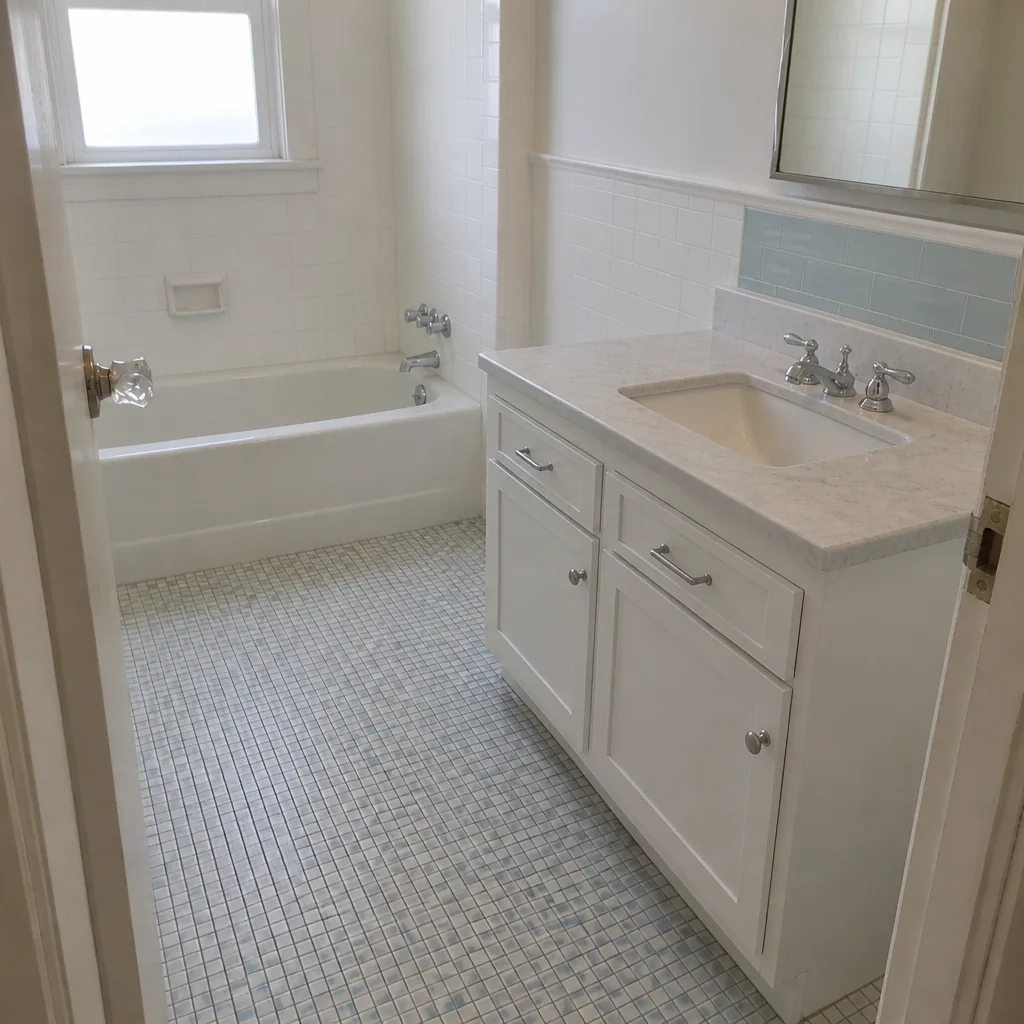 After
 Before
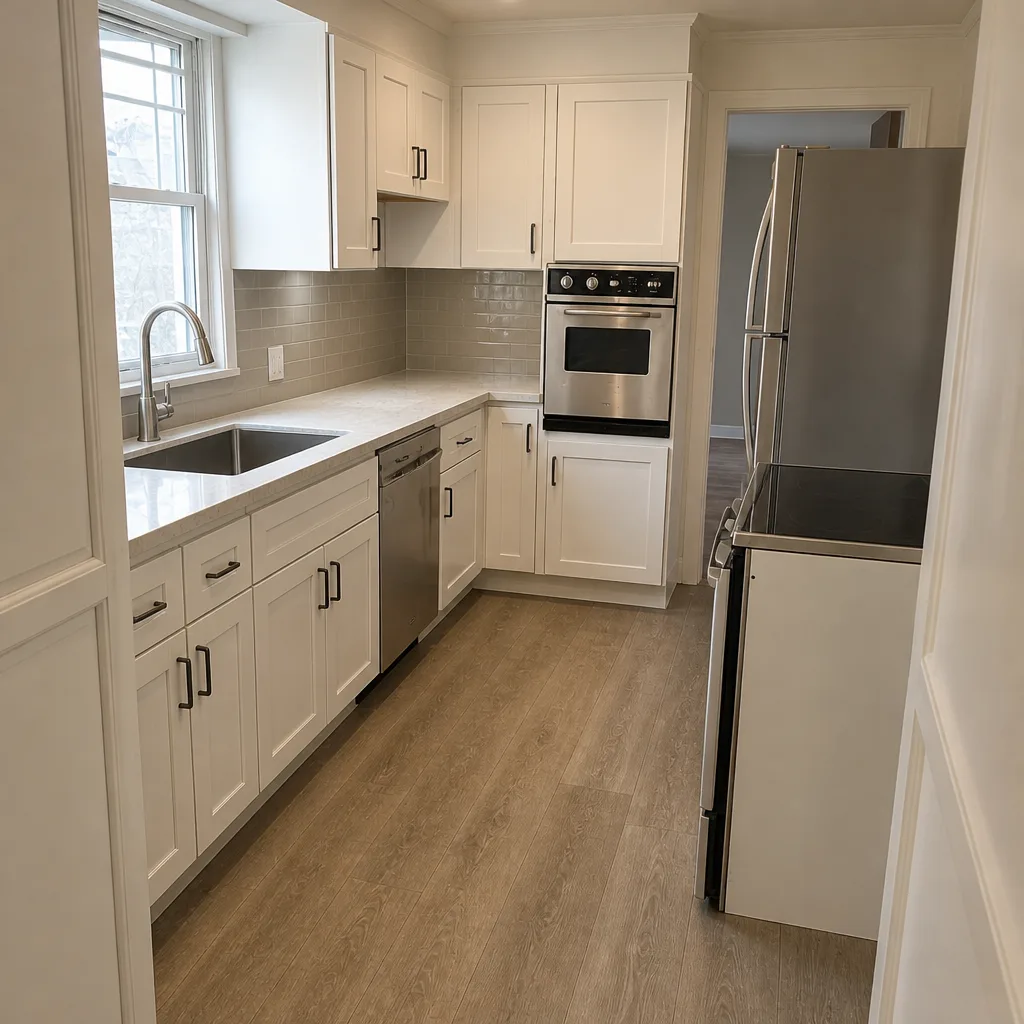 After
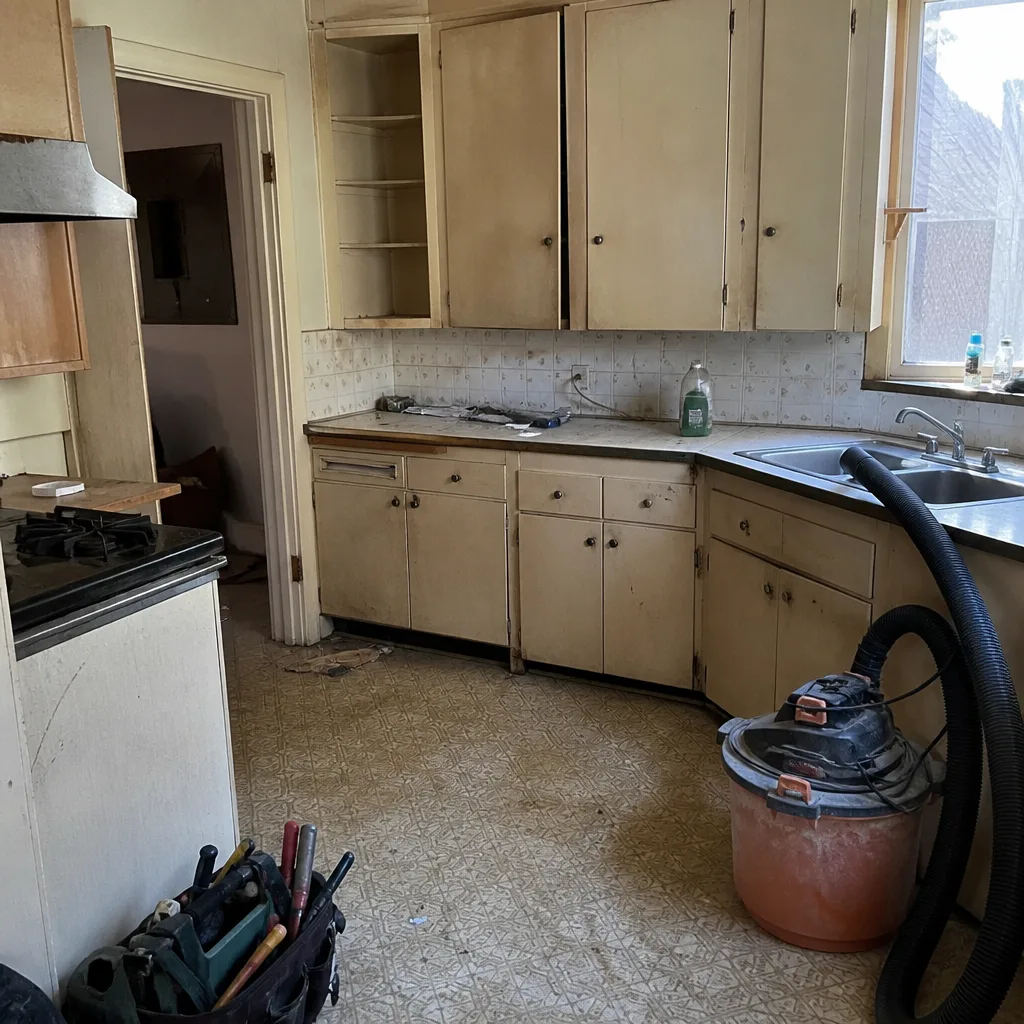 Before
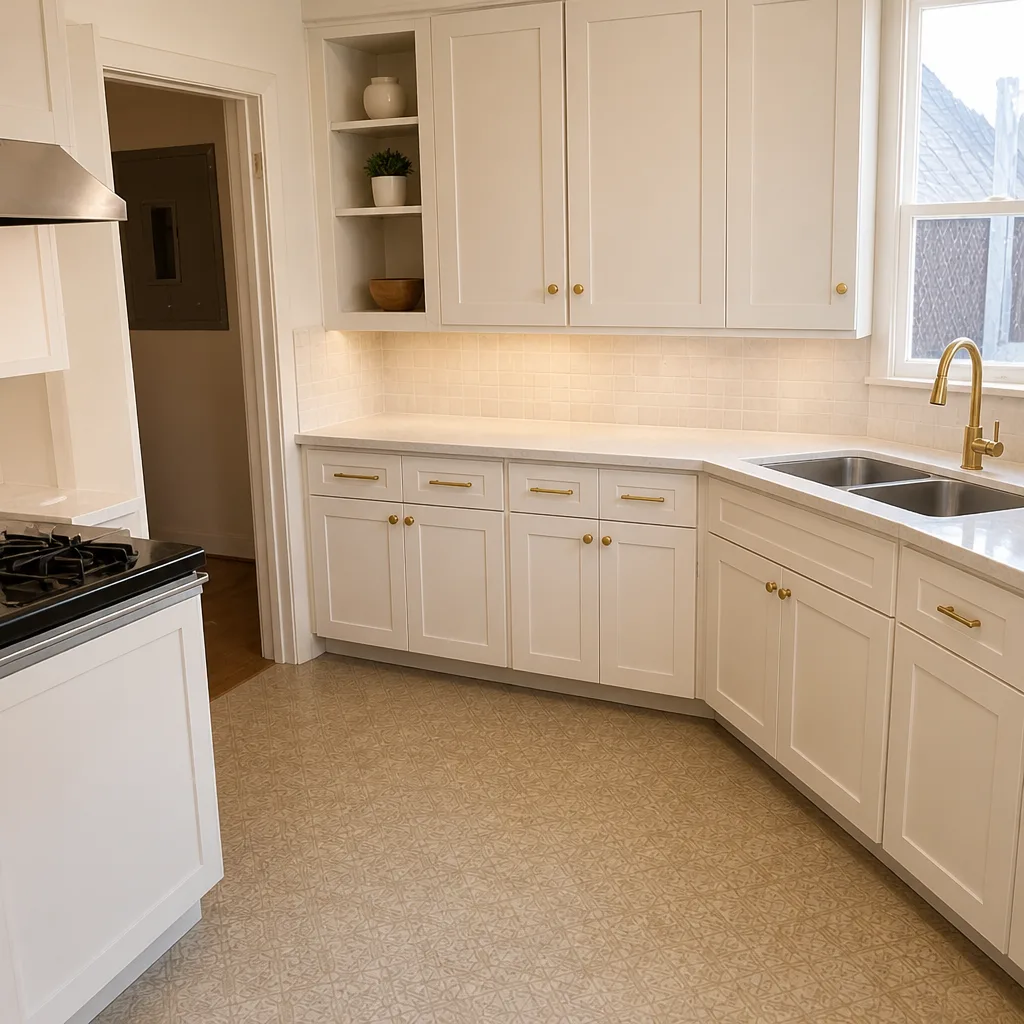 After
When to Call a Professional
Some seasonal care is a homeowner’s job: cleaning gutters, looking at joints, checking weatherstripping, walking the perimeter after the first big rain. Other items need a trained eye. Call a professional for any roof or attic inspection that involves climbing, any soft wood or staining on exterior walls or structural members, any window or door that’s leaking, any flashing detail, any deck connection concern, and any project that opens your house to the weather. Water damage compounds – what’s a $400 flashing repair in October is a $14,000 wall rebuild by February if it’s left through the wet season. Roof, attic, and high-access inspection in particular should always be a professional’s job: ladder and roof falls are the most common serious injuries on residential construction work. Penhallow Remodeling Oakland offers free estimates in Oakland – call (888) 403-1237 and we’ll walk you through what needs attention and what doesn’t.
Frequently Asked Questions
Late spring is the best window – typically April through May. Oakland’s wet season has usually ended by then, temperatures are moderate enough for proper paint cure, and the wood hasn’t yet fully dried and shrunk to its summer dimensions. Paint applied in spring flexes with the wood through the summer rather than cracking. August is workable but less forgiving; November starts almost always hit rain within the cure window and should be avoided. If you’re planning exterior paint as part of a bigger project, call (888) 403-1237 to schedule a free estimate and we’ll time it correctly.
A basic exterior and roof walk-around inspection typically runs $150-$350. Repairs vary widely by finding: re-caulking a window line is $200-$500, a flashing repair on a failing window is $400-$1,200, and replacing a small section of rotted siding with proper substrate repair is $800-$2,500. A full roof flashing and sealant overhaul on an older Oakland home runs $1,200-$3,500. These are mainland Oakland ranges; hills-area homes with steeper roof pitches and more complex envelopes trend 20-30% higher for the same scope. Call (888) 403-1237 for an exact quote on your house – estimates are free.
It depends on scope. Routine maintenance – caulking, painting, spot-trim repair – doesn’t require a permit. Structural repair, re-roofing, window replacement that changes the opening size, deck repair that touches the ledger or framing, and anything that alters the building’s envelope does require a permit through the City of Oakland’s Planning & Building Department. Re-roofing over an existing roof and full tear-offs both need permits. If you’re unsure, ask the contractor to pull the permit before work starts. Any contractor who discourages permits on permit-required work is telling you something about how they work. For a permit-included estimate, call (888) 403-1237.
Diablo winds are hot, dry offshore winds that arrive in the Bay Area in September and October, running from the interior toward the coast and pushing relative humidity down sharply. They matter for home maintenance because the dry air reveals moisture damage inside the building envelope – attic staining, rusted fasteners, cracked sealant, lifted ridge caps – that humidity keeps hidden the rest of the year. Use the Diablo wind window as your annual inspection month for roof, attic, and ventilation, before the first rain. Have a professional do any roof or attic work; call (888) 403-1237 for a free estimate.
Yes. Interior remodels are largely weather-neutral in Oakland because the house is under roof throughout, and Oakland has no freeze cycle to stop interior work. The sequencing question is about what the remodel touches on the exterior. If your kitchen or bath project opens an exterior wall, replaces a window, or involves anything that exposes the structure to weather, that exposed scope wants to land between April and October. Interior-only scopes are fine in any month. A kitchen remodel in Oakland can start in January without weather risk. For a scheduled estimate that accounts for the sequence, call (888) 403-1237.
It shouldn’t, and with us it doesn’t. Every Penhallow project starts with a written price before any work begins, and that’s the number on the invoice. If the scope changes because of what we find after demo – rotted sheathing behind a wall, a hidden framing issue – we stop, we measure, we write a new number and you approve it before we continue. Weather that blows a schedule doesn’t change a price; it changes a date, and we tell you before it changes. If a repair fails inside the 365-Day Done Right Promise period, we come back and fix it at no charge, and we don’t charge a service call to return. Call (888) 403-1237 for a written estimate and we’ll walk you through the guarantee in plain terms.
The Bottom Line

Oakland doesn’t run on four seasons. It runs on a wet season, a dry season, two marine-layer shoulders, and a Diablo wind window that most homeowners never use and should. Time exterior paint and roofing into late spring, before the wood dries and before the rain returns. Use the dry season to read your house’s joints – the gaps aren’t cosmetic, they’re a diagnostic. Inspect roof, attic, and soffits in the dry October window, not after the leak. Sequence any remodel that touches the exterior between April and October. And ask any contractor what their weather protocol actually is, in writing, before they start. That’s the whole calendar, and it’s a lot cheaper than the alternative.
Written by the team at Penhallow Remodeling Oakland.
If you’d like a professional walkthrough of what your Oakland house actually needs this season, call (888) 403-1237 for a free estimate. Penhallow Remodeling Oakland brings background-checked, uniformed technicians, a written price before any work starts, and the 365-Day Done Right Promise on every project – if something fails inside the guarantee period, we come back and make it right at no charge. Live phone coverage answers around the clock, and we’re glad to talk through your seasonal plan even if the project is months out.