Last updated November 18, 2026







Free written scope consultation - allowances, timeline, and change-order rules on paper before a single trade is scheduled
DIY vs Professional General Contractor: What’s Safe to Do Yourself
Painting your own living room is completely fine. Replacing your own electrical panel is not only dangerous, it can void your homeowner’s policy if your insurer finds the work during a fire claim, and in Oakland they do check. The DIY-versus-hire decision was never really about how handy you are. It’s about permit exposure, liability, and what happens when an inspector or a claims adjuster starts asking who did the work. This guide gives Oakland homeowners a clear framework: which tasks are genuinely safe to self-perform, which ones quietly create legal and financial risk, and how to hire a contractor for oversight and permit-pulling while keeping some of the labor yourself.
Quick Answer
In California, you can legally do almost any work on your own home without a contractor’s license, but you still need the same permits a pro would pull, and you assume all liability for the result. Safe DIY work means cosmetic and non-structural tasks like painting, tiling a backsplash, swapping fixtures, and light demolition. Anything touching structural framing, electrical service, gas lines, or the building envelope is where the savings evaporate the moment a permit, an insurance claim, or a resale disclosure surfaces. When in doubt, the permit requirement, not the skill level, is the line that matters.
Styles & brands we work with
- Kitchen remodeling
- Bathroom remodeling
- Home additions & ADU
- Roofing
- Windows & doors
- Driveway & pavers
- Fence
Table of Contents
- The California Permit Threshold Nobody Explains
- What Your Insurance Policy Actually Says About DIY Work
- How Unpermitted Work Follows You to Resale in Alameda County
- Tasks That Are Genuinely Safe to DIY (With Guardrails)
- How to Hire a GC for Permits and Oversight Only
- When the Job Crosses Into Structural or Life-Safety Territory
- Common Mistakes to Avoid
The California Permit Threshold Nobody Explains
California doesn’t require a licensed contractor to do work on a single-family home you live in. That surprises most homeowners. What it does require is a permit for the same categories of work regardless of who swings the hammer. The permit is tied to the scope, not to your name or your license status. This is the piece that trips people up: they assume that because they’re allowed to do the work, they’re off the hook for the paperwork. They’re not.
Here’s how the threshold breaks down in practical terms:
- Requires a permit, and a licensed contractor to pull it in most Oakland jurisdictions: structural alterations, additions, new or relocated electrical circuits, panel changes, gas line work, water heater replacement, roof replacement, and any work affecting the building envelope or egress.
- Requires a permit, but a homeowner can often self-pull as an “owner-builder”: kitchen and bathroom remodels with plumbing or electrical changes, deck repairs, and fence work over a certain height. Oakland’s permit office will typically allow the owner-builder route, but it comes with signed declarations of personal liability.
- Generally no permit needed: painting, flooring over existing subfloor, cabinet refacing, swapping a light fixture on an existing circuit, and cosmetic tile work that doesn’t disturb waterproofing or structure.
That middle category is where Oakland homeowners lose the most money. Self-pulling as an owner-builder means you, not a contractor, are legally on the hook for code compliance, inspection scheduling, and any corrections. If a wall you framed fails inspection, you eat the re-do. A licensed general contractor carries that burden instead, which is the entire point of hiring one. For projects where the permit itself is the hard part, our general contractor in Oakland team pulls the permits and schedules the inspections so you never touch the paperwork.
What Your Insurance Policy Actually Says About DIY Work
Most homeowners have never read the exclusions page of their policy. Pull it out. You’re looking for the phrase “faulty workmanship,” and what it covers is narrower than people assume. Standard homeowner policies exclude damage caused by the defective work itself. If you install a shower pan incorrectly and it leaks, the cost to fix the pan is on you. What your policy often will cover is the resulting secondary damage, the ruined drywall and warped flooring below, but only if the work was permitted and inspected.
That distinction is where DIY goes wrong financially. A burst supply line from a badly soldered joint is a water damage claim. An insurer investigating that claim can and does ask whether the plumbing was permitted. In Oakland, where a large share of the housing stock predates 1950 and has already been through multiple unpermitted renovations, adjusters are already primed to look. If they find that a fire started in an unpermitted, self-installed electrical junction, the claim can be denied outright, not just the repair but the whole loss.
The flip side is real too. Licensed, permitted, inspected work comes with a paper trail. That trail is what makes a claim go smoothly. It’s also why our work is backed in writing: a Penhallow Remodeling Oakland project carries the 365-Day Done Right Promise, so if something fails inside that window we come back and fix it at no charge, and the job was permitted and inspected on the way in. The guarantee and the permit reinforce each other.
How Unpermitted Work Follows You to Resale in Alameda County
In California, you must disclose to a buyer any known work done without permits. That’s not optional, and it’s not a small note in the listing. It goes on the Transfer Disclosure Statement, and buyers’ inspectors are trained to spot it. What they look for in Oakland specifically:
- Mismatched or absent permit records in the city’s online permit history for the address, which any buyer or their agent can check.
- Structural clues like headers that look undersized, framing that doesn’t match the era of the house, or additions that appear on no tax record.
- Electrical red flags including newer outlets fed from an old panel, unlabeled breakers, and junction boxes buried behind drywall.
- Bathroom and kitchen tells like a shower with no visible waterproofing membrane, or a stove hood vented into a wall cavity instead of outside.
Any one of these can turn into a price renegotiation or a lost sale. Buyers’ agents in Oakland routinely demand permit retroactive approval or a credit for demolition and redo when they find unpermitted additions. The money you saved on labor can cost two or three times that at closing. A licensed contractor’s paper trail is a resale asset, not just a compliance box.
Tasks That Are Genuinely Safe to DIY (With Guardrails)
We’re not here to talk every confident homeowner out of a paintbrush. Plenty of work is low-risk, reversible, and doesn’t touch the systems that carry insurance or permit exposure. Here’s where DIY makes sense, and the guardrail for each.
Painting, interior and exterior
Fully fine. The only guardrail: on pre-1978 homes, assume lead paint until tested, and don’t dry-sand. That includes a lot of Oakland’s older housing stock in neighborhoods like Temescal and Rockridge. Use wet methods and a HEPA vacuum.
Cosmetic tile and backsplash
A kitchen backsplash or a decorative floor tile over an existing sound subfloor is safe DIY. The guardrail: don’t touch shower waterproofing. A tile job over a failed membrane looks fine for a month and rots the framing behind it for a year.
Light demolition without structural impact
Pulling out old cabinets, tearing up carpet, removing non-load-bearing closet partitions. The guardrail: know which walls are load-bearing before you swing, and don’t remove anything with a wire or pipe running through it without shutting the circuit or the water at the main first.
Fixture swaps on existing circuits
Replacing a faucet, a light fixture, or a toilet on the existing supply and drain is reasonable for a careful DIYer. The guardrail: if anything requires a new circuit, moving a drain, or opening a wall, stop. That’s permit territory.
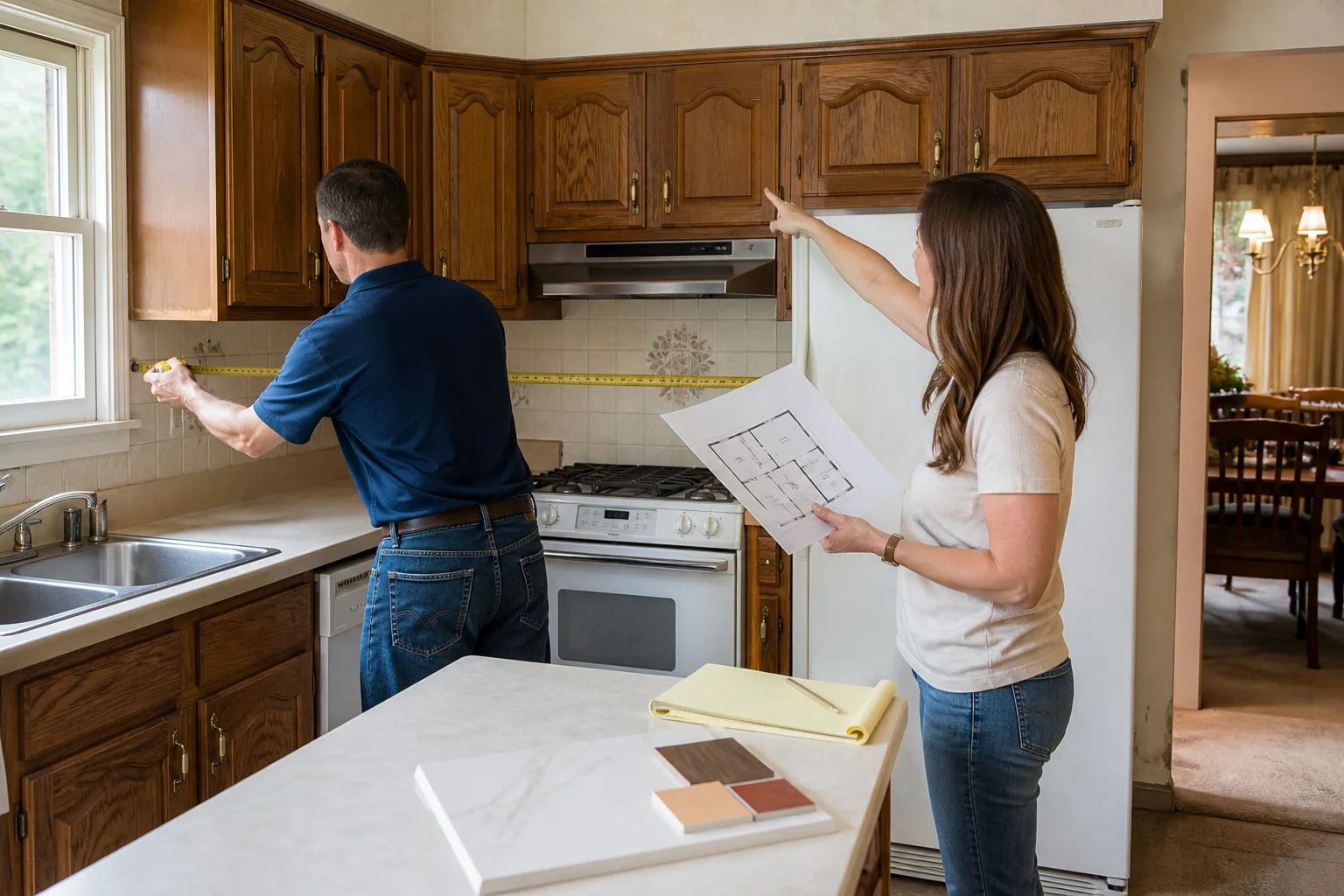
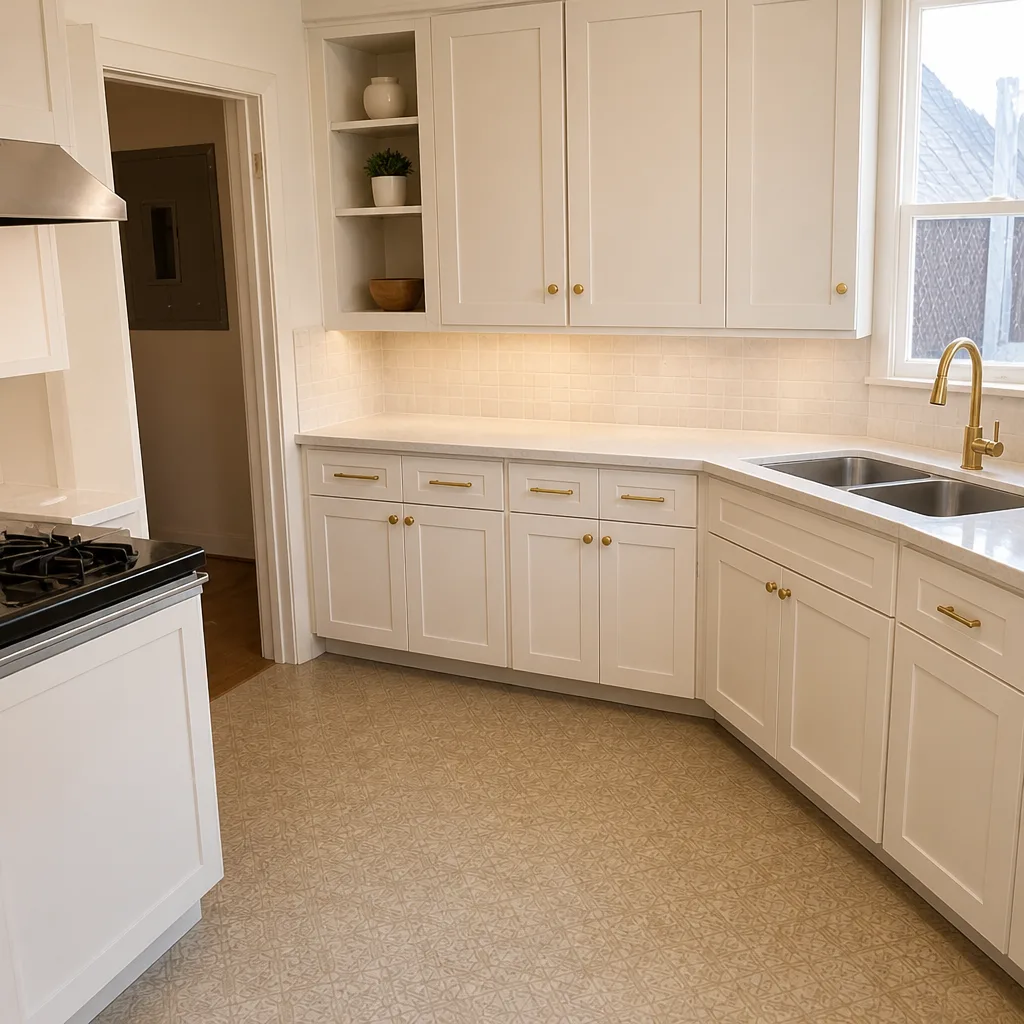
What all of these have in common: if it goes wrong, it’s cosmetic or easily corrected, and no inspector or adjuster will need to ask who did it. Our kitchen remodeling in Oakland projects routinely hand homeowners the demo and painting portion while we handle everything downstream of the permit line. That balance is often the best of both.
How to Hire a GC for Permits and Oversight Only
You don’t have to choose between an all-or-nothing DIY job and a full general contractor contract. A legitimate remodeling company will structure a project where you keep some of the labor and they handle the parts that carry risk. Here’s the framework we use, and what you should ask any contractor for:
- Scope split in writing. The contract should state exactly which tasks are yours and which are theirs, with a written price for the contractor’s portion before work starts. Not a range. A number.
- Permit-pulling and inspection scheduling. The GC pulls the permits, holds the inspection calendar, and owns the corrections if something fails. Confirm this in the scope document.
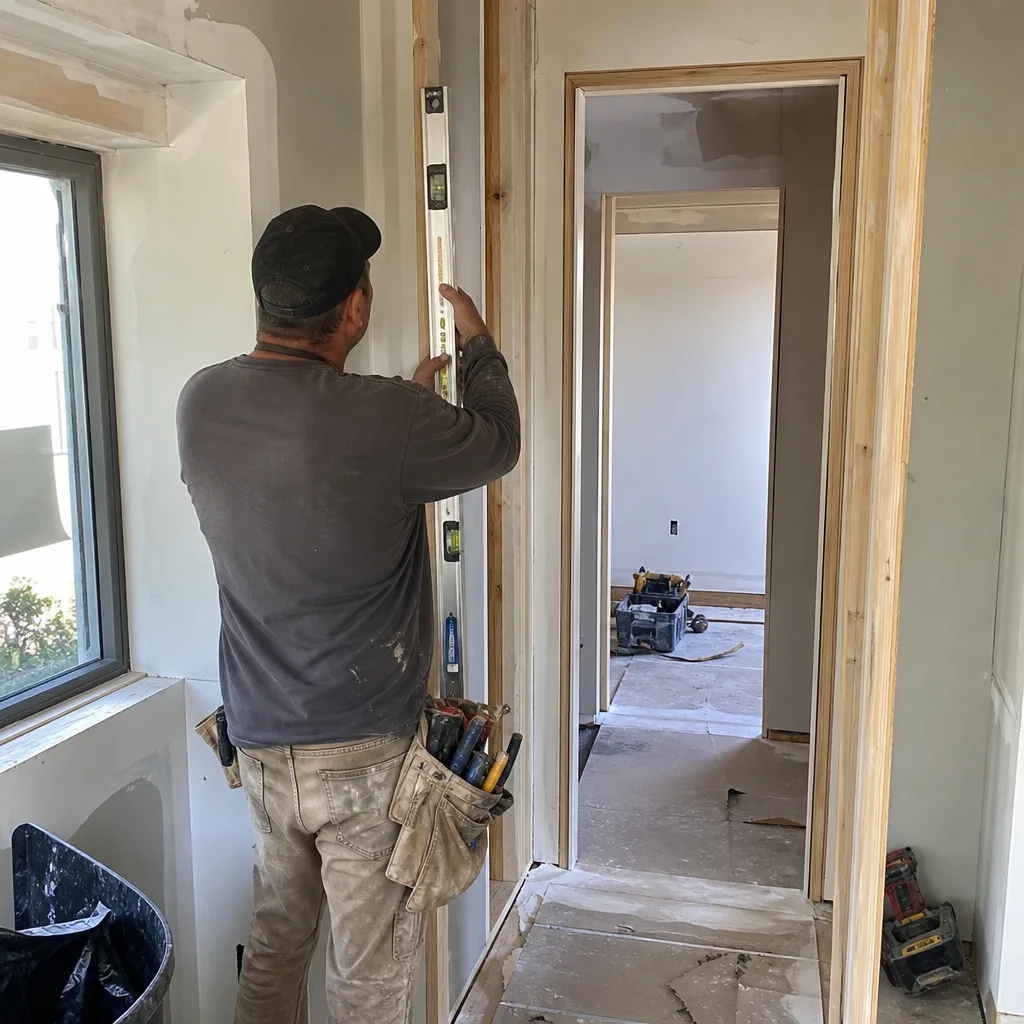
- Sequencing and safety handoffs. They tell you when the framing inspection is done and it’s safe for you to hang drywall or paint. Ask for that handoff in writing so there’s no confusion about who’s responsible for what at each stage.
- Defined arrival windows and clean-site standard. This is where The Kingswell Way shows up: say the price before the work, show up in the window we gave, leave the place cleaner than we found it.
- A written guarantee covering the contractor’s work. Your own labor isn’t covered, but the permitted, inspected portion should be. We back ours with the 365-Day Done Right Promise plus a free return visit if a covered repair fails.
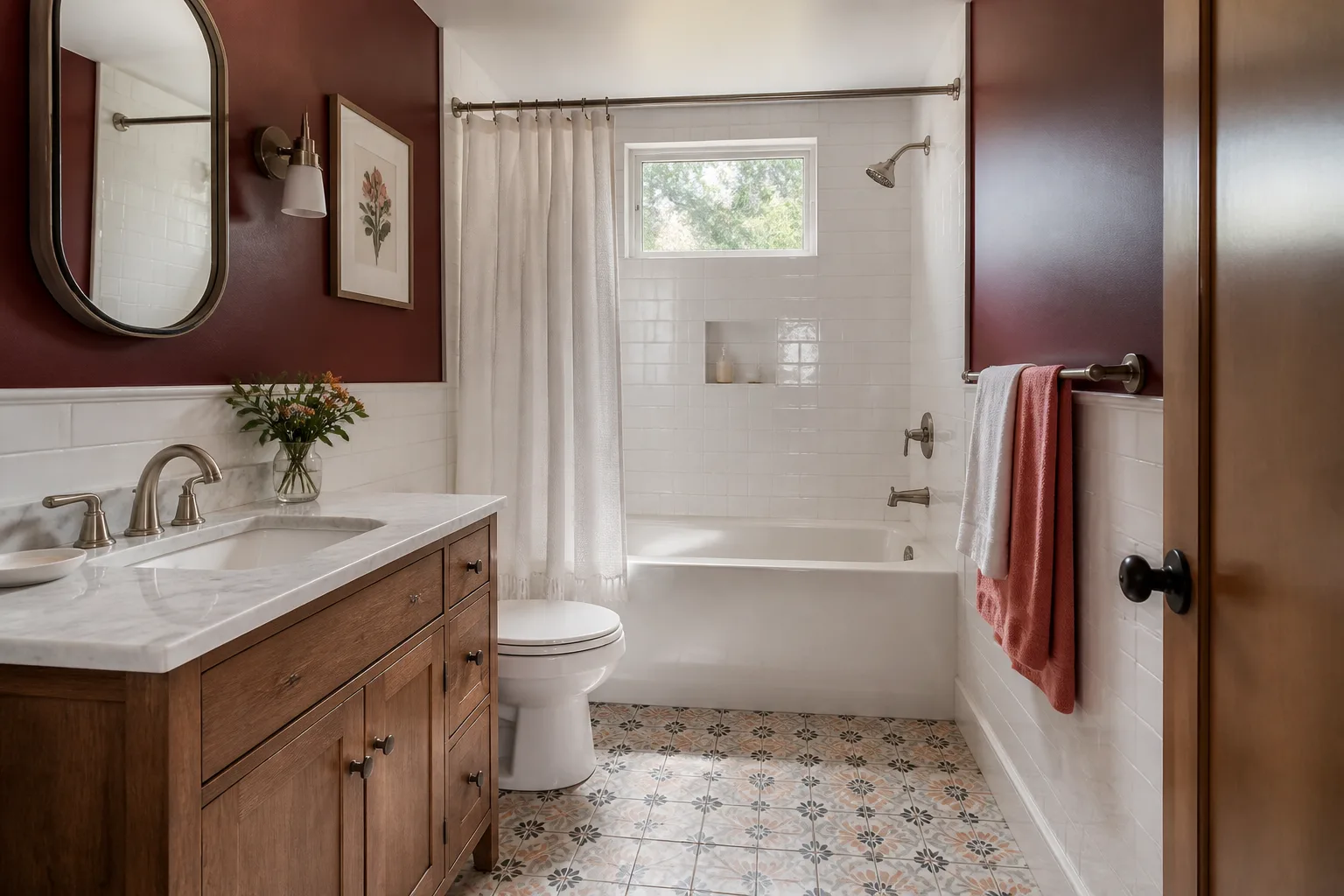
Any contractor who won’t structure a project this way is telling you something. A vague verbal estimate that changes scope mid-job is the exact pattern homeowners come to us to escape. If your bathroom remodeling in Oakland plan includes you doing demo and the GC doing the wet work, that’s a conversation worth having, in writing.
When the Job Crosses Into Structural or Life-Safety Territory
Some work is off-limits for DIY not because of paperwork but because the failure mode is a person getting hurt. In our experience across Oakland remodels, these categories are non-negotiable: hire a licensed, permitted professional.
- Electrical service and panel work. The main panel and anything upstream of it can kill you, and it can void a fire claim. The insurer will ask for the electrician’s permit.
- Gas line work. A slow gas leak is odorless and lethal. This is a licensed-plumber-only job in every jurisdiction, and it’s the one category where there is no gray area whatsoever.
- Structural framing, load-bearing walls, and foundation. Moving or removing a load-bearing wall without an engineer’s stamp and a permit is the single most expensive mistake homeowners make, especially in Oakland’s older hillside homes where the foundation is doing more work than the drawing shows.
- Roof and the building envelope. Steep-pitch roof work has a genuine fall hazard, and improper flashing causes rot that eats a remittance’s worth of savings. James Hardie siding installation is the same story: the product warranty depends on proper installation, and if it’s done wrong the warranty is void.
- Waterproofing in wet areas. This is the classic “fails six weeks later” job. A shower that isn’t properly waterproofed behind the tile looks perfect until the framing underneath gives way.
If you’re staring at a project on this list, the right call is to get a free estimate rather than a YouTube video. Call (888) 403-1237, and we’ll tell you plainly what needs a permit and what you can safely keep for yourself.
Common Mistakes to Avoid
- Assuming no license needed means no permit needed. California lets you work on your own home, but it doesn’t waive the permit for structural, electrical, plumbing, or gas work. Skipping it is the mistake that surfaces years later at resale.
- Self-pulling as an owner-builder to save a few hundred dollars. The owner-builder declaration puts the full code-compliance risk on you. If a wall you framed fails inspection, you pay for the correction and the re-inspection.
- Not reading the “faulty workmanship” exclusion before a big DIY push. If your insurer can trace a loss to unpermitted DIY work, the claim can be denied entirely, not just the defect.
- Removing a wall without confirming it’s not load-bearing. Oakland’s bungalows and hillside houses are full of surprises once you open the ceiling. Get structural confirmation before demo, not after.
- DIY waterproofing in a shower. This is the number one “we have to tear it all out” call we get. A properly installed cement board substrate and waterproofing membrane is a system, not a tube of sealant.
- Accepting a verbal estimate for the contractor portion. A range that changes at the door is a red flag. Insist on a written price before work starts, and a written guarantee covering the permitted work.
- Forgetting the resale disclosure. Unpermitted work must be disclosed in Alameda County, and buyers’ inspectors are looking for exactly the clues a contractor would flag.
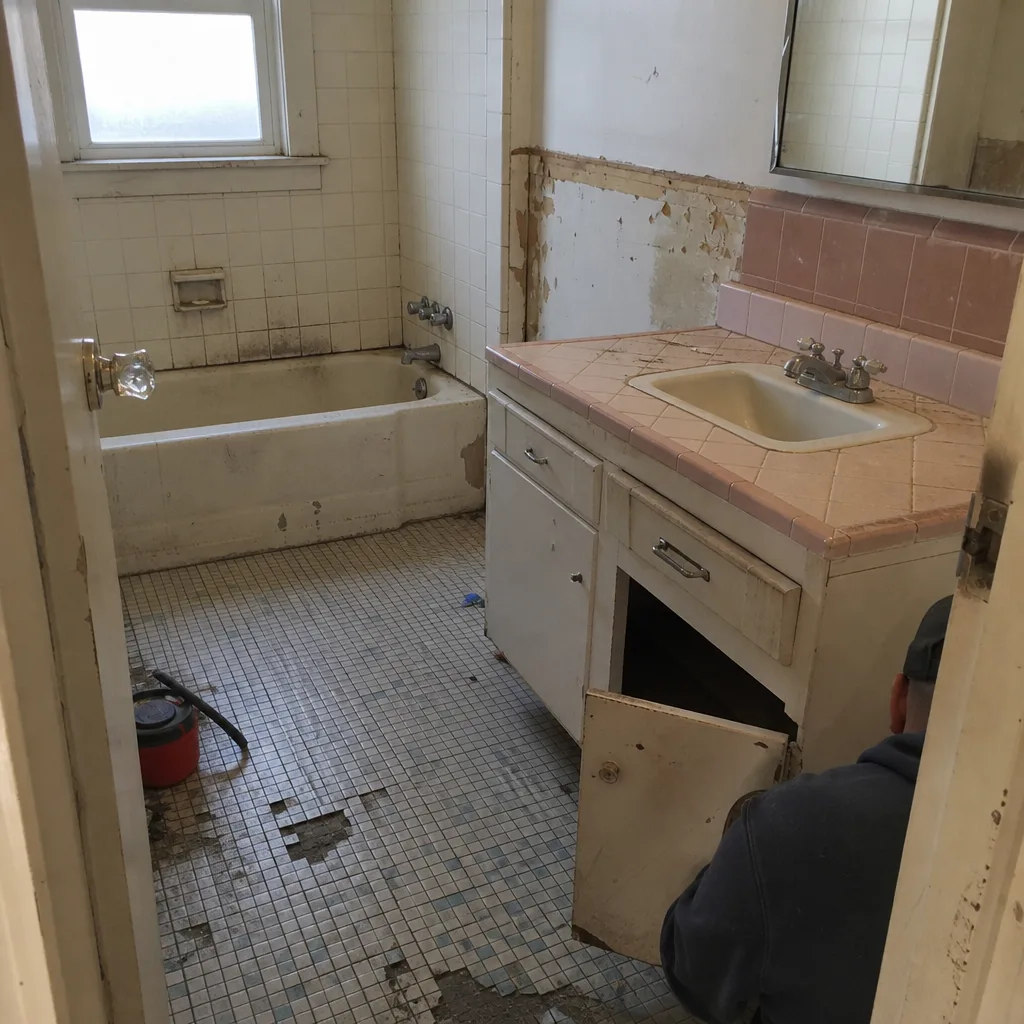
See the difference
 Before
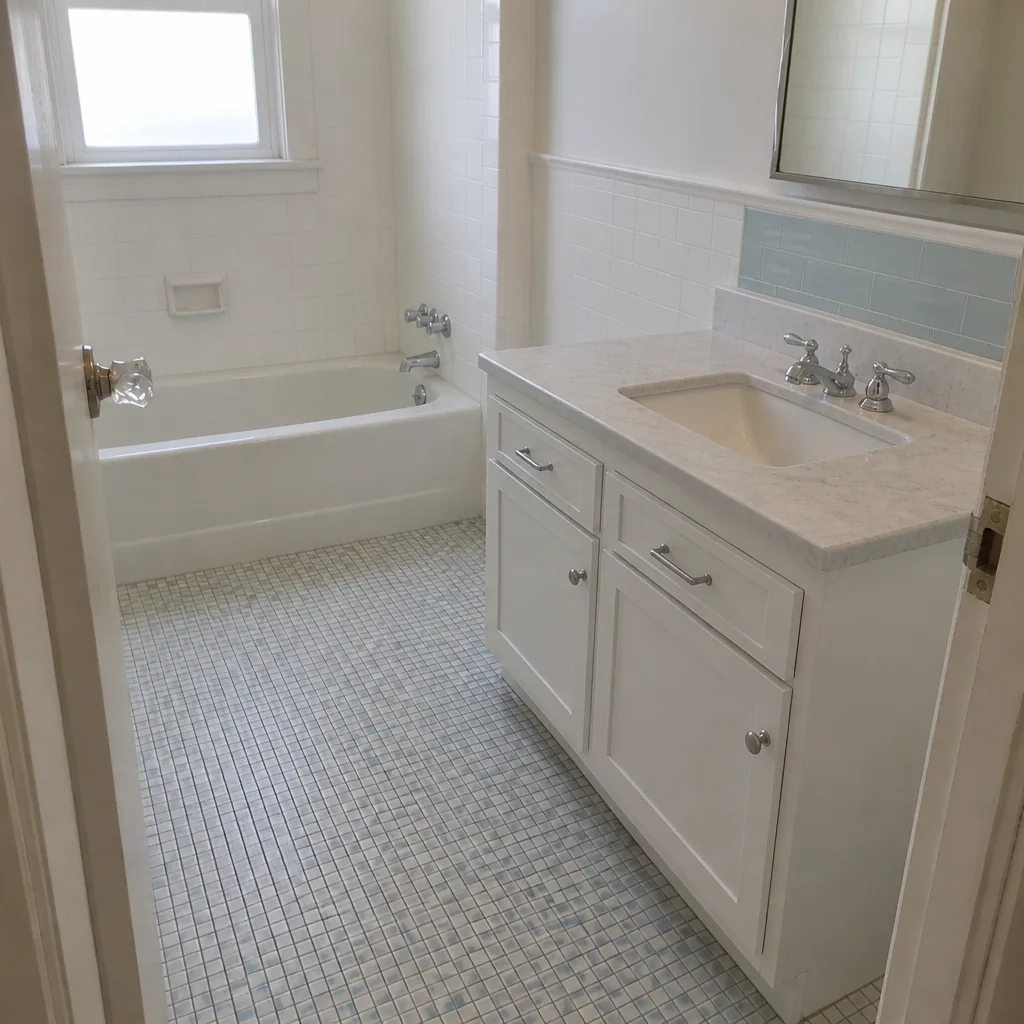 After
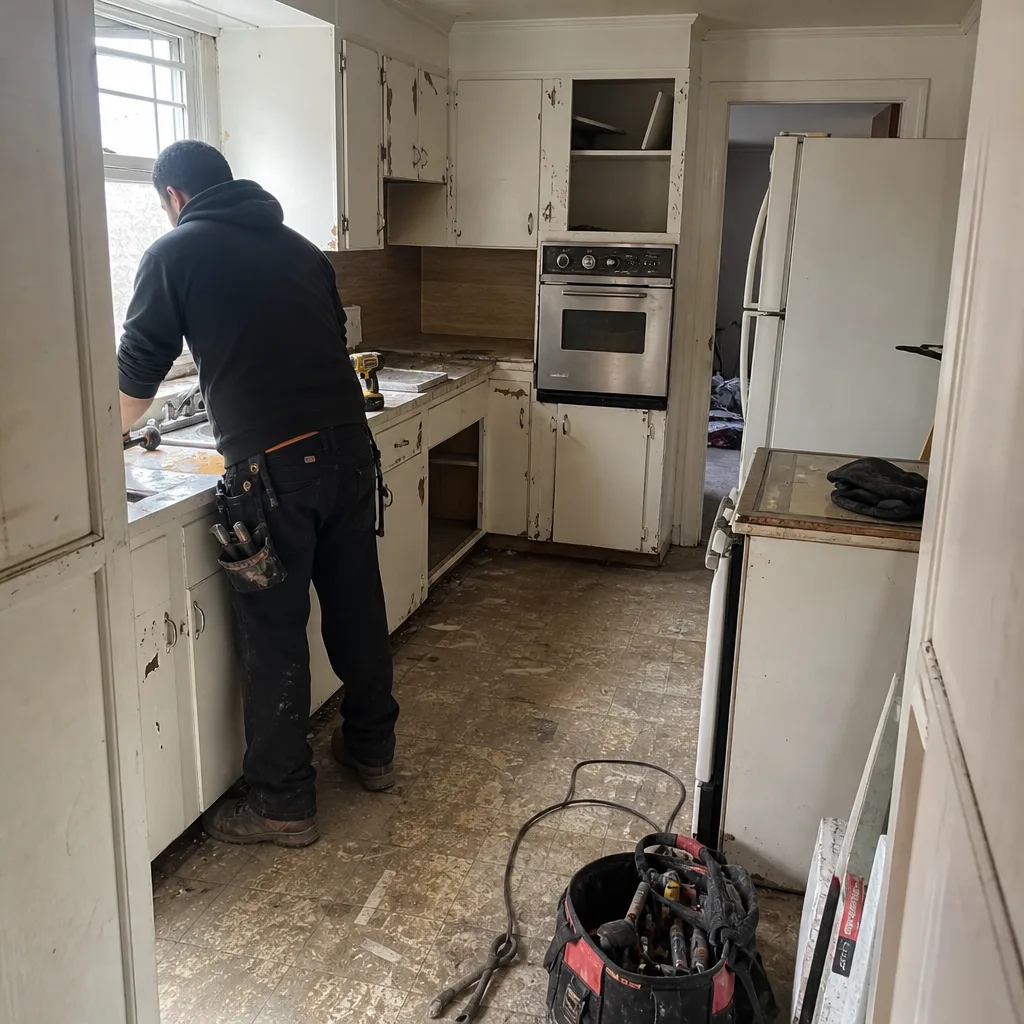 Before
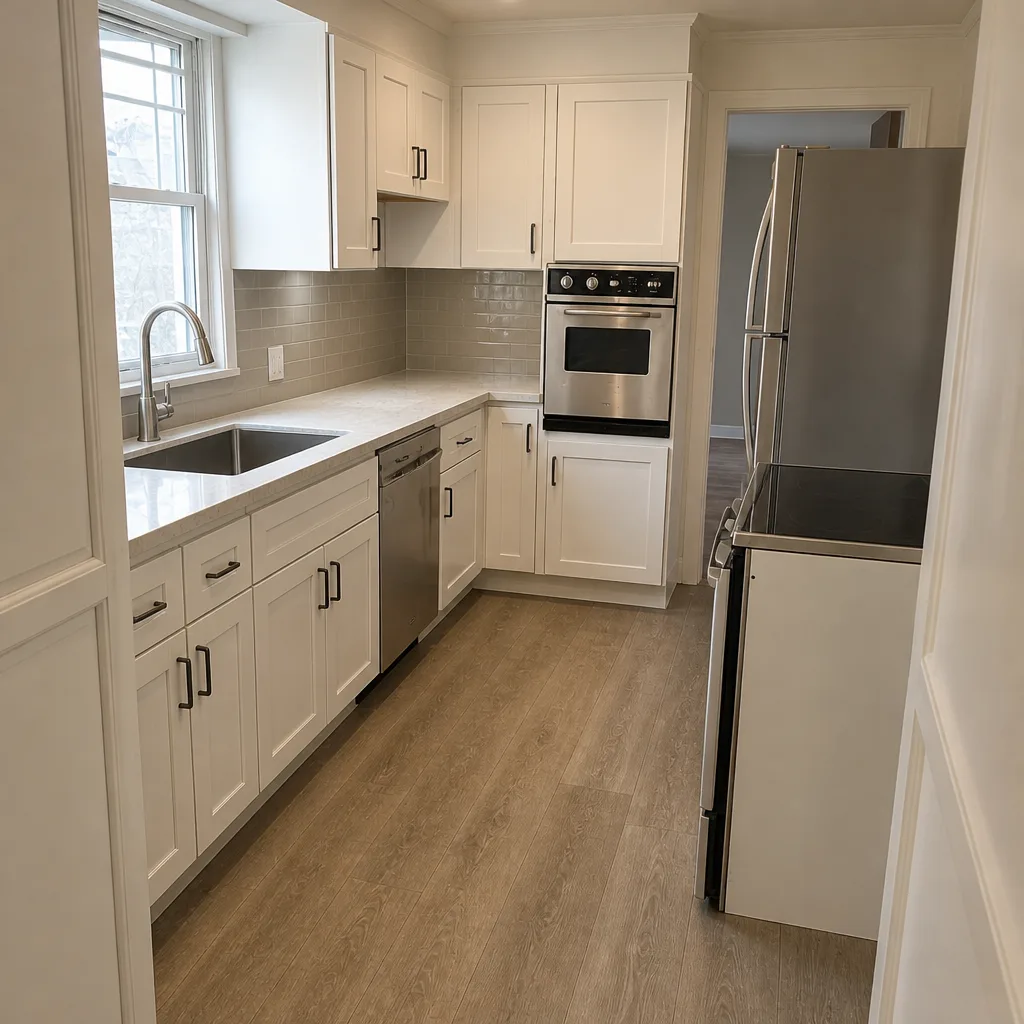 After
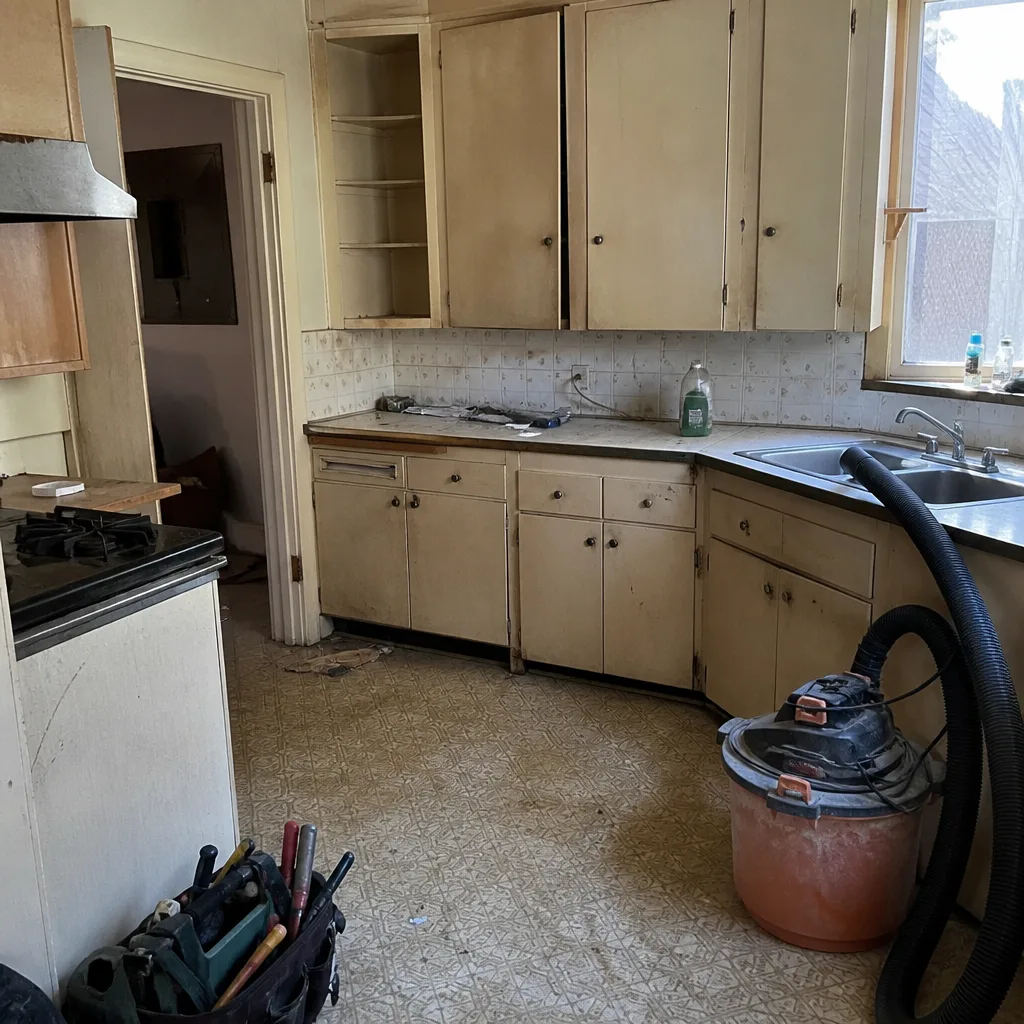 Before
 After
When to Call a Professional
Call a licensed contractor when the project touches the building’s structural frame, the electrical service, gas lines, or waterproofing in wet areas; when a permit is required and you’d otherwise self-pull as an owner-builder; when you’re planning to sell within a few years and disclosure matters; or when the failure mode is genuinely dangerous rather than cosmetic. If you’re unsure which side of the line a task lands on, that uncertainty is itself the signal to ask. Penhallow Remodeling Oakland offers free estimates in Oakland, and a real person answers the phone around the clock. Call (888) 403-1237 to schedule yours, and we’ll tell you exactly which parts of the job we’d pull the permits for and which parts are safe to keep.
Frequently Asked Questions
No. In California, you can legally do work on a single-family home you live in without a contractor’s license, but you still need the same permits a licensed professional would pull, and you assume all liability for the result. The permit requirement is tied to the scope of work, not to who does it.
Often yes, for projects like kitchen or bathroom remodels with plumbing and electrical changes, deck repairs, and similar work. The trade-off is that the owner-builder declaration puts full code-compliance and correction responsibility on you. If you’d rather not carry that risk, a licensed general contractor pulls it and owns the inspections.
It can. Standard policies exclude damage caused by faulty workmanship, but the bigger exposure is that if a fire or water loss traces back to unpermitted, self-installed work, the insurer can deny the claim. Oakland’s older housing stock and adjusters’ familiarity with it make this a real risk, not a theoretical one.
You must disclose known unpermitted work on the Transfer Disclosure Statement. Buyers’ inspectors are trained to spot permit mismatches in the city’s records, undersized headers, and old-panel-plus-new-outlet combinations. In practice it usually becomes a price renegotiation or a demand for retroactive approval, often costing more than the original labor you saved.
Painting, cosmetic tile over a sound subfloor, light demolition without structural impact, and fixture swaps on existing circuits. The guardrail on each: don’t disturb structural framing, waterproofing, or anything that requires a new circuit or a drain relocation. If it goes wrong, it’s cosmetic and reversible.
Yes, and it’s often the best balance. A legitimate contractor will structure a written scope that splits the work, pulls the permits, schedules inspections, and hands you the safe labor stages in sequence. Insist on a written price for the contractor portion and a written guarantee covering their work before anything starts.
The Bottom Line

The DIY-versus-hire decision isn’t really about skill. It’s about permit exposure, insurance liability, and what a resale disclosure will reveal. Cosmetic, non-structural work is genuinely safe to keep for yourself, and we’ll hand it to you on a scope document. Structural framing, electrical service, gas, and waterproofing carry legal and safety risk that outweighs any savings. The permit requirement is the line that matters, not confidence. If you’re not sure which side a task falls on, the uncertainty is the answer: call (888) 403-1237 for a free estimate, and we’ll give you the written price and the written guarantee before any work starts.
Written by the team at Penhallow Remodeling Oakland.