Last updated November 18, 2026






Free written scope consultation - allowances, timeline, and change-order rules on paper before a single trade is scheduled
General Contractor Warning Signs Every Homeowner Should Know
A contractor who gives you a number on the spot, without measuring anything, isn’t being efficient. They’re pricing from the gut, which means the real number arrives later as a change order after your cabinets are already in a dumpster. The red flags that predict a bad remodel almost always show up before anyone swings a hammer: in the estimate, the contract language, the payment schedule, and that first conversation. Homeowners miss them because they’ve never seen what a good version looks like side by side. This guide teaches pattern recognition, not paranoia. We’ll walk through the signals we watch for in Oakland and how to check a contractor in about ninety seconds.
Quick Answer
The biggest warning signs of a bad general contractor are vague or verbal pricing, allowances and “as needed” language with no numbers attached, a payment schedule front-loaded above 10% or tied to nothing, reluctance to pull permits, and a guarantee that exists only in conversation. Any one of these deserves a second look. Two or three together is your signal to walk away and get another bid. A legitimate contractor gives you a written price before work starts, defines every line, and puts the guarantee in writing.
Styles & brands we work with
- Kitchen remodeling
- Bathroom remodeling
- Home additions & ADU
- Roofing
- Windows & doors
- Driveway & pavers
- Fence
Table of Contents
- Warning Sign #1: The Estimate Has No Numbers
- The Contract Language That Predicts a Scope Dispute
- Why a Contractor Who Discourages Permits Is a Red Flag
- Payment Schedule Red Flags
- What a Real Written Guarantee Looks Like
- The 90-Second CSLB License Check Most Homeowners Skip
- Red Flags by Project Stage: A Checklist
Warning Sign #1: The Estimate Has No Numbers
An estimate is supposed to be a document you can compare against another document. When it’s a single line item that says “kitchen remodel: $32,000” with no breakdown, you’ve been handed a guess dressed up as a bid. The breakdown is where the honesty lives. You should see line items for demolition, framing, electrical rough-in, plumbing rough-in, drywall, cabinetry, countertops, tile, paint, and cleanup, each with a dollar figure or a defined allowance.
Compare these two garage-and-hallway remodel bids. Same Oakland house, same square footage, roughly the same finish level.
- Bid A (the one we’d be wary of): “Remodel: $46,000. Cabinets, counters, tile per owner selection. Allowance $6,000.” Total on paper: $52,000. Nothing tells you what happens when “owner selection” exceeds $6,000.
- Bid B (the one you can hold someone to): $46,000 base, plus a defined cabinetry allowance of $6,000 for a specific KraftMaid line, a defined countertop allowance of $2,800 for a Silestone slab, and a written note that anything over those numbers gets your approval in writing before it’s ordered.
Both bids say “allowance.” Only one of them will still be an estimate on the day the dumpster leaves. When you see real line items, you know the contractor actually measured the space, priced their labor and material separately, and is willing to be held to the total. If a bid is a lump sum with no breakdown, ask for the breakdown before you sign anything. A contractor who won’t itemize is telling you something.
The Contract Language That Predicts a Scope Dispute
Every remodel has a dispute season. It’s the two weeks after demolition when you find out what’s behind the wall. Good contracts survive that season clean. Bad contracts turn it into a fight. The language in the contract tells you which kind you’re about to sign.
Three phrases appear in almost every bad contract. Watch for them and ask what they mean in actual dollars.
- “Allowance” with no number attached. An allowance without a dollar figure is a promise to argue later. Ask for the exact dollar amount and what the overage process looks like.
- “As needed” or “as required.” It sounds responsible. It means the contractor decides what’s needed and you pay for it. Ask exactly which items fall under “as needed” and which are fixed.
- “Per owner selection” attached to a line item without a budget. Fine in principle. It becomes a problem when the contractor’s maximum and yours have never been compared out loud.
The good version reads like this: “Allowance for tile in main bath: $1,800, based on $12/sq ft installed. Owner may select above this rate; any increase is approved in writing before order and added to the next milestone invoice.” That sentence is a plan. The vague version is a warning. Our Kitchen Remodeling in Oakland page shows what itemized pricing looks like in practice, and you can hold any contractor’s bid next to it.
Why a Contractor Who Discourages Permits Is a Red Flag
When a contractor tells you to skip the permit because “it’ll save us time” or “nobody pulls for a small job,” that’s a warning, not a favor. Permits protect you. They get an inspector on site to check electrical, plumbing, structural, and fire-blocking work against code, which is the layer of oversight that catches mistakes before they’re buried behind drywall. The permit also creates a paper trail. When you sell, your buyer’s inspector sees the permit history, and a remodel with no record can stall a sale or drag the price down.
California law is clear about who can pull a permit. A licensed contractor may pull permits for work they’re performing under their license, and homeowners can pull their own permits for work they’ll do themselves. A contractor working for hire cannot legally have you pull the permit in your name to sidestep the process. When a contractor refuses to pull a permit for work they’ll do, that’s not a shortcut. It’s a sign they may not be licensed, or they don’t want an inspection.
Oakland has permit realities that show up in every remodel. Older homes in neighborhoods like Temescal and Rockridge often have knob-and-tube or early cloth wiring that fails inspection and requires an upgrade before the final sign-off. Additions and structural changes trip Oakland’s zoning review, which takes time. A contractor willing to pull the permit is a contractor willing to deal with those realities openly, before they find your bank account. Our team at Penhallow Remodeling Oakland pulls permits as a standard part of every project that requires one, and the inspection history is your second layer of protection behind the written guarantee.
Payment Schedule Red Flags
How a contractor asks to be paid tells you almost everything about how the job will go. The deposit protects them. The milestone structure protects you. When the front end of the schedule is too heavy, the contractor is using your money as working capital. That’s the beginning of a project that stalls in week three while they chase the next job to fund yours.
Here are the specific payment signals worth flagging:
- A deposit over 10%. On most residential remodels in Oakland, 10% down or $1,000, whichever is lower, is the standard and covers the up-front material deposits. Requesting 30% or 50% before anyone swings a hammer is the single biggest warning sign in the schedule.
- Cash only. A contractor who insists on cash is often a contractor without the insurance, license, or reporting structure that lets them take a check. Ask for a written invoice with the contract number on it.
- No milestones. Money that isn’t tied to a defined stage (demo complete, rough-in passed inspection, drywall complete, cabinets set, final walk-through) has no brakes. Any payment should be released when a stage is done and inspected, not on a calendar date.
- The last payment is tiny. A final payment of $500 on a $60,000 job gives the contractor no financial reason to come back and finish. The final payment should be meaningful, often 5-10%, held until the punch list is closed and the guarantee is in writing.
A written schedule that ties each payment to a stage, and each stage to an inspection or sign-off, is the version you want. The number starts where it ends.
What a Real Written Guarantee Looks Like
“We stand behind our work” is not a guarantee. It’s a sentence that disappears the moment the final check clears. The verbal version sounds convincing because every contractor says it. The written version is what you can actually use in month fourteen when a repair starts to fail.
A real guarantee has four parts, and you should be able to read them on paper before you sign:
- What’s covered. Which work, which materials, and whether the manufacturer’s warranty on the cabinets or countertops stacks alongside the contractor’s warranty or replaces it.
- How long it lasts. A guarantee period that starts the day work is complete and runs for a defined number of months. Ours is the 365-Day Done Right Promise, in writing on every project.
- What happens if it fails. Whether you pay a trip fee, what the response window is, and who performs the repair. A free return visit if a repair fails, with no service call fee, is the standard we hold ourselves to.
- How to invoke it. A name, a phone number, and a process. If the guarantee doesn’t say where to call when something goes wrong, it’s a story, not a warranty.
Ask any contractor for the written version before you sign. If they can’t hand you a document with those four parts, you’ve learned what you needed to know. The 365-Day Done Right Promise on every Penhallow project puts all four on paper. Our Bathroom Remodeling in Oakland page walks through how that guarantee works alongside manufacturer warranties on tile and fixtures.
The 90-Second CSLB License Check Most Homeowners Skip
California makes this almost too easy to skip. The Contractors State License Board (CSLB) runs a free public lookup at cslb.ca.gov, and you can do a full license check in about ninety seconds. Most homeowners don’t bother. That’s the gap a bad contractor counts on.
Here’s the check, step by step:
- Go to cslb.ca.gov and click “Check a Contractor License.”
- Enter the license number the contractor gave you in the estimate. If they didn’t give you one, that’s already a warning.
- Confirm the license is active and the classification matches the work. A B-General Building license covers most residential remodels. A C-license is a specialty license (electrical, plumbing, tile), and a contractor who only holds a specialty license cannot legally take on the full scope of a whole-home remodel on their own.
- Check the bond status. California requires licensed contractors to carry a surety bond, and the CSLB record shows whether it’s current.
- Scroll to the complaint history. A single complaint can be anything. A pattern of complaints in the last three years, especially unresolved ones, tells you something else.
What the results actually tell you: an active license with the right classification and a current bond means the contractor is operating legally in California and there’s a bond you can file against if things go wrong. A suspended license, an inactive license, or no license at all means the contractor can’t legally contract for the work and has no bond behind it. An unlicensed contractor who takes a deposit over $500 for a residential job is committing a crime in California, and you have very little recourse. Ninety seconds now saves a year of arguments later. Our Penhallow Remodeling Oakland team will give you the license information with the written estimate on the first visit.
Red Flags by Project Stage: A Checklist
Warning signs show up in a predictable order. Use this as a checklist at each stage, whether you’re hiring for a bathroom refresh in Adams Point or a whole-home remodel in Montclair.
- First phone call: No live person answers, or the call goes to an answering service that can’t quote a range. Also watch for pressure to sign today because “the price goes up next week.” Real contractors don’t run countdown clocks.
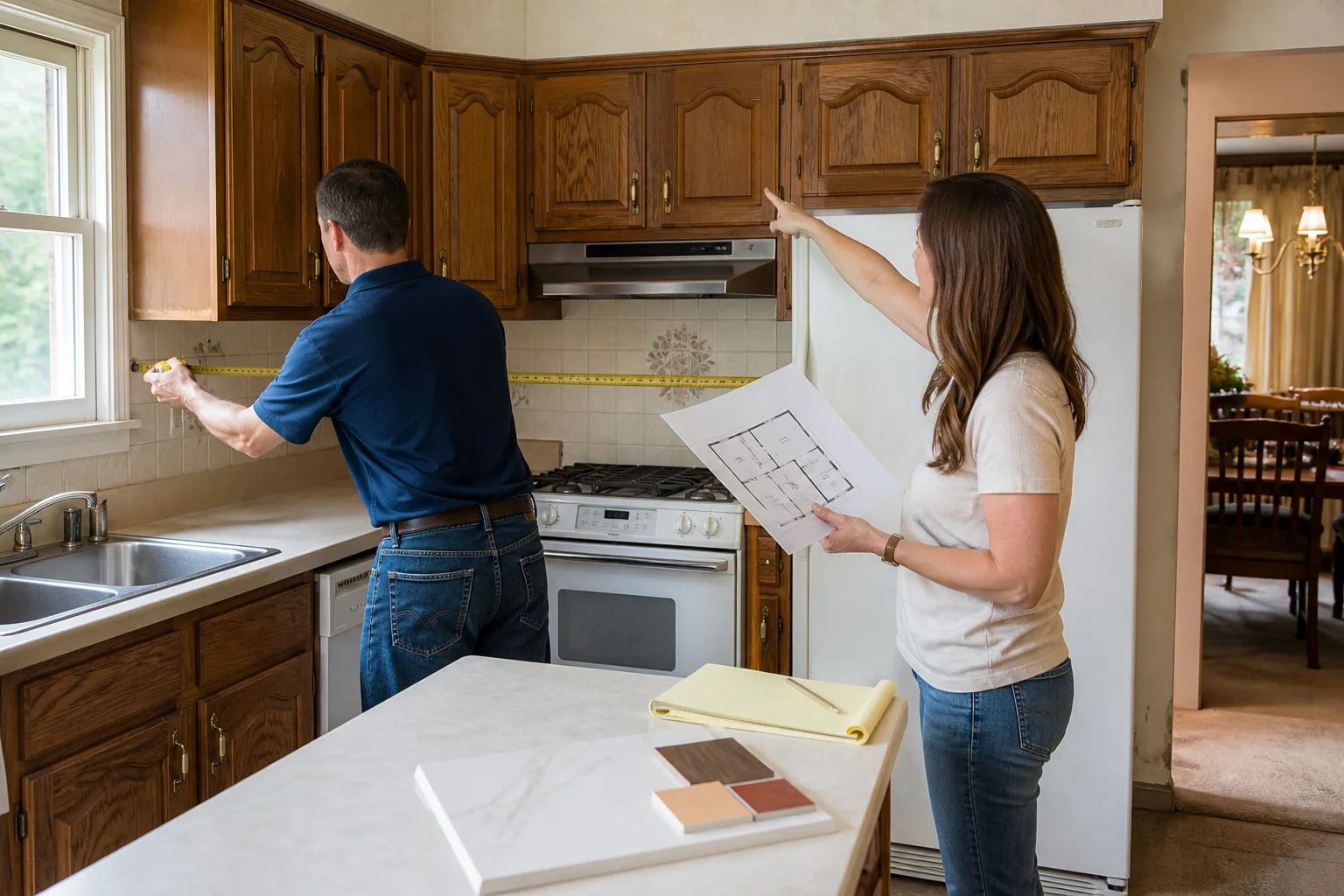
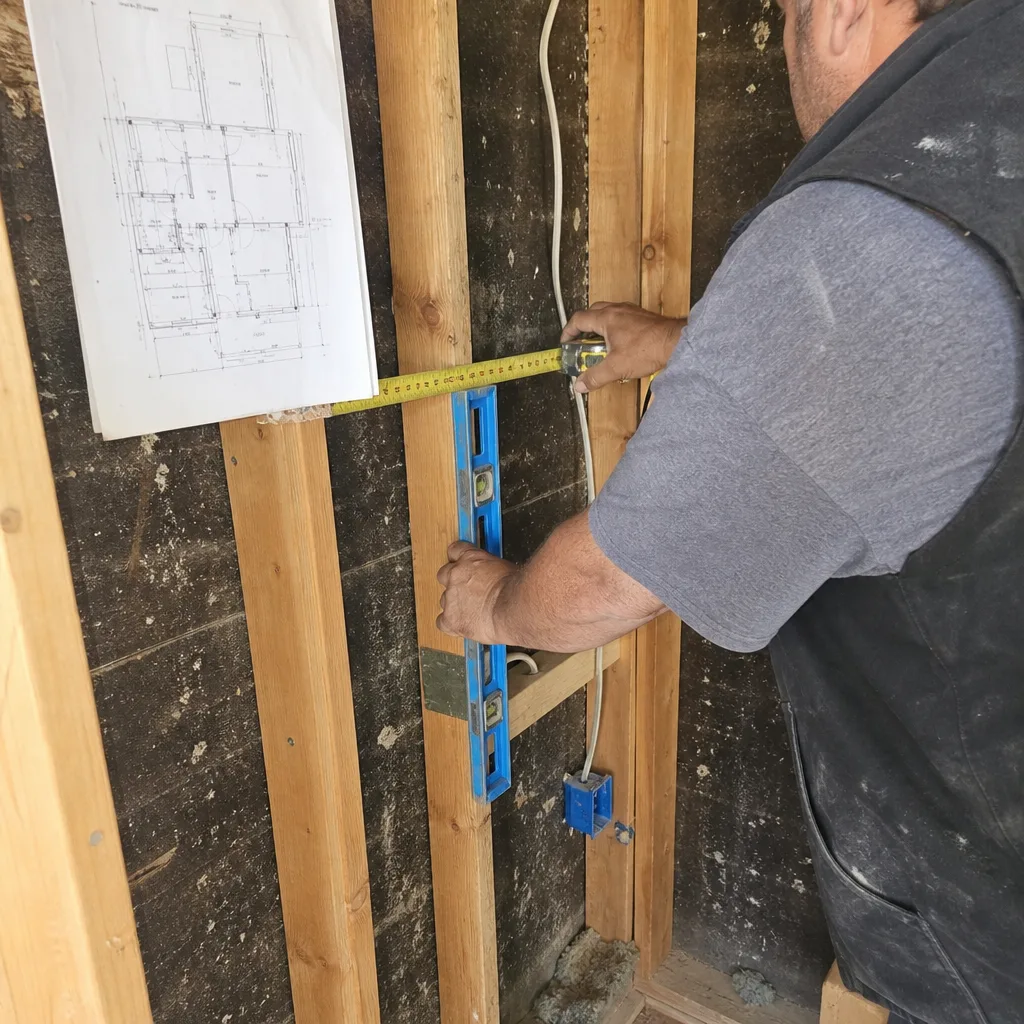
- First site visit: No measuring tape, no photos of the existing conditions, no questions about electrical panel age (huge in Oakland’s pre-1950 housing stock). A bid constructed on a walk-through without measurement is a bid constructed on a guess.
- Written estimate: No line items, no allowances with dollar figures, no milestone calendar, no mention of the permit. Any one missing line is a conversation. All four missing is a walk-away.
- Contract: No written guarantee language, no payment schedule, no defined change-order process, no start date or arrival window. There should be a specific date for the crew to arrive and a specific process for the inevitable surprise.
- First week on site: No posted permit, no protection on floors and doorways, crew that isn’t uniformed or background-checked, and a phone that goes to voicemail when you call with a question.
- Mid-project: Change orders arriving without your prior written approval, a site that gets dirtier every day instead of getting cleaned up at the end of each shift, and a schedule that inches forward without explanation.
- Final walk-through and after: Punch list items that keep slipping, a final invoice that doesn’t match the written price, and a guarantee that suddenly “doesn’t cover that.” All three are the moment the written document you insisted on earns its keep.
The pattern is what matters. One item can happen to a good contractor having a bad week. Three across different stages is the shape of a bad hire.
Common Mistakes to Avoid
- Comparing lump-sum totals instead of line items. Two bids that look identical at the top are never the same underneath. The breakdown is where the honest comparison lives.
- Accepting “we’ll work it out” on allowances. In Oakland’s market, where cabinet and countertop pricing moves with every shipment, an allowance with no cap is a change order waiting to happen.
- Hiring the contractor who laughs at the permit. Skipping the permit to save a few hundred dollars will cost you multiples of that at resale when the buyer’s inspector sees the work isn’t on record.
- Paying a deposit over 10%. If a contractor needs more than 10% down to start, ask what the deposit actually covers and consider what that tells you about their cash position. A real deposit reflects material ordering, not payroll gap-filling.
- Taking the guarantee verbally. No piece of paper, no guarantee. Any contractor saying “we always stand behind our work” without a document should be asked, politely, to put it in writing or explain why they won’t.
- Skipping the CSLB lookup. It takes ninety seconds and finds things the estimate never mentions. Do it before the contract, not after.
- Rushing the hire because the calendar is tight. A two-week delay now is shorter than the two months you’ll lose on a project that stalls in week three because the contractor was underfunded.
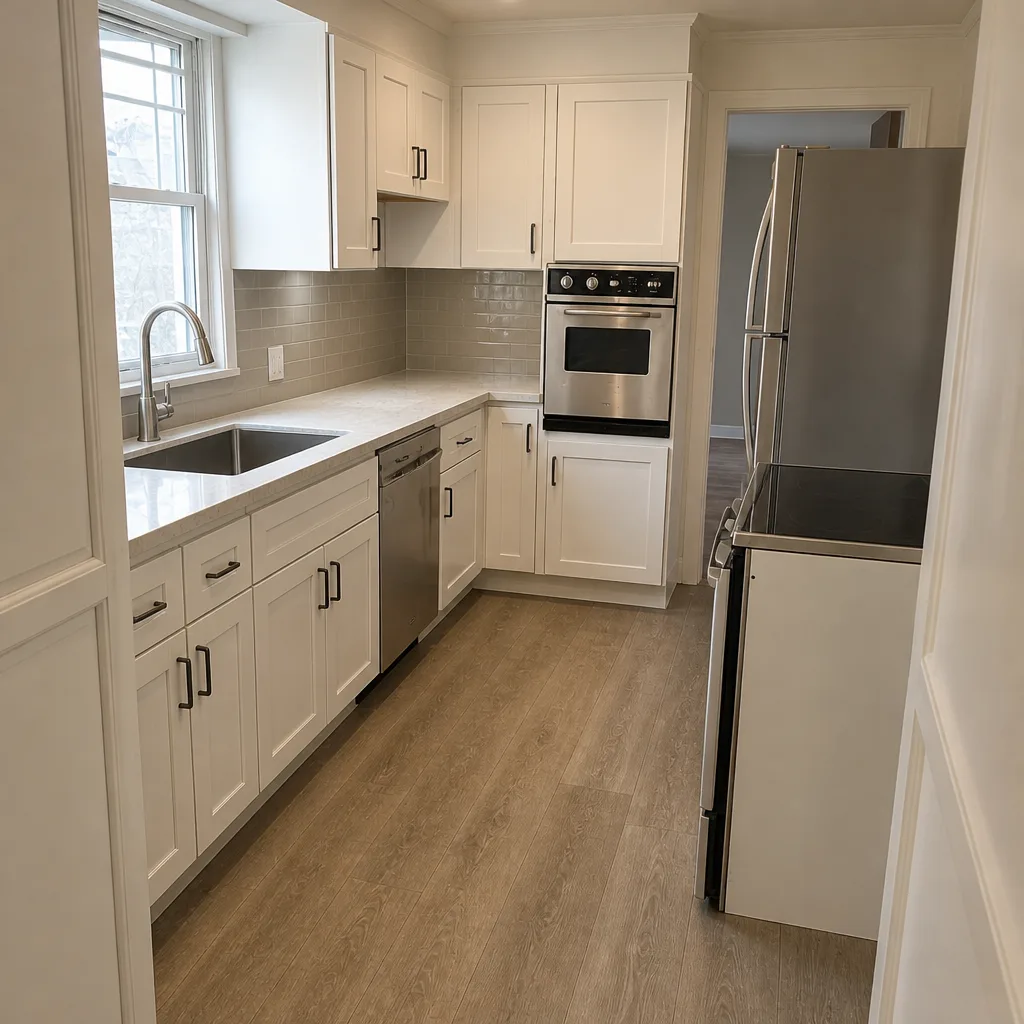
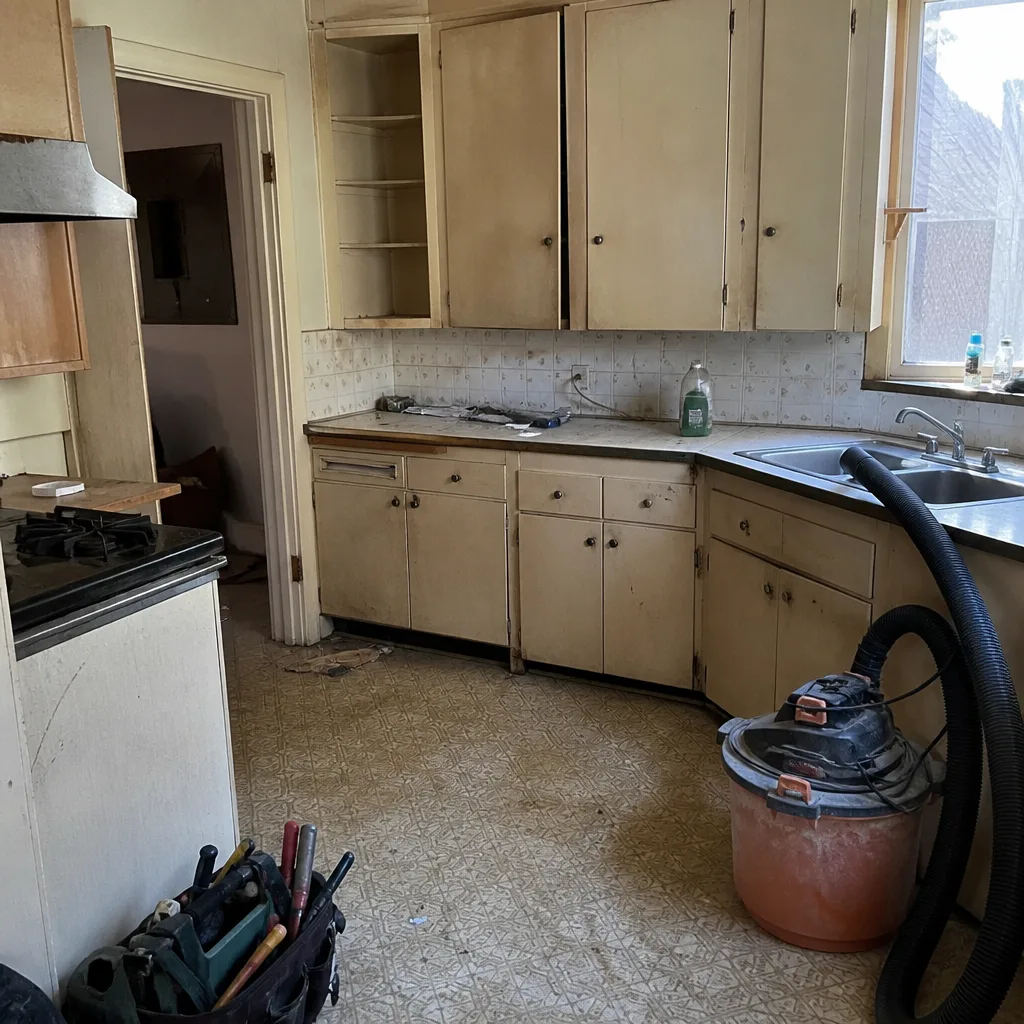
See the difference
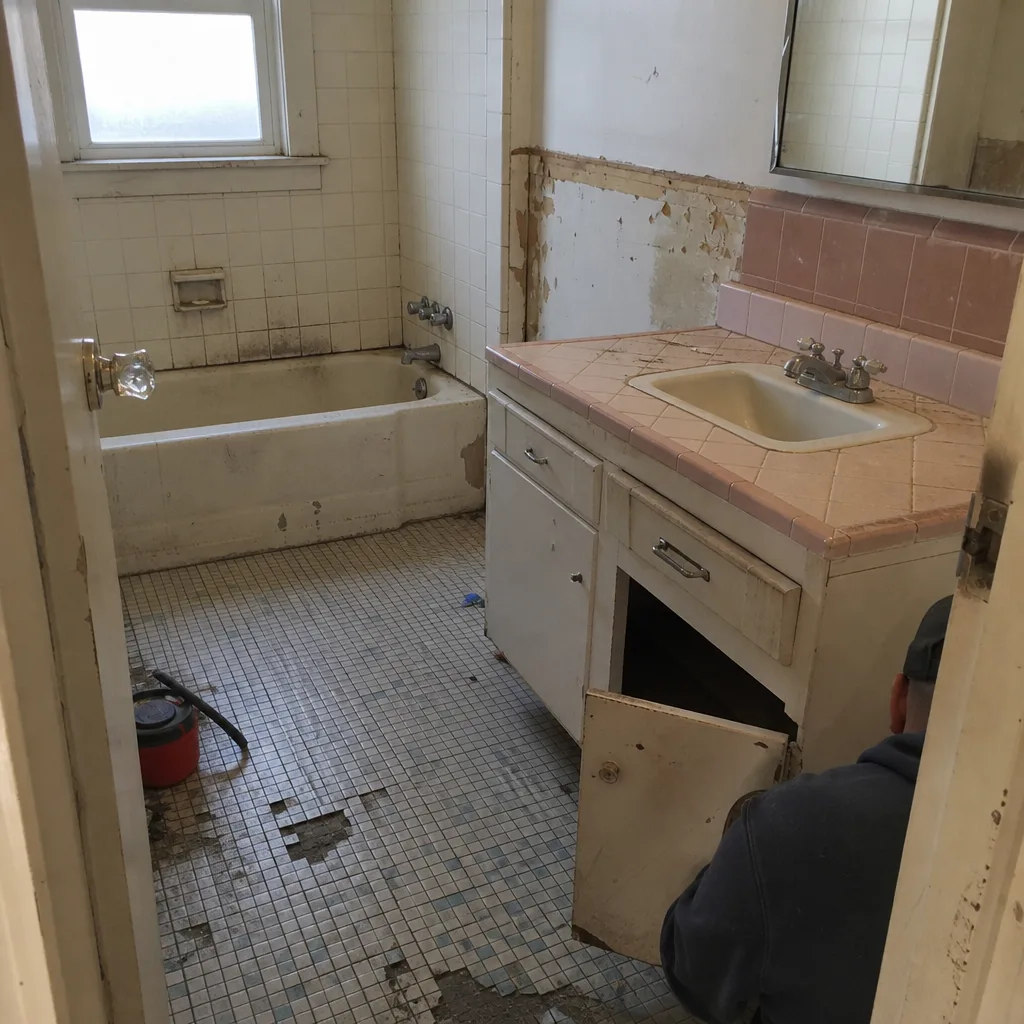 Before
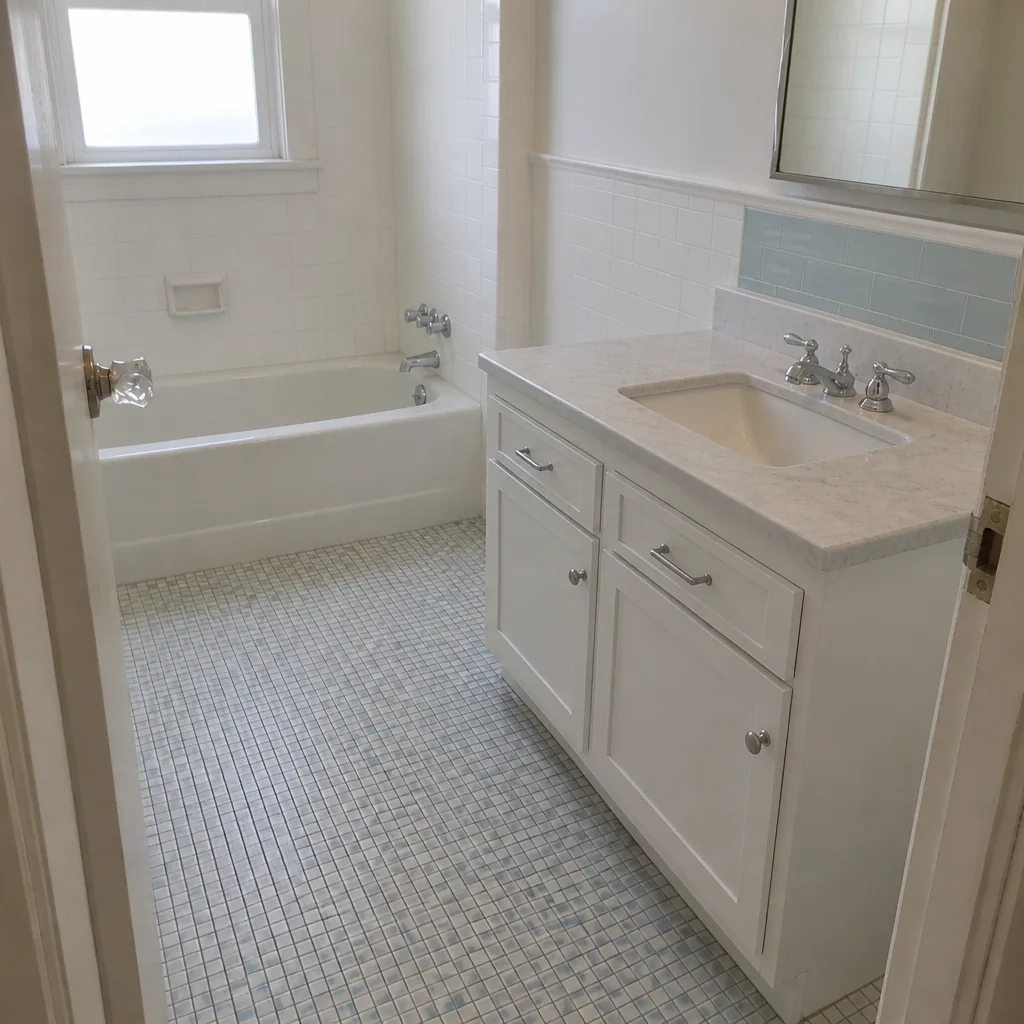 After
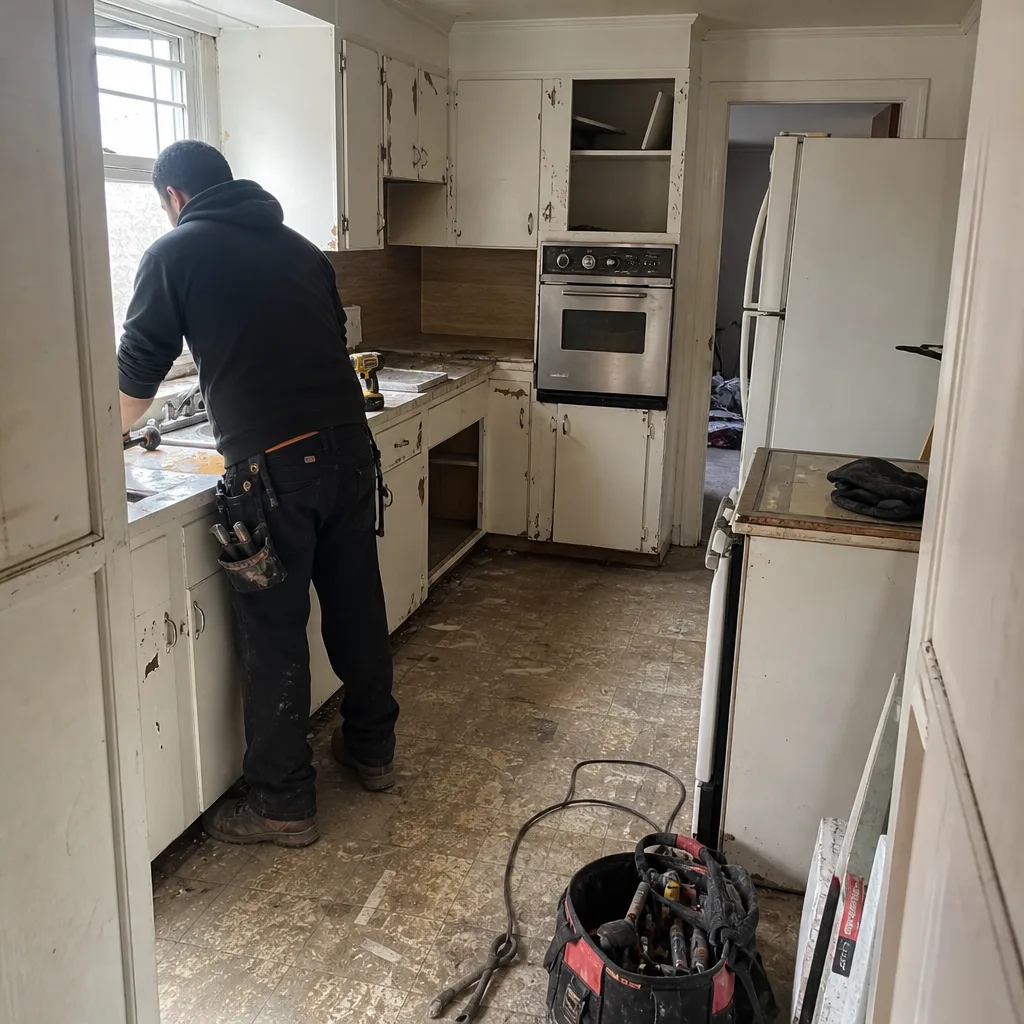 Before
 After
 Before
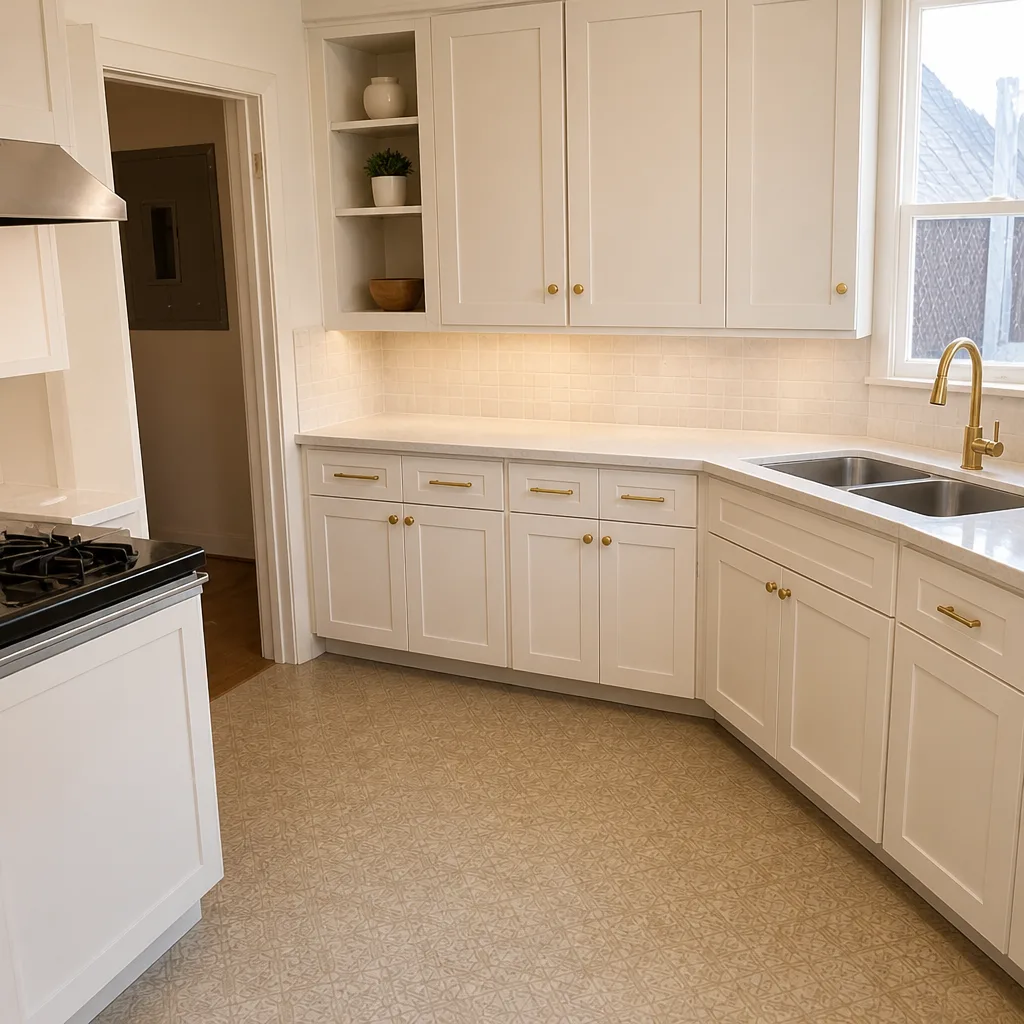 After
When to Call a Professional
Some contractor problems are worth a conversation. Others are worth a call to a real professional before money changes hands. If you’re holding an estimate with no line items, a contract with undefined allowances, or a proposed payment schedule above 10% down, bring it to a contractor who can show you what the good version looks like. The same is true if you’ve inherited a half-finished project from another contractor and need an honest read on what you’re actually dealing with, or if the work involves electrical, plumbing, structural changes, or gas in a home older than 1970. Those are not DIY categories. Penhallow Remodeling Oakland offers free estimates in Oakland. Call (888) 403-1237 and we’ll walk through your project and give you a written number before anyone picks up a tool.
Frequently Asked Questions

Almost none. California law prohibits unlicensed contractors from collecting payment for residential work, and an unlicensed contractor cannot file a mechanics lien on your property for work they performed without a license. If a contractor isn’t licensed and takes a deposit over $500 for a residential project, that’s a criminal violation. Call (888) 403-1237 for a free estimate from a properly licensed Oakland contractor.
Kitchen remodels in Oakland typically run $18,000 to $55,000 depending on layout, cabinet line, and countertop material. A refresh with painted cabinets, new counters, and new fixtures often lands around $18,000-$28,000. A full gut with new cabinetry, layout changes, and stone countertops runs $45,000-$80,000 and up in neighborhoods like Piedmont and Rockridge where the housing stock often brings electrical and plumbing surprises behind the walls. Call (888) 403-1237 for a written estimate with real line items.
Not if the contract is written properly. A good contract ties every foreseeable change to a written change order that requires your signature before it’s added to the invoice. The only legitimate changes after demolition are the ones nobody could have known without opening the wall: knob-and-tube wiring, a cracked sewer line, dry rot behind a shower. A written change-order process is the difference between a surprise and a fixed number. Call (888) 403-1237 to see what a written price up front looks like.
Yes, on every project that requires one. We pull permits under our license, coordinate the inspections with the City of Oakland, and leave the permit history in place for your property records. When you receive the written estimate, the permit line is included. Call (888) 403-1237 if you’d like to see what that looks like on a real Oakland project.
A bathroom remodel in Oakland typically takes 4-6 weeks. A kitchen remodel runs 6-10 weeks. A whole-home remodel runs 4-7 months depending on size and scope. The timeline that matters is the one in writing, tied to the milestone calendar in your contract, so you can see progress against it. Call (888) 403-1237 for a written calendar with your estimate.
It covers the work we perform, in writing, for a full year after project completion, and if something we did fails within that window, we come back and fix it at no charge. Manufacturer warranties on cabinets and countertops (KraftMaid, Cambria, Silestone, Kohler, Moen) stack alongside ours. The written guarantee document spells out what’s covered, how to invoke it, and who to call. Call (888) 403-1237 for a copy before you hire.
The Bottom Line
The contractor you don’t want almost always tells you before the first nail. They just say it in a language most homeowners haven’t learned to read: a lump-sum bid with no line items, an “allowance” without a number, a deposit over 10%, a wink and a promise instead of a written guarantee, a permit they don’t want to pull. Check the CSLB license in ninety seconds. Insist on a written price with real line items. Sign nothing without a written payment schedule tied to defined milestones and a written guarantee covering what happens if the work fails. Do those four things in Oakland and you’ll skip most of the bad hires before they ever walk through the door.
Written by the team at Penhallow Remodeling Oakland.
Call (888) 403-1237 for a free estimate. We answer with a real person, give you a written number before work starts, and back the work with the 365-Day Done Right Promise in writing.