Last updated November 18, 2026






Free written scope consultation - allowances, timeline, and change-order rules on paper before a single trade is scheduled
Bathroom Remodeling Warning Signs Every Homeowner Should Know
A contractor who can’t name the tile substrate they plan to use, and explain why, has already told you something important about how the rest of the conversation will go. In our experience across Oakland remodels, the disasters homeowners describe later almost always had a readable warning sign early on. The homeowner saw it, felt uneasy, and didn’t know how to interpret it. This guide translates the five most common pre-contract and mid-project signals into plain language, so you can act on what you’re seeing before it costs you five figures. Most of what follows is about reading people and paperwork, not tile and grout.
Quick Answer
The clearest warning signs of a bad bathroom contractor are a verbal-only price, reluctance to pull a permit, a request for more than 30% upfront, vague scope language like “as needed,” and a guarantee that lives only in conversation rather than in a dated, signed document. Any one of those is a reason to slow down. Two or more together are a reason to walk away before demo day.
Styles & brands we work with
- Kitchen remodeling
- Bathroom remodeling
- Home additions & ADU
- Roofing
- Windows & doors
- Driveway & pavers
- Fence
Table of Contents
- Pre-Contract Red Flags You Can Read Before You Sign
- Why Permit Refusal Is the Loudest Warning Sign
- What a Deposit Actually Protects, and What It Shouldn’t
- Vague Scope Language and “As Needed” Pricing
- Mid-Demo Discoveries: Mold, Rot, and What They Really Mean
- How to Read a Tile Installation in Progress
- The Written Guarantee Gap
- When to Stop a Job Mid-Stream
Pre-Contract Red Flags You Can Read Before You Sign
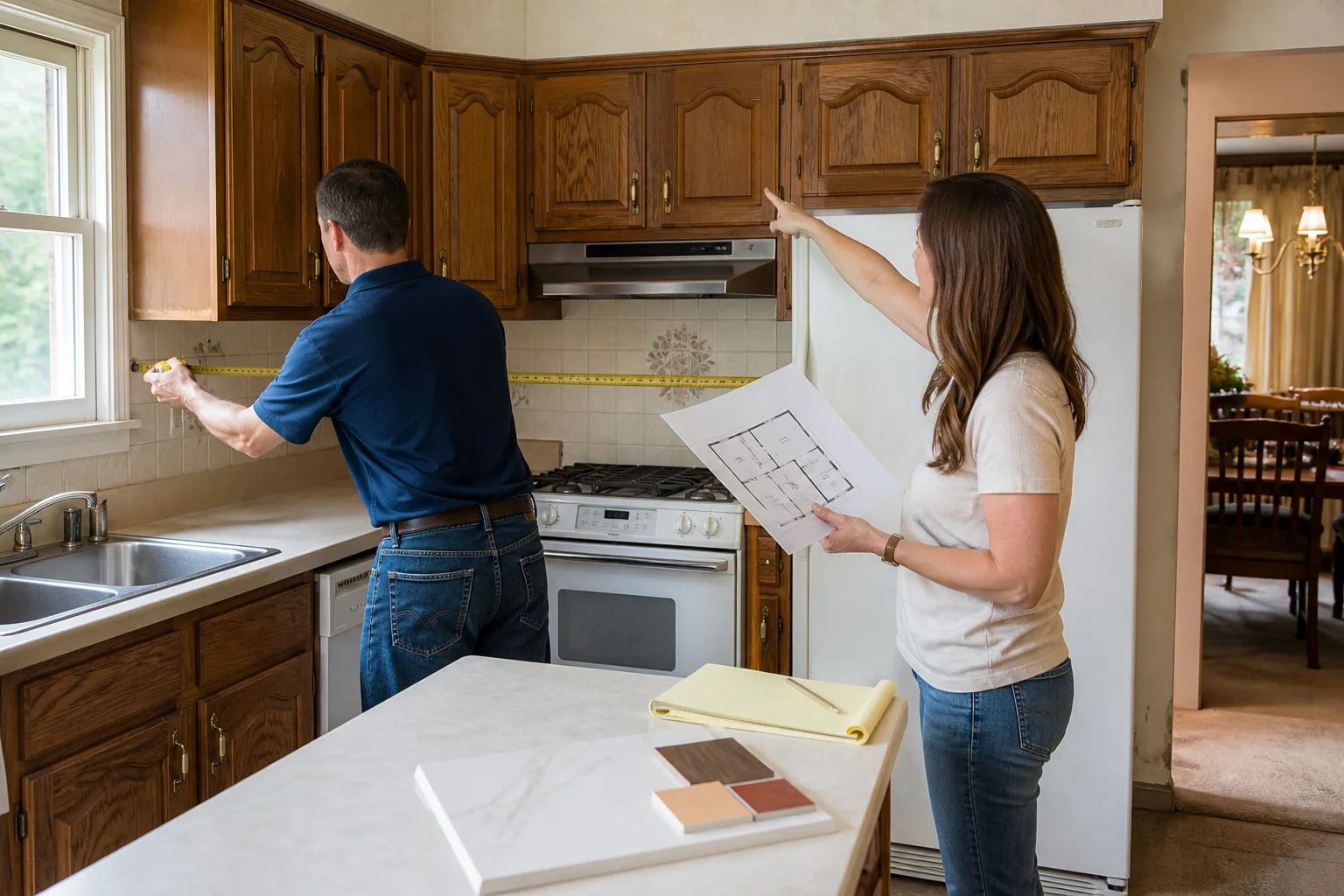
Most bad bathroom remodels are decided before a single tile is ordered. The pre-contract conversation tells you almost everything if you know what to listen for. In Oakland, where older homes in neighborhoods like Temescal, Rockridge, and the Dimond frequently have original 1920s plumbing and cast-iron drains, a contractor who hasn’t asked about your plumbing or your existing substrate before quoting is quoting a bathroom they haven’t seen.
Here’s what to watch for in the first meeting:
- Verbal-only pricing. A number spoken at the kitchen table is not a price. It’s a mood. A written price is one you can hold someone to.
- No line items. If the quote is one lump sum with no breakdown for tile, labor, fixtures, and demo, you can’t tell what’s included or where cuts happen.
- Questions not asked. A real estimator asks about the age of the house, the existing vent stack, whether the toilet flange sits level, and whether the floor joists can carry a tile bed. If none of that comes up, the plan is guesswork.
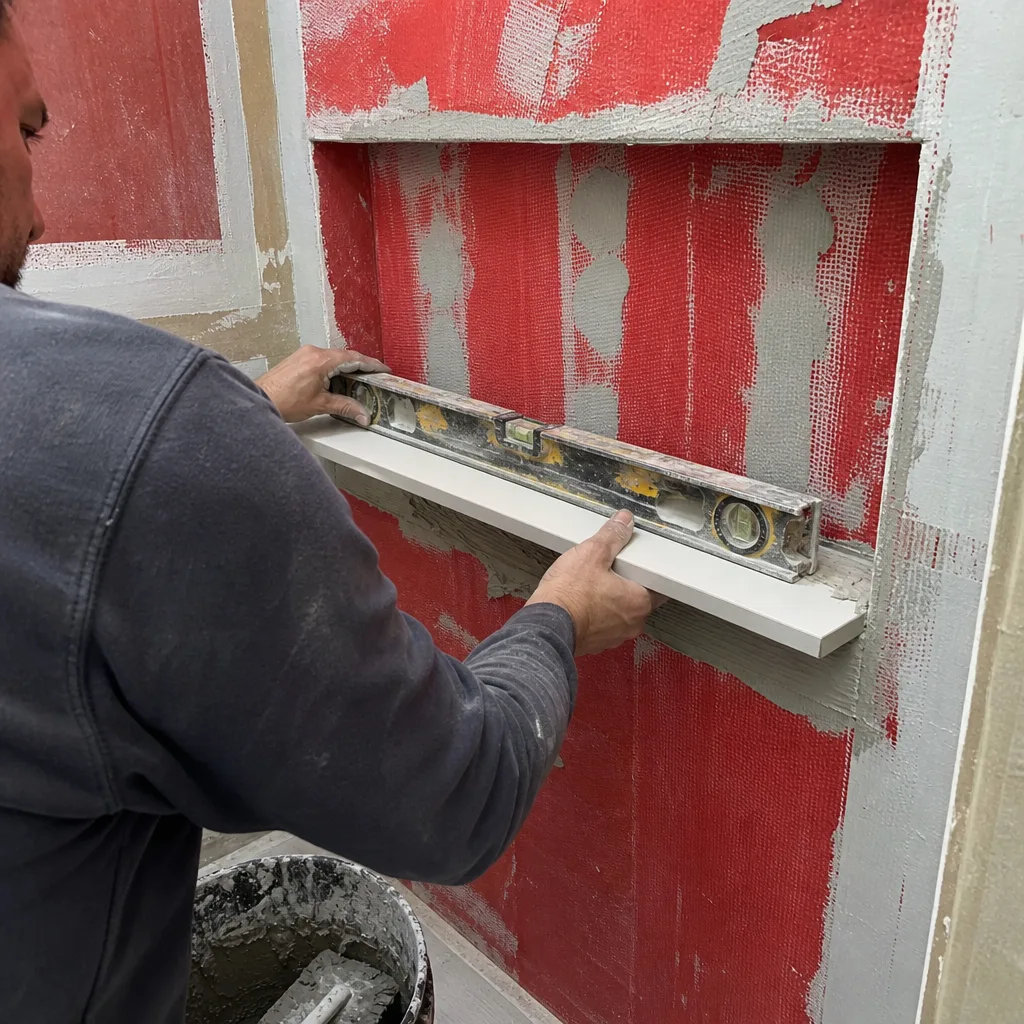
- Substrate silence. Ask what they’ll use behind the tile: cement board, a bonded waterproof membrane, or a foam board panel system. If they can’t tell you the product name and the reason for it, that’s the hook of this entire article.
- Pressure to sign today. No legitimate Oakland contractor needs a decision before you’ve compared two or three written numbers.
A written line-item price is the foundation of the way a general contractor in Oakland should operate: the number on day one is the number on the invoice, and anything outside scope is agreed in writing before it starts.
Why Permit Refusal Is the Loudest Warning Sign
A contractor who doesn’t want to pull a permit is telling you they don’t want a city inspector looking at their work. That’s the whole story. Bathroom remodels almost always require a permit in Oakland when they involve moving plumbing, adding or relocating electrical, or changing the footprint of a shower or tub. Roofing, structural, and ventilation changes trigger permits too.
When a contractor says “we don’t need a permit for this, it’s just a refresh,” ask them to confirm it in writing. If the work involves relocating a drain or adding a fan, it needs a permit. The consequences of skipping one are worse than the fee:
- You inherit the problem when you sell. Unpermitted work shows up in title searches and inspection reports, and buyers price the risk in.
- Insurance can decline a claim for water damage traced to unpermitted plumbing.
- City inspection records matter if you ever add a second bath or change the use of a room.
- A contractor who cuts this corner cuts others. It’s rarely the only shortcut.
Permit pulling and inspection passing should be standard, not a favor granted on request. If it’s a negotiation, the contractor has already told you what you need to know.
What a Deposit Actually Protects, and What It Shouldn’t
A deposit covers the contractor’s cost to order materials and schedule a crew. That’s real. A bathroom remodel’s material order, especially with brands like KraftMaid or Wellborn cabinetry or Cambria quartz, can run into the thousands, and no responsible contractor fronts that. But more than 30% upfront is a red flag, and the reason is cash-flow, not trust.
Ask what the deposit covers in writing. A legitimate structure usually looks like this:
- A deposit at signing for materials and scheduling, itemized to what it’s buying.
- A progress payment tied to a specific milestone, like demo complete or rough-in inspected.
- A final payment on completion and your walkthrough, not before.
The larger the upfront ask, the more you should ask to see the itemization. A contractor asking for 50% to “secure the date” is using your money to fund their last job. That’s not a rumor, it’s how the math works when a business hasn’t priced its work properly. Walk away from a request for the full job up front, and don’t accept a verbal explanation for the number. Get it broken down in the estimate.
Vague Scope Language and “As Needed” Pricing
Read the scope section of any estimate twice. Pay attention to words like “as needed,” “per site conditions,” “allowance,” and “to be determined.” Each one is not dishonest, but each one is a change order waiting to happen. A change order is a written amendment to the price after work starts, and once demo is underway you have very little negotiating room.
What “as needed” usually means in practice:
- Exterior wall prep: “as needed” can mean $400 or $4,000 depending on what’s behind the tile. Ask for the range and the trigger.
- Subfloor repair: rot around a toilet flange is common in older Oakland homes. The estimate should name the hourly rate or the per-square-foot price for repair, before demo.
- Electrical: adding a GFCI, a fan, or a dedicated circuit is predictable in most remodels. It should be priced, not left to chance.
- Tile: “allowance” is fine when it’s stated, e.g., “$9 per square foot.” Ask what happens if you pick something at $14. The answer should be in the estimate, not in a conversation later.
When you get a written quote, the goal is that there are no surprises after demo. Fixed pricing with an agreed contingency written into the contract is very different from an open-ended “we’ll see.”
Mid-Demo Discoveries: Mold, Rot, and What They Really Mean
The wall behind the tile comes off and someone in the crew says “we found mold.” What happens in the next 48 hours determines whether the project is honestly managed or used as leverage. In a wet-climate city like Oakland, where the fog rolls in off the bay and the marine layer keeps humidity high for months, moisture behind a tile wall is genuinely common, especially in older homes with inadequate bath fans.
Here’s what a real discovery looks like versus what a manufactured one looks like:
- Real mold: usually localized around a failing shower valve, a bad caulk joint at the tub, or a missing waterproofing layer behind the tile in an older install. It should come with photos, a written assessment, and a price to remediate.
- Realized late, not discovered late: the contractor opens a wall and the mold is revealed plainly. They photograph it, they tell you the scope has changed, and they give you a number before doing the remediation.
- What to question: a verbal “there’s a lot of rot back here, we need $6,000 more” with no photos, no written addendum, and no option to pause and get a second opinion.
Mold and rot behind cement board substrate (the moisture-resistant layer behind your tile) almost always adds time. The scope change needs to be written and signed before remediation starts, not after. And if the mold is widespread or the smell is strong, it deserves a licensed remediation company’s eyes, not a crew trying to move on to grouting.
How to Read a Tile Installation in Progress
You don’t need to be a tile setter to see whether a bathroom is heading toward a callback. Walk in during and after install and check these specific things.
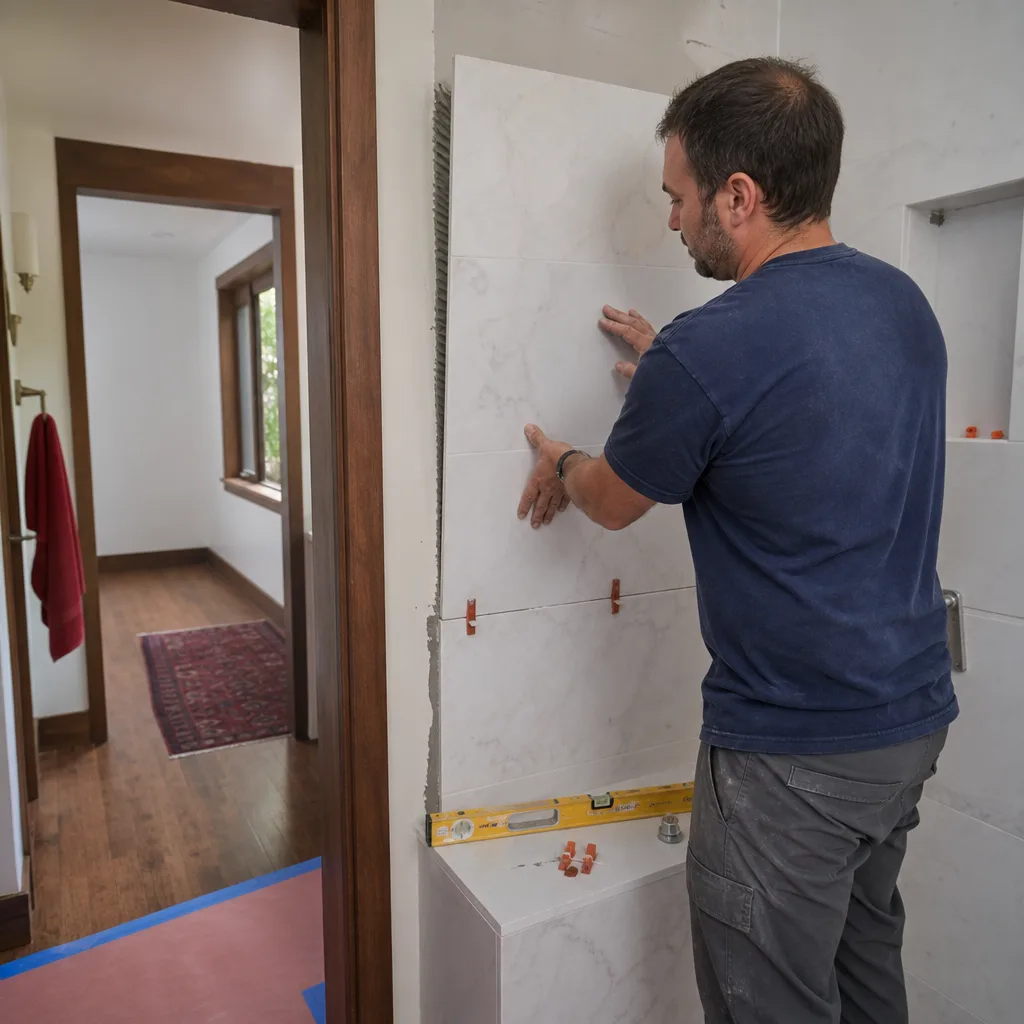
- Lippage. Run your fingertip across the joints between flat tiles. Feel a ridge where one tile sits higher than its neighbor? That’s lippage, and standards limit how much is acceptable. A badly lipped floor will catch on a bare foot for the life of the tile.
- Grout joint consistency. The space between tiles should be uniform. Zigzag or uneven joint widths stay visible even after grout, and they’re a sign the layout wasn’t planned before the first tile was set.
- Wet-towel test for hollow spots. This is the DIY method to catch a popped tile. Lay a wet towel on the tile for a minute, then tap the surface with a wooden spoon or your knuckles. A dead, hollow sound suggests the tile has debonded from the substrate. A dull thud is normal; a hollow click is not.
- Spacing at the perimeter. Tile should not be grouted tight against the walls. A small gap (usually 1/4 inch) at the edges is required for movement, and caulk, not grout, belongs at the inside corners. Grout in a corner cracks.
- The shower floor slope. Ask the contractor to demonstrate the pitch toward the drain, and then test it with water before grout goes down. Water should move toward the drain, not pool in a corner.
A tile crew that’s doing this well is doing it deliberately. That’s the standard any licensed contractor should be held to, from the first board to the last grout line.
The Written Guarantee Gap
“We stand behind our work” is a phrase, not a promise. In legal terms it means almost nothing until it’s in writing, dated, and signed, with specific remedies and a time limit. What you want to see is a written guarantee that names the coverage, the duration, and what happens if something fails. Something like the 365-Day Done Right Promise: if the work fails inside the guarantee window, the contractor comes back and fixes it at no charge, and that commitment is written into the job from day one.
What separates a real guarantee from a slogan:
- It’s in the contract. Not in a brochure, not in a text message, not in a phone call.
- It has a duration. “365 days” is enforceable. “Lifetime” is vague unless the document defines what lifetime means.
- It names a remedy. A free return visit with no service call fee is a remedy. “We’ll see what we can do” is not.
- It covers materials as well as labor where relevant. Products carry their own warranties: Cambria quartz has its own, Kohler and Moen fixtures have theirs. Your contractor’s guarantee should layer with those, not displace them.
The plainest way to test any promise is to ask: “Put it in writing and sign it.” A contractor with a real guarantee does so without hesitation. One who pivots to “we’ve never had a customer need that” is telling you what happens when you do.
When to Stop a Job Mid-Stream
Stopping work is a heavy decision. It can cost you time and money. But there are specific conditions that justify it, and calling a pause is often the cheapest move you’ll make on an Oakland bathroom remodel once those conditions exist.
The specific triggers:
- Work performed off-permit or off-drawing. The crew is installing without the approved permit on site, or making changes to layout that were never in the plan.
- Water damage or moisture problems left unaddressed. The contractor has moved on to tile without fixing the source of the leak or mold.
- Change orders introduced as pressure. “The price went up because of what we found” with no photos and no documentation, especially if it happens twice.
- Substandard work not being corrected. You’ve pointed out lippage or hollow spots, and the response is “that’s normal.” It isn’t.
Document before you decide. Take dated photos. Send a written email (not a phone call) summarizing what you’ve observed and asking the contractor to respond in writing. Keep a copy. If the pause turns into a dispute, the documentation trail is what protects you. And if the relationship is salvageable, the tone of that email matters. Firm and factual, not angry, gives the contractor room to fix it. If a job needs a reset, that all begins with a written scope, a written price, and a written guarantee before another tile is set. That’s what we build every Oakland project on, and it’s what you should demand from any contractor in any city.
Common Mistakes to Avoid
- Accepting a verbal price. A number spoken at the table changes when it isn’t on paper. Ask for a written, line-item quote before any work begins, and don’t start demo without one.
- Skipping a permit because “the contractor said we didn’t need one.” In a city with as much older housing stock as Oakland, a kitchen or bathroom on a 1920s structure almost always needs a permit for plumbing or electrical changes. Ask for the permit number and the inspector’s sign-off.
- Paying more than 30% down. A large upfront payment is your money funding their last job. Tie payments to milestones, not to promises.
- Ignoring hollow tile. A dead-sounding tile after the grout cures is a future callback. Point it out before the contractor leaves the site and the guarantee window starts.
- Treating “we stand behind it” as a guarantee. Ask for the dated, signed document. No signature, no guarantee.
- Letting mold remediation proceed without photos and a written number. The scope should change in writing, not on the strength of a voice at the door.
- Failing to document mid-project problems in writing. Emails and photos protect you far better than a remembered conversation ever will. Send them the same day.
See the difference
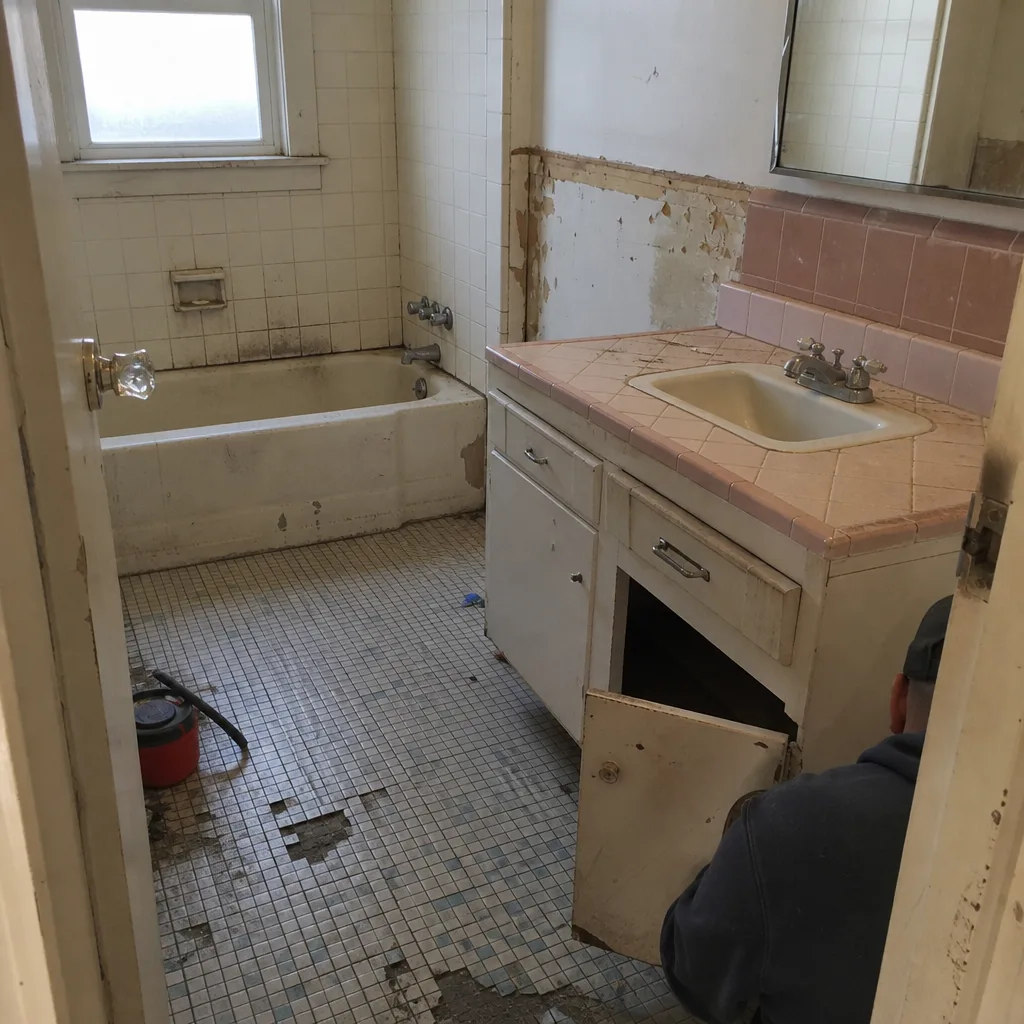 Before
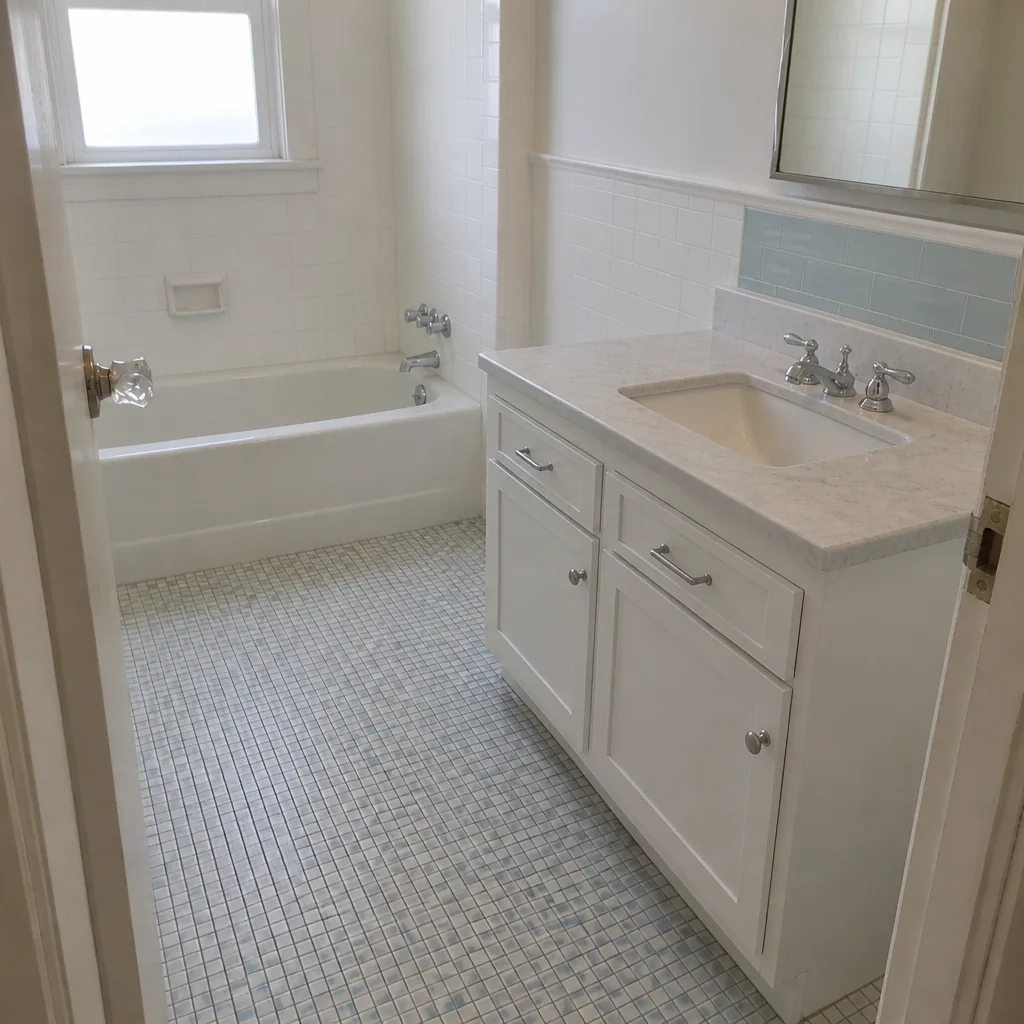 After
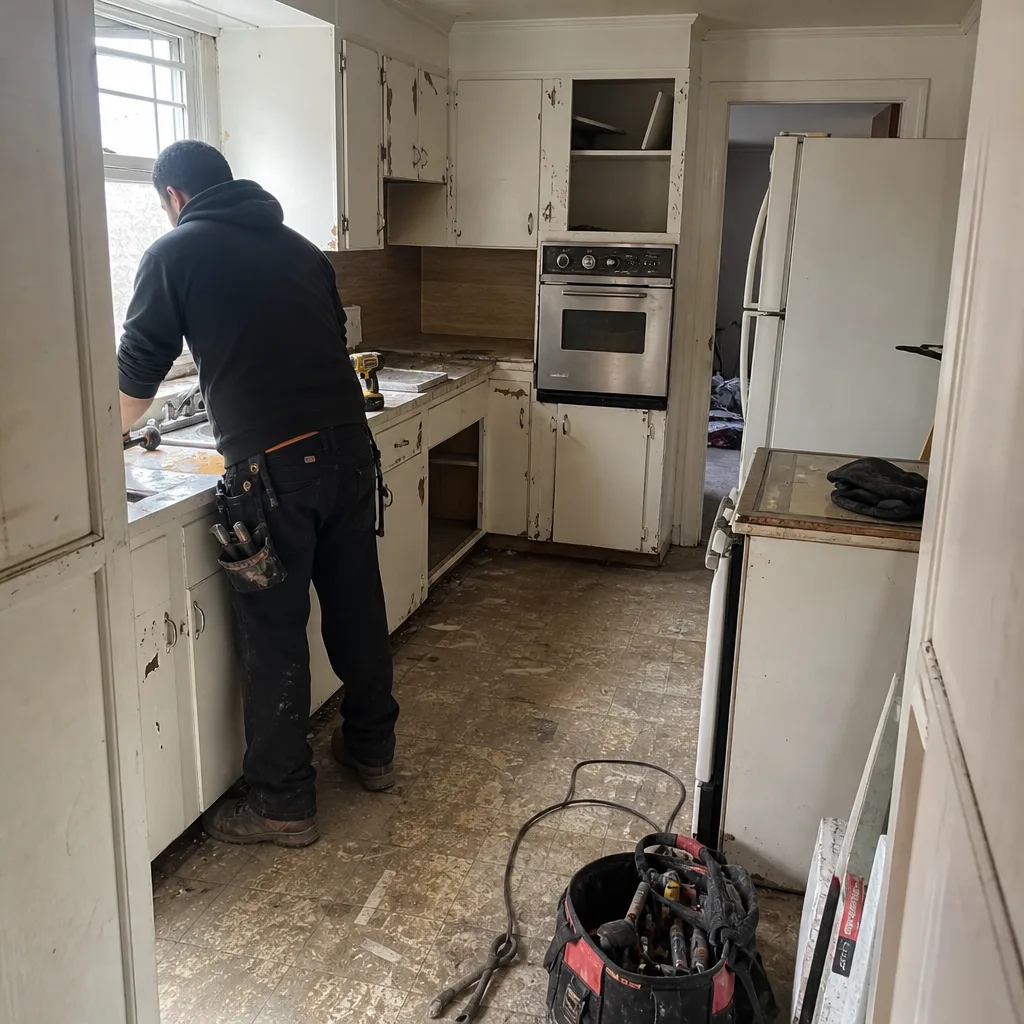 Before
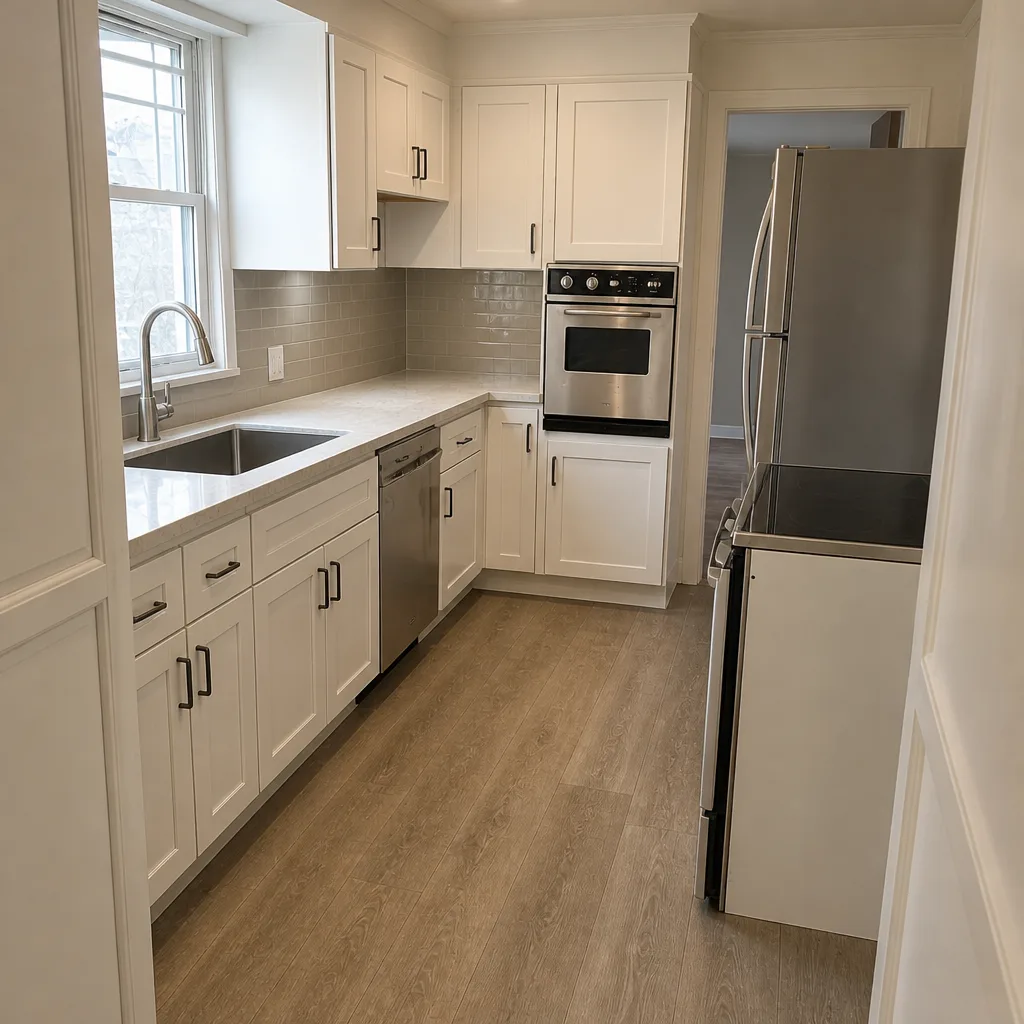 After
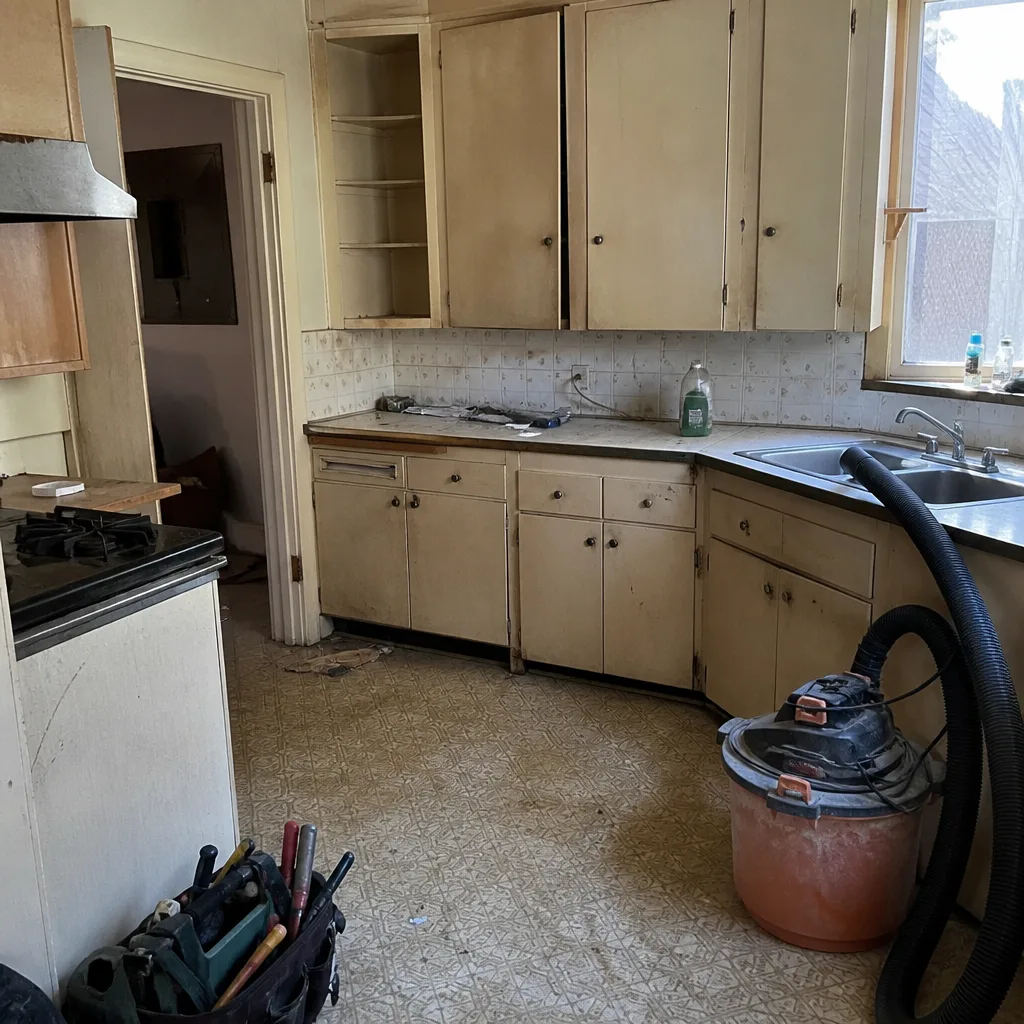 Before
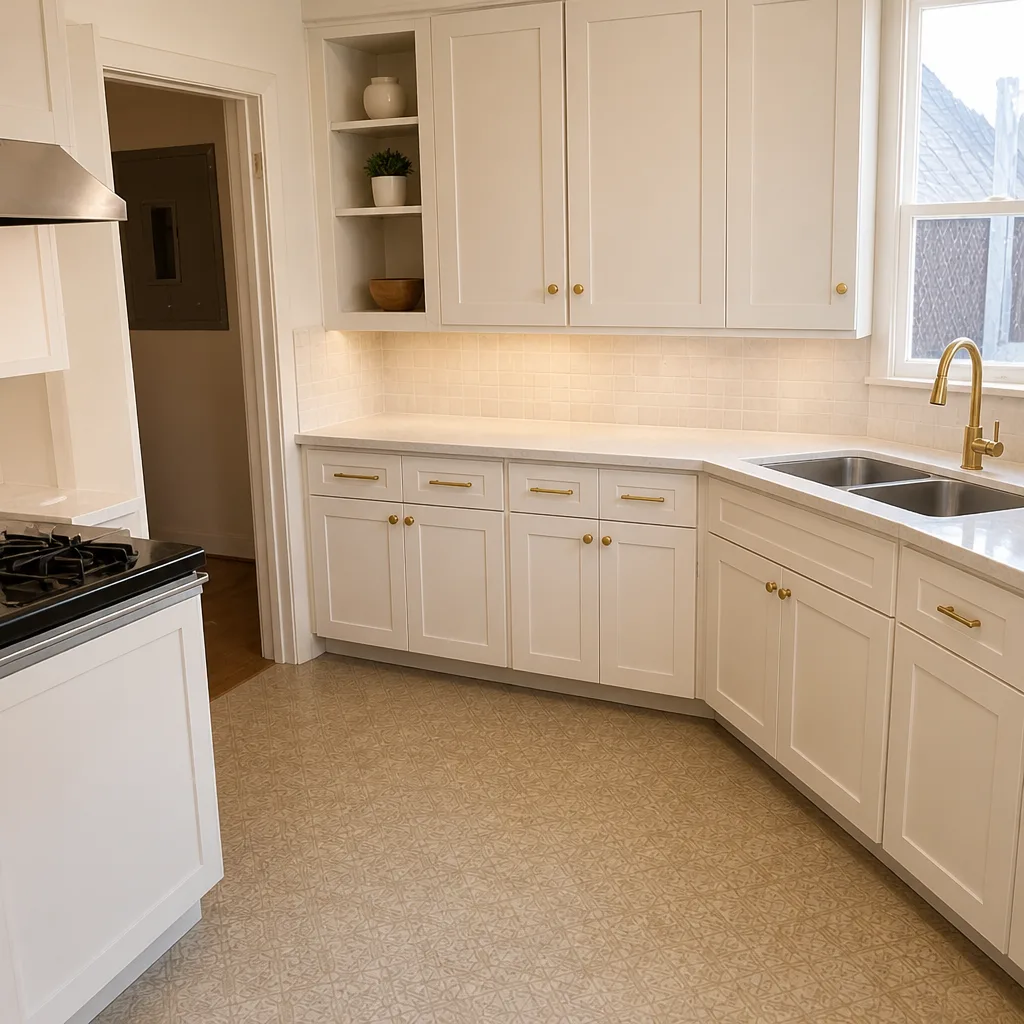 After
When to Call a Professional
If any of the following is true, the right move is a free estimate and a second written opinion before you sign or proceed: the contractor won’t put the price in writing; the scope is full of “as needed” language; a deposit over 30% has been requested; no permit has been pulled for work that clearly needs one; or you’re seeing lippage, hollow spots, or an uncorrected leak on a bathroom already underway. An honest contractor will welcome a second estimate. A bad one will resist it. Penhallow Remodeling Oakland offers free estimates in Oakland. Call (888) 403-1237 to schedule yours. We’ll give you a written price before any work starts, and a written guarantee on the work itself.
Frequently Asked Questions
The five you can read before signing are: verbal-only pricing, refusal to pull a permit, a deposit request over 30%, vague scope language like “as needed,” and a guarantee that lives only in conversation. Any two of these together are enough reason to walk. Call (888) 403-1237 if you’d like a written second opinion on a quote you’ve received.
No. A deposit for materials and scheduling is normal, but 50% upfront means your money is funding the contractor’s cash flow rather than covering the materials for your job. A responsible structure ties payments to milestones: deposit at signing, progress at demo or rough-in inspection, final on completion. If the request seems high, ask for the itemization and don’t sign until you have it.
Most do, especially when the work moves plumbing, adds or relocates electrical, changes the footprint of a shower or tub, or adds ventilation. A “refresh” that only replaces tile and paint may not, but anything involving the drain, valve stack, or a new fan does. The best way to confirm is to ask the contractor to put their permit plan in writing. If they say no permit is needed, ask them to confirm that in writing too.
Usually a modest cost increase and a day or two of added schedule, when it’s localized around a failed shower valve or a missing waterproofing layer. It becomes a serious number only when it’s spread across framing or a hidden wall cavity. The key is documentation: photos, a scope change in writing, a fixed price for the remediation before it starts, and a licensed remediation company’s review if it’s widespread. East Bay humidity is high, so moisture is a real risk in older bathrooms without a working fan.
Three checks: run a fingertip across the joints for lippage (raised edges), look at the grout joint width for consistency, and do a wet-towel tap test for hollow spots after the tile is set. Also check that the inside corners have caulk, not grout, and that the shower floor pitches to the drain. If the tile sounds hollow or the floor pools water, that’s a reason to pause and talk before the grout cures.
A real written guarantee is dated, signed, names the coverage, states a duration like 365 days, and states the remedy (e.g., a free return visit to fix the work at no charge). It lives in the contract, not in a brochure or a conversation. Ask the contractor to sign it before work starts. Call (888) 403-1237 for a free written estimate that includes it.
The Bottom Line
The warning signs of a bad bathroom contractor are readable long before the demo bag hits the curb. Verbal pricing, permit refusal, oversized deposits, “as needed” scopes, and verbal-only guarantees are the five you can catch before you sign. Once work is underway, lippage, hollow-spot tile, poorly managed mold discoveries, and correction-resistant crews are the signals that it’s time to document and, if necessary, pause. Read the paperwork, read the substrate, and watch the tile. A contractor who gives you a written price and a written 365-day guarantee is telling you exactly what you need to know. A contractor who can’t name their substrate has already finished the conversation.
Written by the team at Penhallow Remodeling Oakland.
Ready for a second opinion on a bathroom quote, or a written price before a single cabinet is pulled? Call Penhallow Remodeling Oakland at (888) 403-1237 for a free estimate. Take a look at Penhallow Remodeling Oakland home for an overview of the Kingswell standard, learn how our Bathroom Remodeling in Oakland process works end to end, and see how the same written price and written guarantee apply to Kitchen Remodeling in Oakland.