Last updated November 18, 2026
Free written scope consultation - allowances, timeline, and change-order rules on paper before a single trade is scheduled
Construction Cost Breakdown: The Oakland Homeowner’s Reference for 2026
A $38,000 verbal quote became a $61,000 invoice. We’ve watched that story play out more than once around Oakland, and the gut punch is always the same: the homeowner didn’t overspend on the front end, they underspent on the scope. The number that felt safe didn’t include permits, didn’t include the plywood replacement hiding under the vinyl, didn’t include the hillside delivery surcharge. This guide exists to close that gap. You’ll get real 2026 Oakland ranges by project type, the local cost adders most bids leave off, and a way to read a proposal line by line so nothing surprises you at the end.
Quick Answer
In 2026, full kitchen remodels in Oakland typically run $75,000 to $175,000, bathroom remodels $28,000 to $85,000, and detached ADUs $250,000 to $450,000 once permits, design and site work are included. These figures sit meaningfully above statewide averages because of Bay Area labor rates, permitting timelines that stretch carrying costs, and a housing stock where hidden conditions are the rule rather than the exception. Understanding which of those drivers you can negotiate and which you can’t is the whole game.
Styles & brands we work with
- Kitchen remodeling
- Bathroom remodeling
- Home additions & ADU
- Roofing
- Windows & doors
- Driveway & pavers
- Fence
Table of Contents
- Why Oakland Costs Run Above the California Average
- Real 2026 Oakland Cost Ranges by Project Type
- The Oakland-Specific Cost Adders Most Estimates Omit
- How Costs Shift by Oakland Neighborhood
- How to Read a Written Fixed-Price Proposal
- The Real Cost of Unpermitted Work in Oakland
- Fixed Costs vs. Negotiable Costs
- How to Prepare Before You Collect Bids
Why Oakland Costs Run Above the California Average
Three things push Oakland project prices past the state baseline, and only one of them is something you can influence. The first is labor. Bay Area trade wages are simply higher than the Inland Empire or Central Valley, and a crew that can’t afford to live within an hour of the job charges accordingly. The second is permitting. A kitchen remodel that pulls a building permit and a couple of trade permits can sit in plan check for weeks longer than it would in a smaller jurisdiction, and every week of delay is a week of carrying cost, storage, temporary kitchen and, sometimes, rent.
The third driver is the housing stock. Oakland’s residential inventory spans roughly a century of construction, and the pre-war bungalows that give neighborhoods their character have a way of revealing surprises once walls open up. Knob-and-tube wiring, galvanized supply lines, undersized framing, and layers of previous remodeling done to no particular standard. None of that is a scam. It’s just the reality of working on older homes, and a legitimate contractor accounts for it while a wishful one doesn’t.
What this means for you: a bid that comes in dramatically low isn’t necessarily a better deal. It’s more often a bid that hasn’t priced the conditions your particular house is likely to present.
Real 2026 Oakland Cost Ranges by Project Type
The numbers below reflect permit-included, labor-included pricing for typical scope in the Oakland market, not national averages. Treat them as a planning grid. To pressure-test any bid you receive, compare it against these tiers, and if you’d like to see how we approach a single-room project in detail, our page on Kitchen Remodeling in Oakland walks through scope and materials.
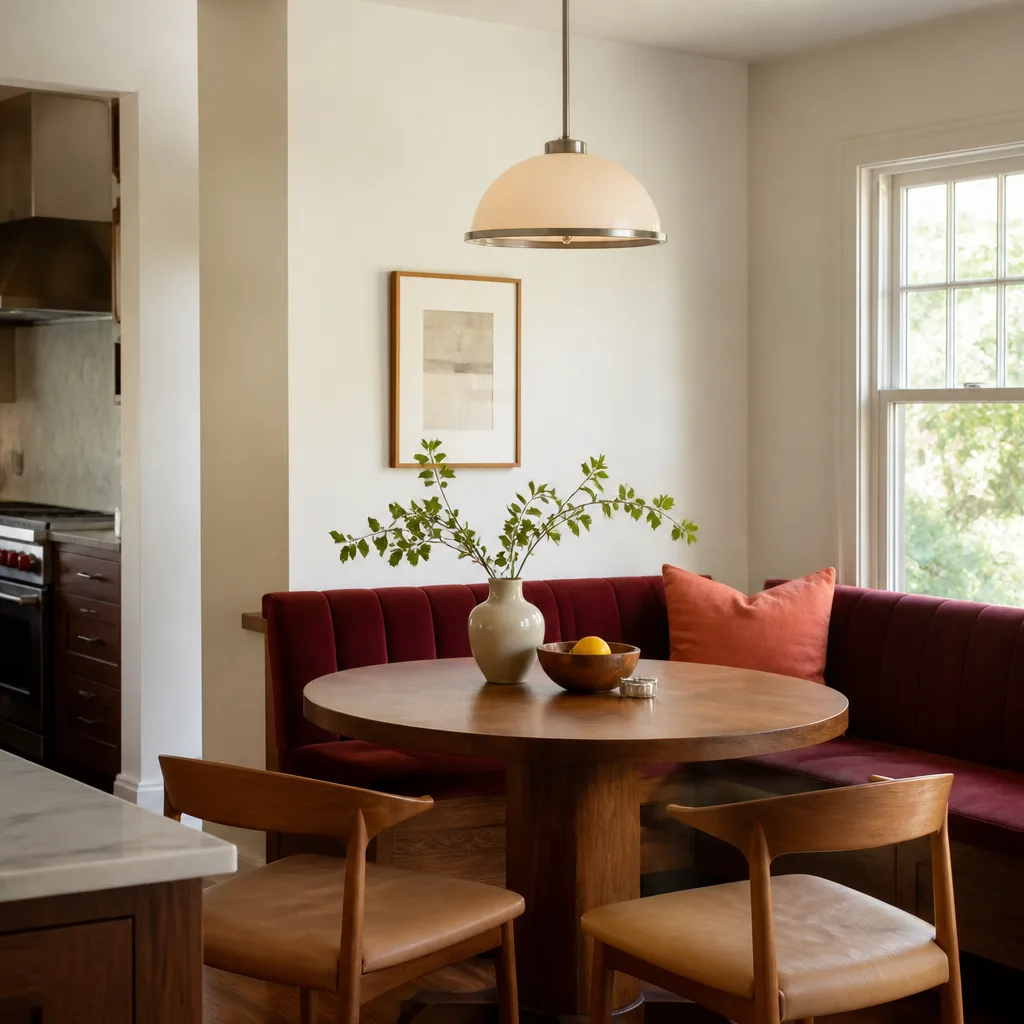
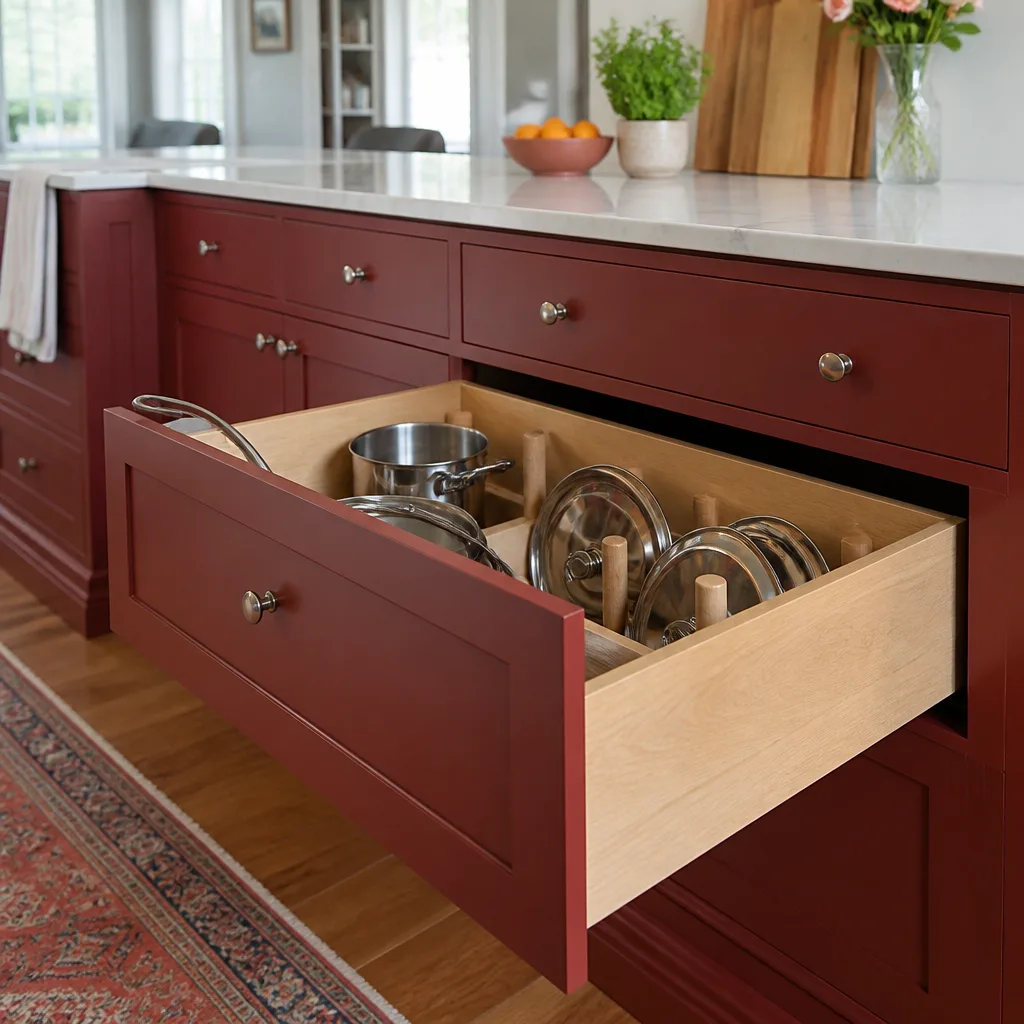
- Kitchen remodel, mid-tier (same layout, semi-custom cabinets, quartz counters): $75,000 to $110,000. Cabinetry and countertops typically account for 35 to 40 percent of the total.
- Kitchen remodel, upper-tier (layout change, custom cabinetry, moving a wall or adding an island): $110,000 to $175,000. Layout changes are what push you into this tier.
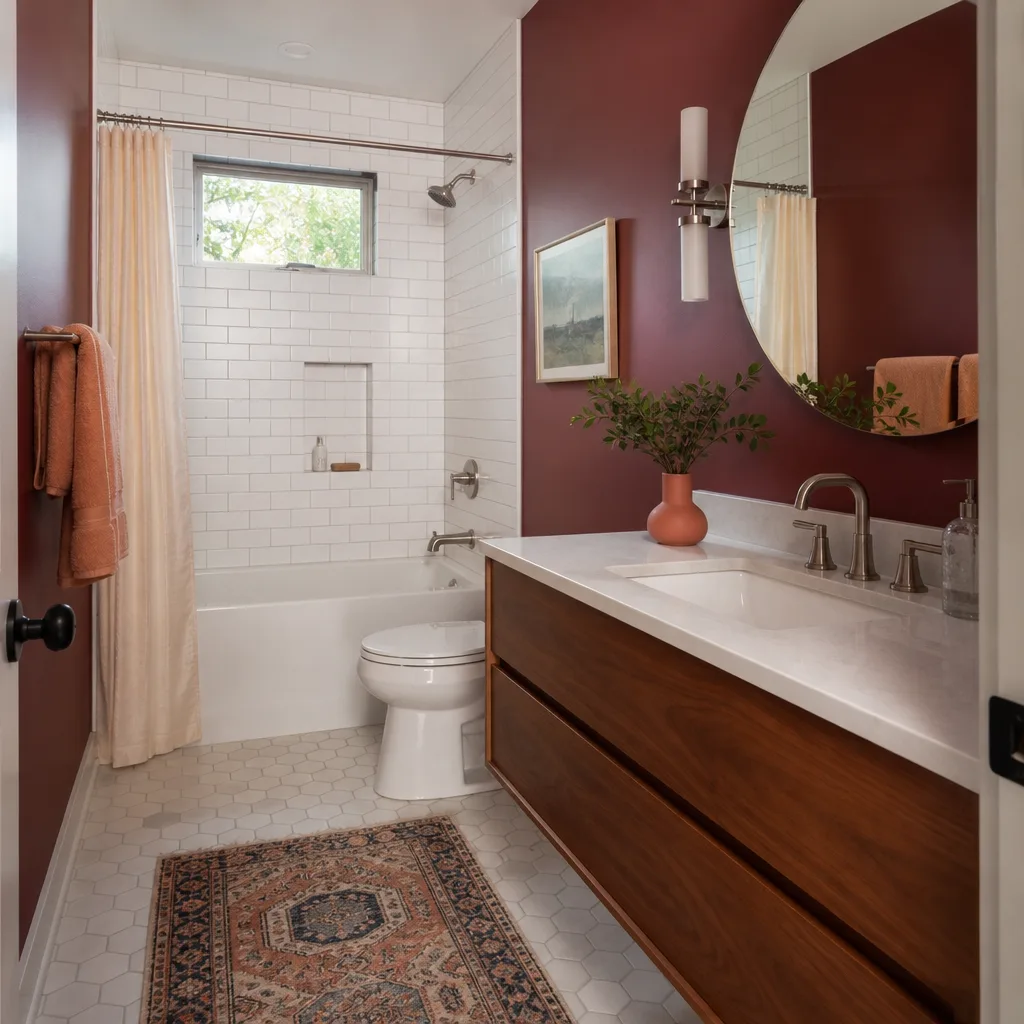
- Bathroom remodel, hall bath (tub or shower replacement, tile, new vanity): $28,000 to $50,000. See our Bathroom Remodeling in Oakland page for scope details.
- Bathroom remodel, primary suite (double vanity, walk-in shower, tile work): $50,000 to $85,000. Waterproofing and substrate work drive much of the upper range.
- Detached ADU, turnkey (design through final inspection): $250,000 to $450,000. Site access and utility trenching separate the low end from the high.
- Structural repair or foundation work, project-level: $15,000 to $85,000, heavily condition-dependent. This is the category where a written fixed price matters most.
Fixtures fall inside these ranges, and upgrading to a Kohler or Moen fixture package adds to the finishes line without inflating labor. The point of the ranges is not precision. It’s calibration, so you know when a bid is in the right neighborhood.
The Oakland-Specific Cost Adders Most Estimates Omit
This is where a verbal estimate and a real scope diverge. The adders below are real, and in our experience they appear on almost every Oakland project in some form. A proposal that doesn’t mention them hasn’t done the math.
- Permit fees scaled to project value. Oakland’s building permit fees are calculated as a percentage of declared valuation, so a larger project carries a proportionally larger permit cost. A kitchen at $90,000 valuation is a meaningfully bigger permit line than one at $45,000, and a bid that quotes a flat $800 for “permits” is not accurate.
- Plan check time as carrying cost. Every week a project waits in plan check is a week of temporary housing, storage, or lost rental income if you’re out of the home. Build a buffer into your total, because the schedule is not yours to control once the application is filed.
- Hillside access and delivery surcharges. Materials delivered to a steep Oakland address often require smaller trucks, shuttling, or extra labor to move product up a driveway. A pallet of tile that slides into a flat delivery bay is a different job than the same pallet carried up 40 steps.
- Asbestos and lead testing on older homes. Pre-1978 homes frequently require testing before demo, and a positive result means abatement, which is a separate line item and a separate licensed trade.
- Inspection re-visits. When an inspector flags work, a re-inspection fee and a schedule extension follow. Proper sequencing by the contractor is what keeps these from happening, but the cost is worth budgeting for.
If your project is part of something larger, our General Contractor in Oakland page explains how multi-trade scopes are coordinated and priced under one written contract.
How Costs Shift by Oakland Neighborhood
Oakland is not one market. The same kitchen scope can carry a 15 to 25 percent swing depending on where the house sits.
In the flatlands, you’re often working on homes with shallow foundations and legacy plumbing, and the soil is typically more predictable. The cost driver here is infrastructure age: replacing a galvanized main or a failing sewer lateral is common, and neither shows up until you look. In the hills, grading and slope stability become the question, and any project that touches a foundation, a retaining wall, or a deck has to account for the engineering around it. Access alone can add real cost, since a hillside lot may not take a standard delivery truck or a full-size dumpster in the driveway.
Some districts carry HOA or design-review overlays that add timelines and fees to exterior work, which matters more for additions, siding and ADUs than for interior remodels. And in neighborhoods with older bungalow stock, the practical expectation is that the first day of demo tells the real story. A contractor who has worked in your part of Oakland will price to that reality. One who hasn’t will be surprised later, and you’ll be the one absorbing the surprise.
How to Read a Written Fixed-Price Proposal
The single most useful skill in this entire process is reading a proposal correctly. A fixed-price proposal should have three distinct categories, and knowing which is which tells you how much the number can move.
- Included and fixed. Labor, materials, permits, dumpster, cleanup, and a defined scope of work. This portion should not change, and a good proposal names each item.
- Allowances. This is where homeowners get hurt. An allowance is a placeholder, not a price. “$4,000 allowance for tile” means the tile you actually choose may cost more, and the difference is billable. A reasonable allowance reflects real market pricing for the selection level you discussed, not a number low enough to make the bid look competitive.
- Excluded. The clearest sign of an honest proposal is a written exclusions list. Items like hidden-condition remediation, asbestos abatement, or structural repair discovered during demo should be named as excluded, with a stated process for pricing them before any work proceeds.
At Penhallow Remodeling, the standard we work to is written price before any work starts, a defined arrival window, and a guarantee in writing on every project. If a bid you receive can’t show you those three things, you’re looking at an estimate range, not a fixed price, and you should treat it as such.
The Real Cost of Unpermitted Work in Oakland
The permit fine is the smallest part of this problem. The bigger costs arrive years later.
When you sell a home with unpermitted work, a buyer’s inspector will find it, and the buyer will ask for a credit or a price reduction that usually exceeds what the permit would have cost. In some cases, the work has to be opened up and inspected retroactively, which means the finished wall comes down. And here’s the part most homeowners don’t consider: homeowner’s insurance may exclude a claim for damage connected to work that was never permitted, which leaves you exposed precisely when you need coverage. Add to that the possibility that the county assessor reassesses the improvement after the fact and increases your property tax bill, and the math on skipping the permit rarely works.
The takeaway is simple. Permits are a line item, not a nuisance. Any contractor who offers to skip them is offering you a discount with a deferred liability attached. We pull permits and stand behind passing inspection as a standard part of every project, and you should expect the same from anyone you hire.
Fixed Costs vs. Negotiable Costs
Here’s the framework that separates an informed homeowner from one who gets overcharged. Some costs are fixed and you should stop trying to negotiate them. Others are genuinely negotiable, and knowing which is which is where your leverage lives.
Fixed: permit fees based on valuation, engineering and design fees, testing and abatement, disposal, and the honest labor cost of a licensed crew. If someone promises to cut these dramatically, they’re either cutting scope or cutting corners, and both will cost you later.
Negotiable: finish level (the difference between a semi-custom cabinet line and a fully custom one is significant), fixture and appliance selections, the schedule (a project that can flex around the contractor’s calendar sometimes costs less), and how much of the design or sourcing you handle yourself. These are the levers that let you hit a budget without hollowing out the work. The number to protect is the fixed portion. The negotiable portion is yours to shape.
How to Prepare Before You Collect Bids
The quality of your bids depends heavily on the quality of what you hand over. A vague request produces vague numbers.
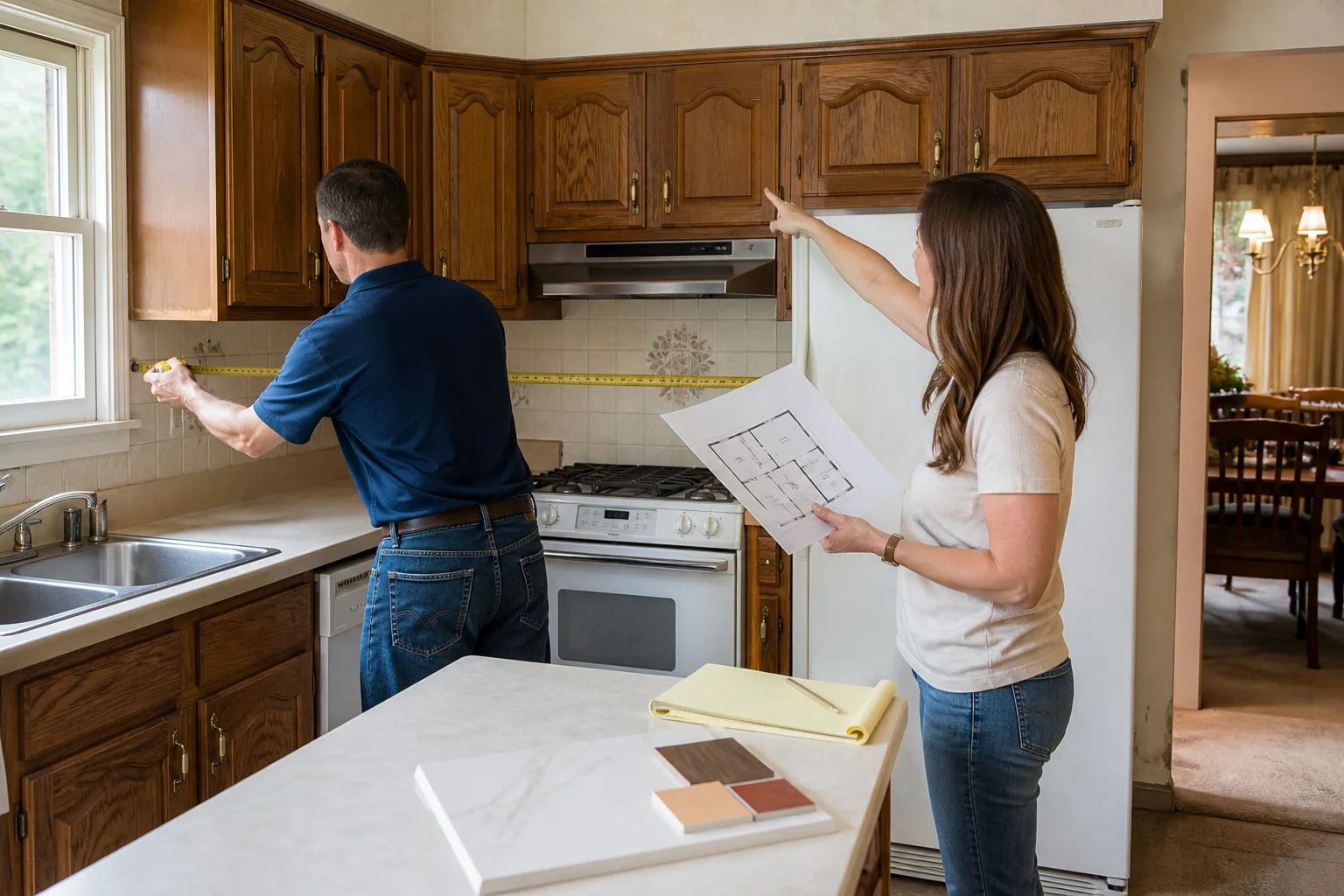
- Write down your scope. Not “renovate the kitchen,” but the layout, the appliances you want, whether any walls move, and whether you’re keeping the existing footprint.
- Gather any prior permits and drawings. If the house has a history, share it. A contractor who understands what’s already been done prices more accurately.
- Set a realistic budget range and share it. This feels counterintuitive, but a contractor can tell you honestly whether your target is achievable and where the money will go, rather than guessing.
- Ask each bidder to price the same scope. Apples-to-apples comparison is the only way to see who is actually cheaper versus who left the most out.
- Request a written proposal with inclusions, allowances and exclusions. Then read it against the section above.
Ready to start? Our team offers free written estimates across Oakland. Visit our Penhallow Remodeling Oakland home page or call (888) 403-1237 to schedule yours.
Common Mistakes to Avoid
- Accepting a verbal ballpark. The 2026 version of the $38,000 mistake is still happening. A number you can’t hold anyone to is not a price, it’s a conversation.
- Choosing the low bid without comparing scope. The cheapest proposal is almost always the one that included the least, and the difference shows up on demo day.
- Not budgeting for hidden conditions. In an older Oakland home, assume 10 to 15 percent of your budget is contingency. It’s not pessimism, it’s preparation.
- Ignoring the permit timeline in your schedule. Homeowners plan around the build and forget plan check. Budget the carrying cost.
- Skipping the lead and asbestos test on a pre-1978 home. It’s a few hundred dollars up front and can save thousands in abatement surprises later.
- Letting an allowance stay vague. “Tile allowance TBD” is an open tab. Pin the allowance to the selection level before you sign.
- Hiring without a written guarantee. If the contractor won’t put the 365-Day Done Right promise in writing, you’re the warranty.
See the difference
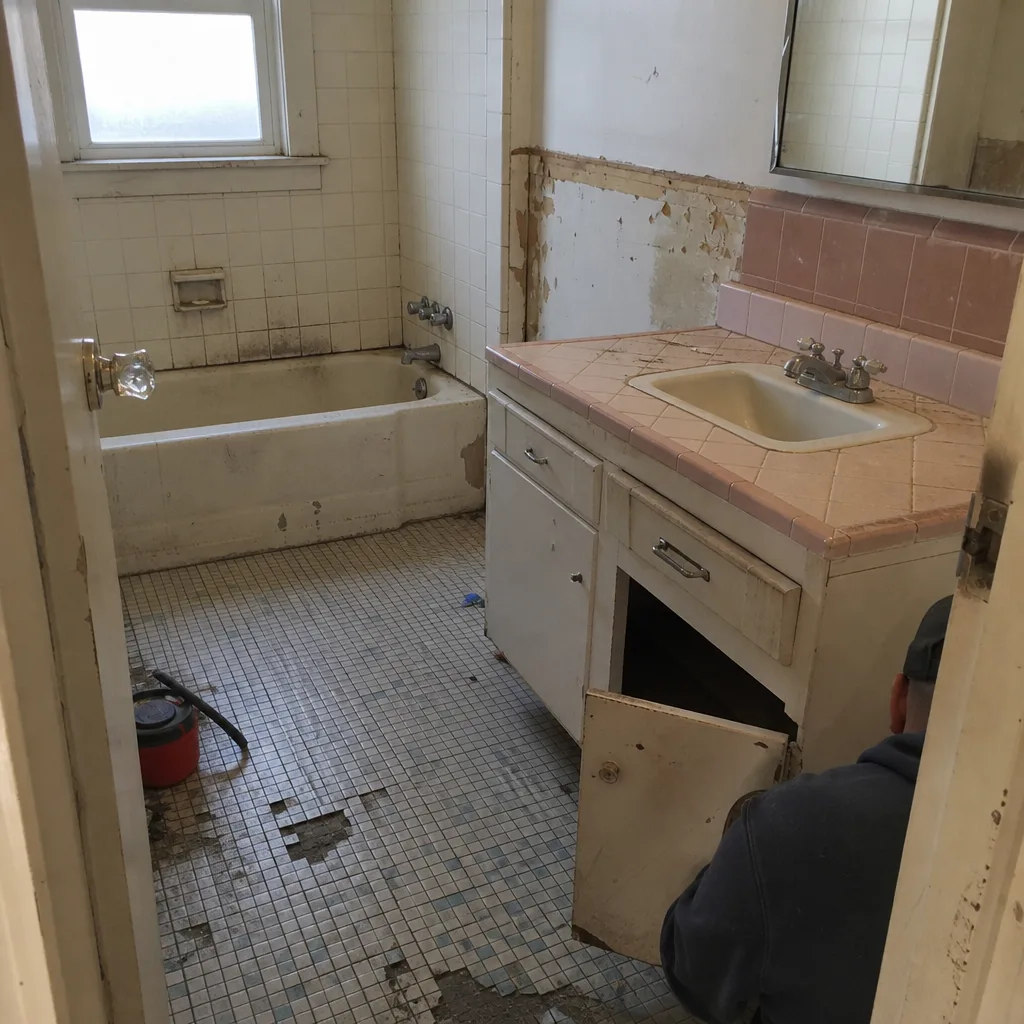 Before
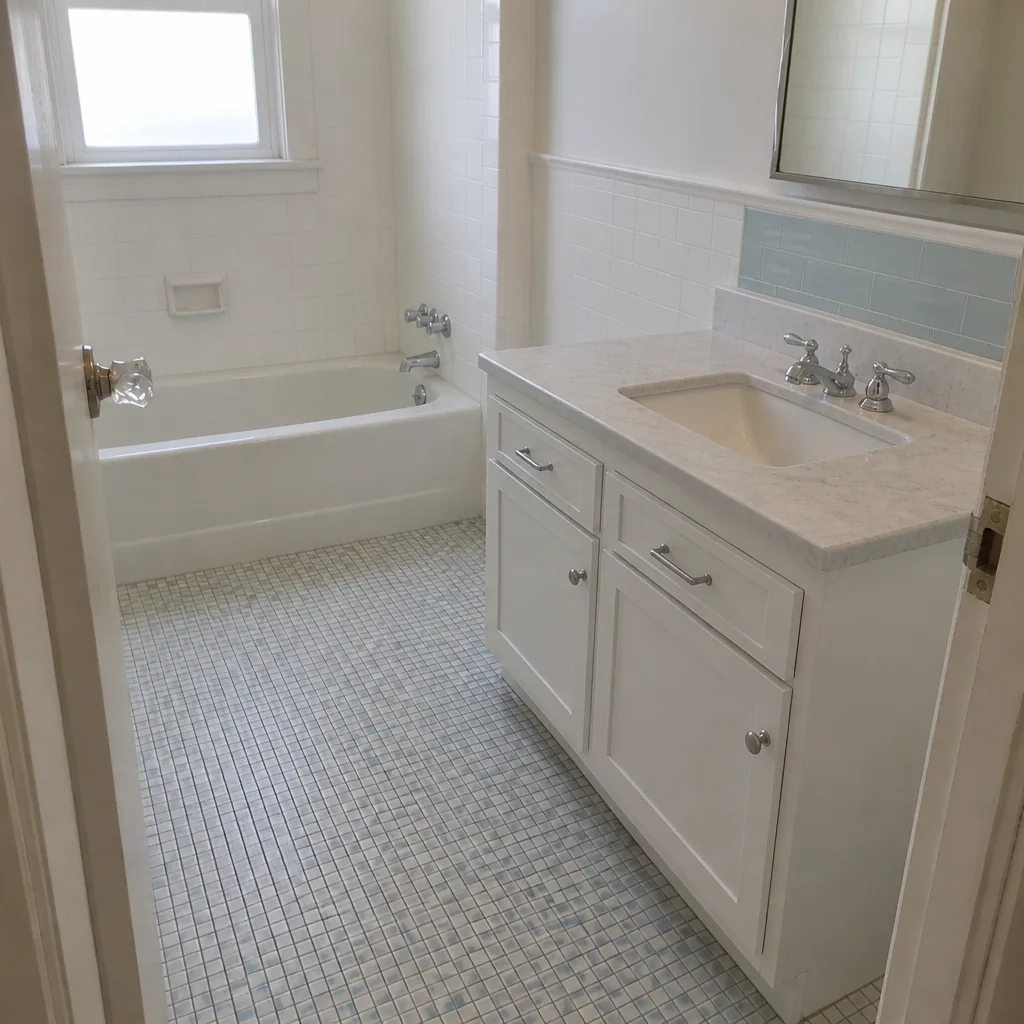 After
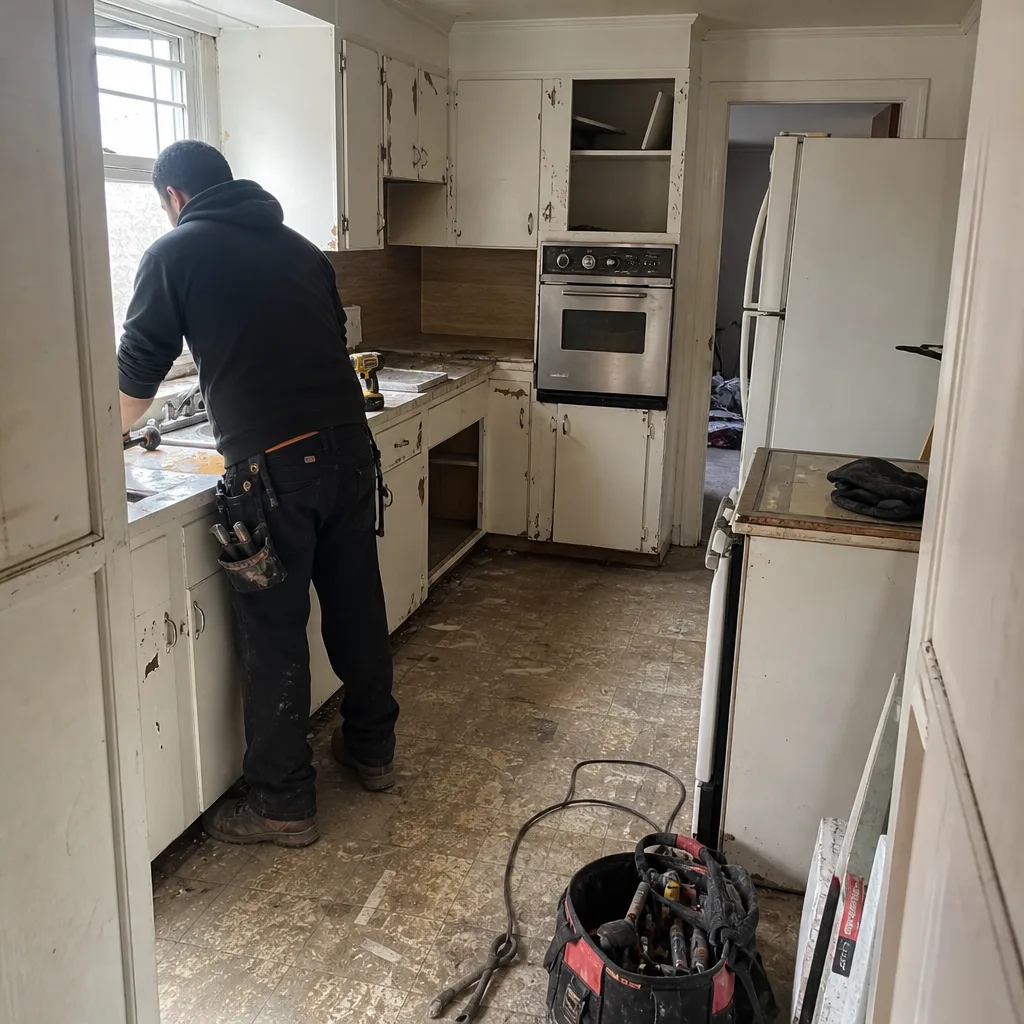 Before
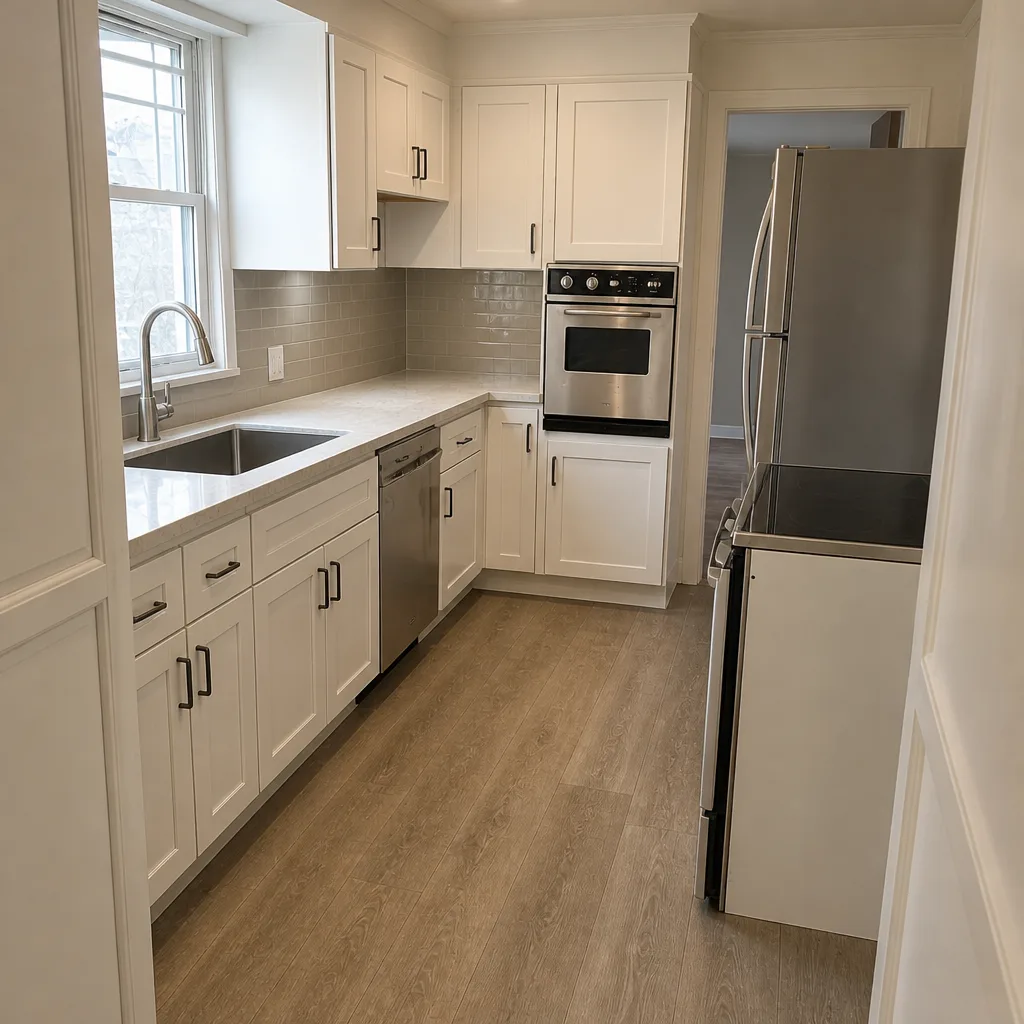 After
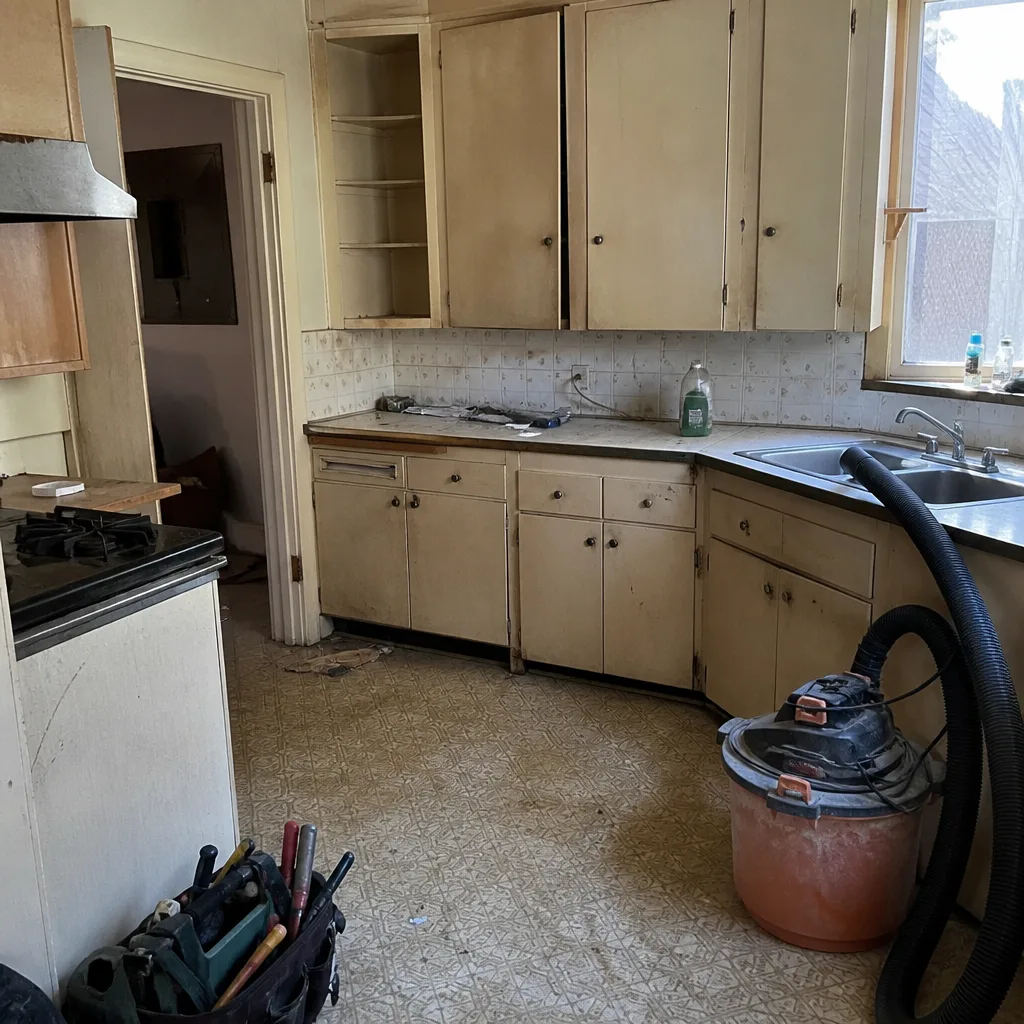 Before
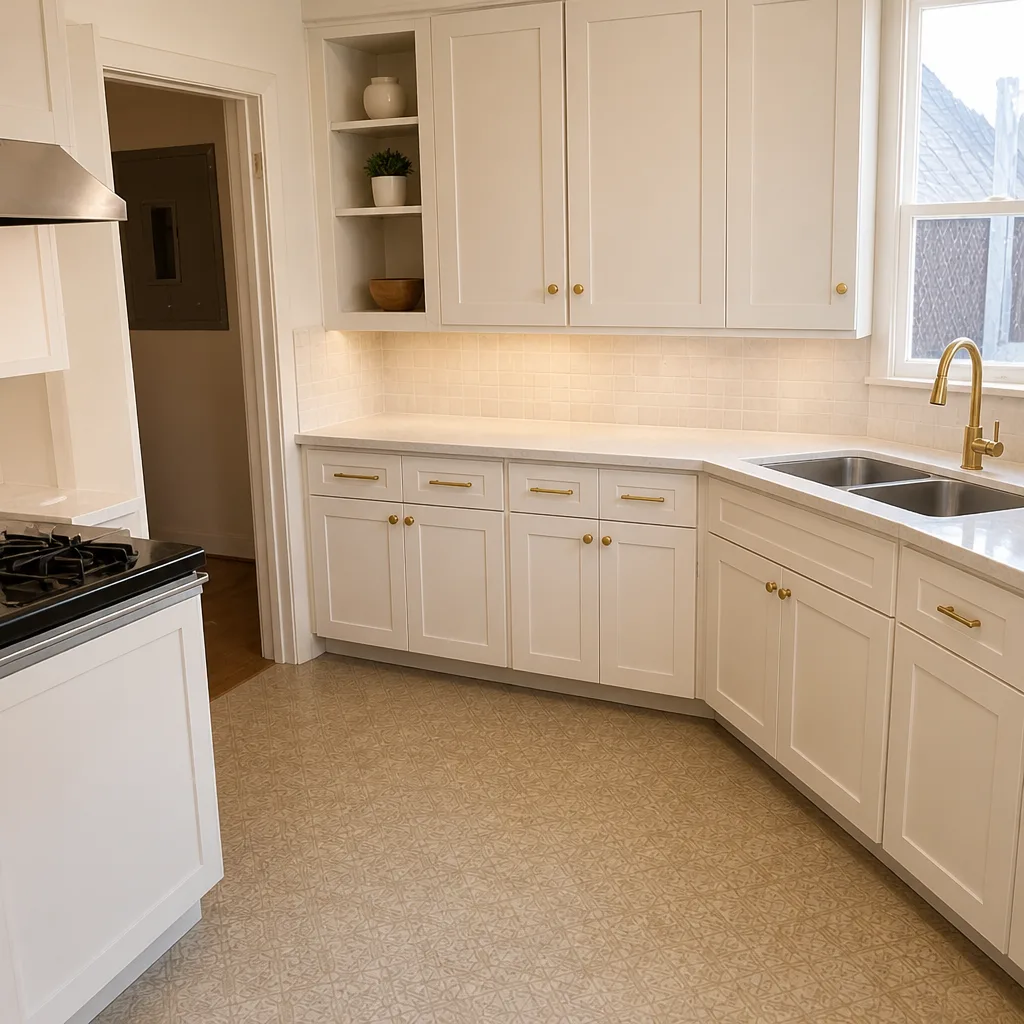 After
When to Call a Professional
Some projects are genuinely DIY-able, and painting, fixture swaps in like-for-like locations, and hardware upgrades are fine on your own. But there are clear lines you shouldn’t cross. Anything structural should come to a licensed professional immediately, including a load-bearing wall removal, a foundation question, or a sagging header. Any project requiring a permit should be handled by a contractor who pulls it. Gas line work, electrical panel upgrades, and asbestos abatement require licensed trades, and no amount of online instruction makes those safe to attempt. And if your project has reached a size you’re anxious about, that anxiety is the signal. Penhallow Remodeling Oakland offers free estimates in Oakland and you can call (888) 403-1237 to schedule one.
Frequently Asked Questions

A kitchen remodel in Oakland typically costs $75,000 to $175,000 in 2026, depending on whether the layout changes and whether you select semi-custom or custom cabinetry. Layout changes, moving plumbing, and custom cabinetry push you toward the top of the range. Call (888) 403-1237 for a written quote, and estimates are free.
Most of the cost is in the parts you never see: waterproofing, cement board substrate, tile setting, plumbing rough-in, and permit and inspection time. In an older Oakland home, we also frequently find legacy plumbing or a failed shower pan that adds a repair line. It’s rarely the fixtures. Call (888) 403-1237 for a line-item estimate.
A written fixed price should not change unless hidden conditions are found during demo, and any legitimate contractor will list those possibilities as written exclusions in the original proposal. The standard we hold to is that the number on day one matches the number on the invoice. Any change to a fixed scope is presented in writing and agreed before work proceeds.
Yes. Permits are part of the job, not an add-on. We pull permits and stand behind the work through final inspection. Pulling permits is standard on every project that requires one, and any contractor who offers to skip them is handing you a liability.
A hall bathroom typically takes 3 to 5 weeks of construction, a full kitchen 6 to 10 weeks, and a layout-changing project longer. Add plan check time for permitting, which can add weeks depending on the scope. A written schedule is part of a proper proposal. Call (888) 403-1237 and we’ll walk you through a realistic timeline for your project.
Yes. We provide free written estimates in Oakland with real line-item pricing for included work, allowances and exclusions. Call (888) 403-1237 and a real person will answer, any hour of the day or night, and schedule your free estimate.
The Bottom Line
Oakland costs more than the California average for reasons that are mostly structural, and the homeowners who do well in this market are the ones who understand the difference between a fixed cost and a negotiable one, and between a fixed price and an allowance. Get your scope in writing before you collect bids. Compare each proposal against the same scope. Budget the permit timeline and a contingency for hidden conditions. And remember that a written price and a written guarantee aren’t a luxury, they’re the floor. That’s what The Kingswell Way means when it says: say the price before the work, show up in the window we gave, leave the place cleaner than we found it. Call Penhallow Remodeling at (888) 403-1237 for your free, written estimate.
Written by the team at Penhallow Remodeling Oakland.